
Related videos:
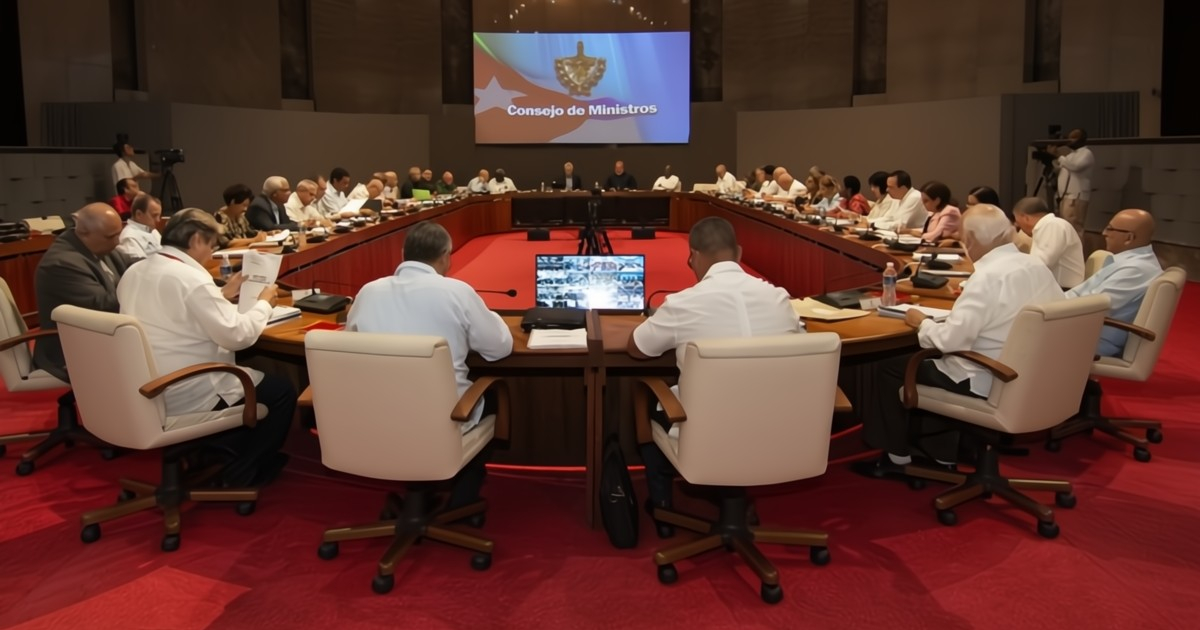
The Council of Ministers approved a new set of regulations that authorizes, mandates, and expands wholesale sales by Mipymes and non-agricultural cooperatives, as part of efforts to "revitalize the economy" and reorganize relations between state and private actors.
During the monthly meeting of the governing body, the Minister of Domestic Trade, Betsy Díaz Velázquez, presented a report on the regulation of marketing in the non-state sector, which received approval and entails significant changes in the operation of private businesses.
Broader wholesale relationships
Micro, small, and medium-sized enterprises (Mipymes) and CNA that operate as wholesale distributors will, from now on, be able to establish contracts with:
- state-owned companies,
- budgeted units,
- religious institutions,
- international organizations and diplomats,
- foreign companies,
- private economic actors,
- and users of the Mariel Special Development Zone.
- Private producers will be able to sell wholesale and retail
The Government confirmed that Micro, Small, and Medium Enterprises (Mipymes), cooperatives, and self-employed workers with production in their social objectives can sell their products both wholesale and retail, as well as raw materials and products related to their main activity.
Centralized approval for new wholesalers
The creation of new businesses focused on wholesale trade must be managed through the economic actors platform and will be contingent upon their relationship with the territorial development strategy, as well as the condition that wholesale trade is their primary activity.
Official objective: more production and lower prices
The minister stated that the new regulations simplify and organize trade, promote clearer relationships between state and private actors, and are expected to help increase the supply of goods and services while reducing prices for the public.
A process consulted nationwide
According to Mercedes López Acea, president of the National Institute of Non-State Economic Actors, the regulation incorporates concerns and suggestions from representatives of Mipymes and municipal governments, aiming to prevent disruptions in supply and ensure stability in the provision of products and raw materials.
Prime Minister Manuel Marrero stated that the measure "is not prohibitive" and will help boost retail trade, which is based on wholesale marketing.
The new regulation arrives in a context where, over the past year, the Government has implemented strong restrictions on private wholesale trade, from the mass cancellation of licenses to severe limits for producers and self-employed workers. Although the official discourse presents this decision as a step towards the liberalization and reordering of the market, the question remains whether this is truly an opening or merely a reconfiguration of state control over SMEs. With a system of centralized authorizations and a recent history of closures and prohibitions, it remains to be seen whether these measures will allow for greater leeway for private actors or if they will continue to operate within a narrow and conditioned framework.
Filed under: