
Related videos:
The detection of two cases of African swine fever in wild boars in the autonomous community of Catalonia forced the Spanish government to immediately suspend exports of pork and pork products to dozens of countries, including Cuba, which relies on external supplies amid the collapse of its production.
The situation led to Spain losing its status as a disease-free country before the World Organisation for Animal Health, which triggered an automatic blockage of approximately 120 health export certificates to nearly 40 destinations, highlighted the newspaper La Vanguardia.
Among the affected nations is Cuba, which has turned to the massive importation of pork in recent years, following the collapse of its domestic production.
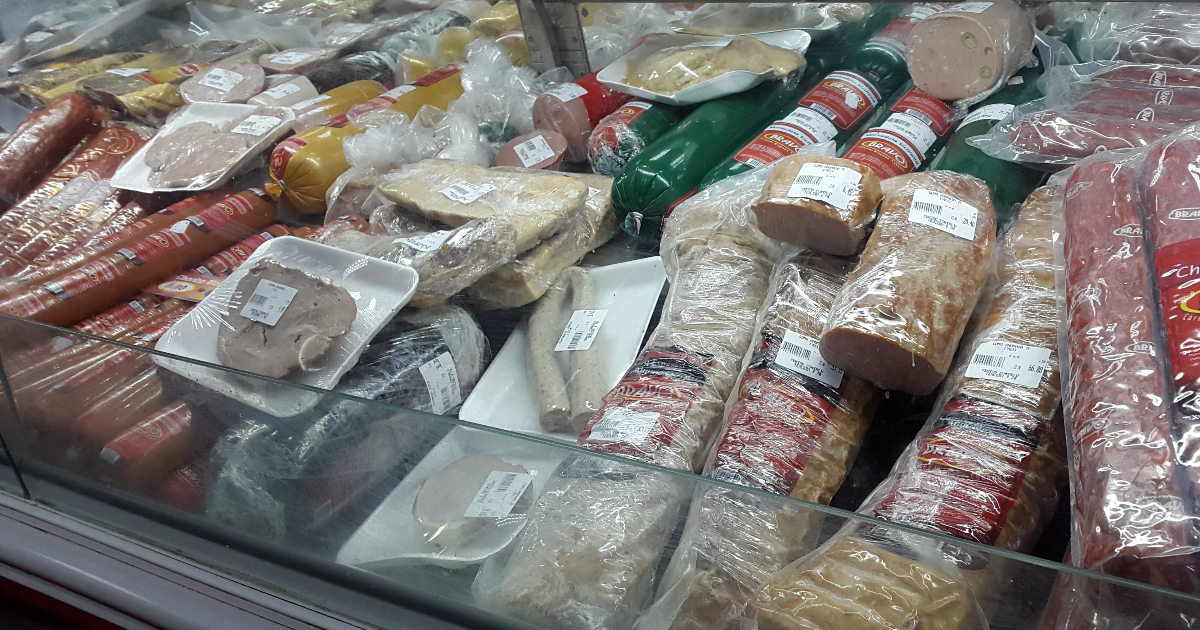
The Spanish government explained that the suspension affects fresh, chilled or frozen meat, sausages, hams, offal, fat, animal feed, genetic material, breeding animals, intestines, and other pig derivatives.
The measure will remain in effect until the health situation is redefined and agreements with each country are adjusted.
In markets that accept the so-called "regionalization," such as China or South Korea, the ban only applies to products coming from the province of Barcelona, where the cases were detected.
However, most countries imposed total bans.
China, the main buyer of Spanish pork, will keep its imports open with the aforementioned territorial exception.
Spain exported 540,000 tons of meat there in 2024, with a value exceeding 1.1 billion euros, including cuts with low demand in Europe such as bones, offal, and by-products, which help maintain margins and prices in the sector.
The impact on Cuba is particularly significant. Pork has been one of the most imported Spanish products by the island, both for stores in foreign currency and for tourism.
It also occurs in the context of a dramatic decline in domestic production of this product which reached nearly 90% between 2018 and 2022.
Reports from ICEX Spain Export and Investments had already warned about payment delays and defaults by the Cuban government, although new private entities have proven to be more agile as long as transactions are made with upfront payments from abroad.
Despite the rising imports from Spain in previous years, the average Cuban consumer barely noticed any improvement and continued to face prohibitive prices in the informal market, with state-controlled distribution virtually nonexistent.
The temporary export ban adds uncertainty to a market where pork is a traditional part of year-end celebrations and where the government has acknowledged that the cost of animal feed prevents any price reductions.
The Spanish measure thus reinforces the vulnerability of a country that increasingly relies on external supplies and is facing another season without the ability to guarantee a basic product in its diet and festive culture.
For most Cuban families, buying a few pounds of pork has become an unattainable luxury, amid chronic shortages of essential goods, inflation, and rising food insecurity.
A recent economic analysis also showed that the maximum price for a pound of pork shoulder in Havana rose from 580 to 980 pesos in just over a year, a 68.9% increase that has left a large part of the population without access to this traditional source of protein.
As a creative alternative, some content creators have proposed more affordable substitutes. One such case is a Cuban influencer who showcased “eggplant steak” as a vegan and budget-friendly option for those who cannot afford pork.
Filed under: