
Related videos:
The official acknowledgment that 21 children and adolescents have died in Cuba from dengue and chikungunya has raised international alarm and made its way to the pages of the Canadian press this Monday, one of the main countries sending tourists to the Island.
According to TVA Nouvelles, the Cuban Deputy Minister of Health, Carilda Peña, confirmed the day before that 33 people have died from arboviral diseases, including 14 minors who succumbed to chikungunya and seven (7) to dengue.
The Quebec media emphasized that to date, the Ministry of Public Health (MINSAP) had not acknowledged any deaths due to chikungunya, despite reports from family members and doctors who had been warning for weeks about the rise in severe cases and the overwhelming of hospitals.
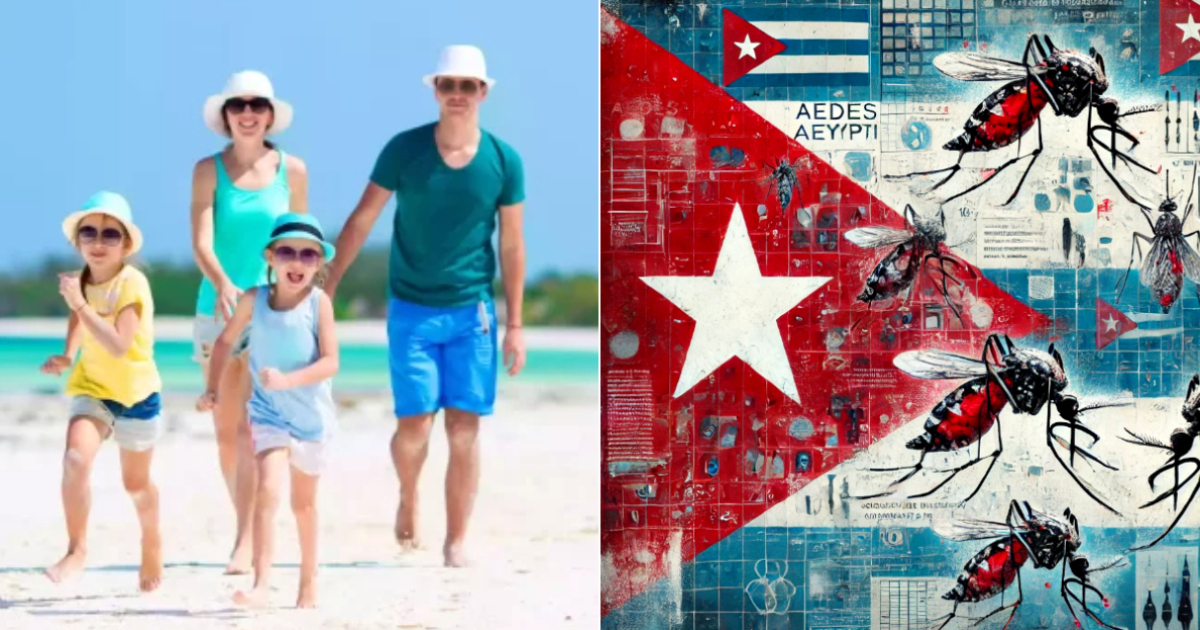
The regime's belated acknowledgment coincides with the update of travel advisories from Global Affairs Canada, published on November 18, alerting of the danger of traveling to the Island due to the epidemic outbreak and the precarious state of Cuba's healthcare system.
According to the Canadian government entity, travelers and tourists visiting Cuba should be aware that there is “a higher number of chikungunya cases than expected,” and Cuba is included among the countries with active outbreaks alongside Bangladesh, Kenya, and Sri Lanka.
The Canadian advisory emphasizes that healthcare on the island is limited, with hospitals in poor condition, a shortage of medications, and hygiene deficiencies. “The international clinics located in tourist areas provide better medical services than public centers, but they are reserved for foreigners,” the document notes.
The alert also highlights the structural problems facing the country: shortages of food, fuel, and medicine, power outages, and a decline in emergency services. The response times for ambulances, it warns, "can be slow, especially outside tourist areas."
International concern adds to the outrage within the island, where citizens and experts denounce the concealment of real figures and the lack of transparency from MINSAP.
The confirmed deaths of minors now validate the medical warnings and the reports shared on social media by Cubans who have lost family and loved ones, and who have been reporting that there are "many children in critical condition."
While Canada issues warnings and international media covers the crisis, the regime of Miguel Díaz-Canel continues to hold televised meetings with “experts and scientists” without announcing concrete measures, budgets, or acknowledging its direct responsibility.
Cuba, which for decades marketed its health model to the world as a revolutionary symbol, now faces a healthcare collapse visible from the outside: an epidemic that is killing its children, a system devoid of resources, and a government that continues to prioritize propaganda over truth.
Filed under: