
Related videos:
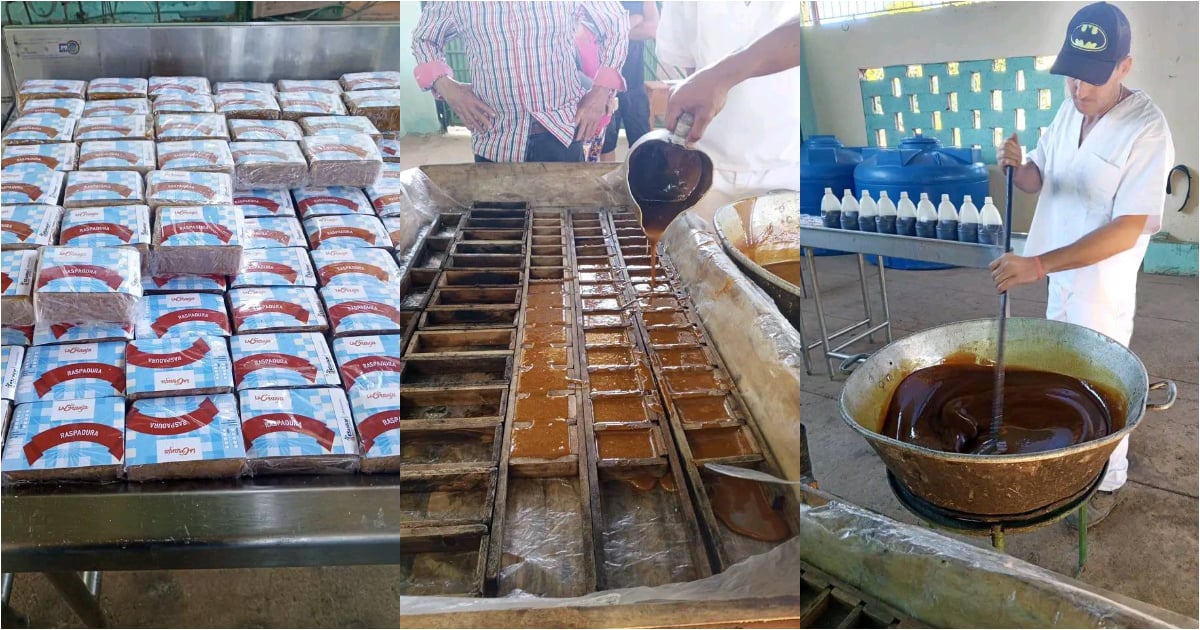
The province of Matanzas is making progress in opening a new factory for traditional sweets, despite the severe sugar shortage that is affecting the population and even impacting the supply of basic goods.
The Esazúcar Matanzas Base Business Unit is finalizing the details of a new production center located in the René Fraga service area, with an installed capacity of over one ton per day of traditional sweets.
The facility will produce sweet preserves, sugar cane candy, and syrup, assortments that depend on processed sugars, "emblematic products of the Cuban confectionery tradition that respond to the needs of the population and contribute to the substitution of imports," reported the provincial newspaper Girón through its profile on Facebook.
Jorge Cabrera, director of the UEB, assured that the investment represents "a technological leap for sugar-derived production" in the province.
The project is part of the local policy to diversify production chains, create jobs, and supply the retail network with traditional products.
The initiative, however, contrasts with the reality in the markets and the concerns of many residents, who highlight the contradiction of promoting a candy industry when the province is facing a severe shortage of sugar.
Comments on social media express skepticism about the availability of the input, the sustainability of the venture, health regulations, and the final destination of the production, in a context marked by the decline of the harvest and the precariousness of the sugar sector.
The announcement reignites concerns about the coherence of the economic strategy, as new derived capacities are being inaugurated, while the population continues to grapple with limited -and sometimes merely symbolic- access to rationed sugar and inflated prices in the informal market.
During the previous harvest, the mill Jesús Sablón Moreno, in the Matanzas municipality of Calimete, faced challenges in meeting its target of 16,700 tons of sugar.
Sugar production in Cuba fell below 150,000 tons in the 2024-2025 harvest, the lowest level in over a century and less than half of what was achieved in the previous campaign.
The figure was far from the state target of 265,000 tons, confirming the ongoing decline of an industry that, for generations, has been at the heart of the country's economy.
Such a debacle is attributable, among multiple factors, to the shortage of raw materials (sugarcane), recurring power outages, fuel limitations, and the advanced deterioration of the infrastructure.
In December 2023, the government acknowledged that it is “shameful” for the country, traditionally one of the main sugar producers in Latin America, to be forced to import this product.
Filed under: