The Cuban regime has raised the official death toll from arbovirosis to 44, with 28 attributed to chikungunya and 16 to dengue, as reported by the Deputy Minister of Public Health, Carilda Peña García, in a televised appearance regarding the country's epidemiological situation.
During her speech on the Buenos Días Magazine, the official admitted that among the deceased there are several minors, and that the anatomical and virological analyses confirmed the cause of death after weeks of delays in the reports.
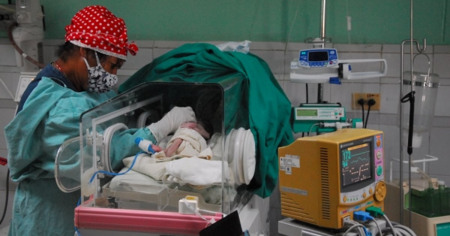
"Seven deaths are attributed to chikungunya, six of them minors, and four to dengue, including two children among the victims," detailed the deputy minister.
The last time the Cuban regime acknowledged deaths from the current epidemic of dengue and chikungunya was on December 1st, when the MINSAP reported the deaths of 33 people due to mosquito-borne diseases, amid a critical epidemiological situation and a lack of resources to tackle the health crisis.
Earlier, in October, MINSAP had reported for the first time this year three deaths from dengue, following weeks of institutional silence and public denials in response to reports of an increase in severe cases, particularly in the province of Matanzas.
Peña noted on Monday that the country has reported over 42,000 cases of arboviral disease, of which 1,460 have been confirmed by PCR. However, he acknowledged that the figures do not reflect the true scale of the outbreak because many people do not seek health services or receive treatment late.
Despite the Ministry of Health reporting a reduction in the weekly incidence of cases, the health situation remains critical: 14 provinces and 49 municipalities continue to have active transmission, with an Aedes aegypti mosquito infestation rate exceeding 0.4%, a figure that experts consider to be of high risk.
The deputy minister urged the population not to become complacent and to reinforce family self-protection, in addition to reporting irregularities in vector control campaigns, such as incomplete fumigations, closed houses, or lack of larvicide.
However, the official intervention avoided any mention of the lack of insecticides, fuel, or technical personnel, issues acknowledged by healthcare workers in various provinces.
So far during the epidemic, Guantánamo, Las Tunas, Santiago de Cuba, Villa Clara, and Pinar del Río are among the most affected territories. Matanzas, where a recent outbreak was closed in the municipality of Limonar, is the only province reporting a slight improvement.
The acknowledgment of these deaths comes after weeks in which the Government attempted to downplay the severity of the chikungunya and dengue outbreaks, limiting official information and blaming the population for the spread of the mosquito.
Meanwhile, hospitals and clinics are facing a shortage of medications, diagnostic tests, and basic resources, according to reports from patients and medical staff.
The health crisis caused by arboviruses once again reflects the collapse of the Cuban healthcare system, unable to respond to an epidemic that affects thousands of families across the country and, rather than being under control, continues to claim lives.
Filed under: