
Related videos:
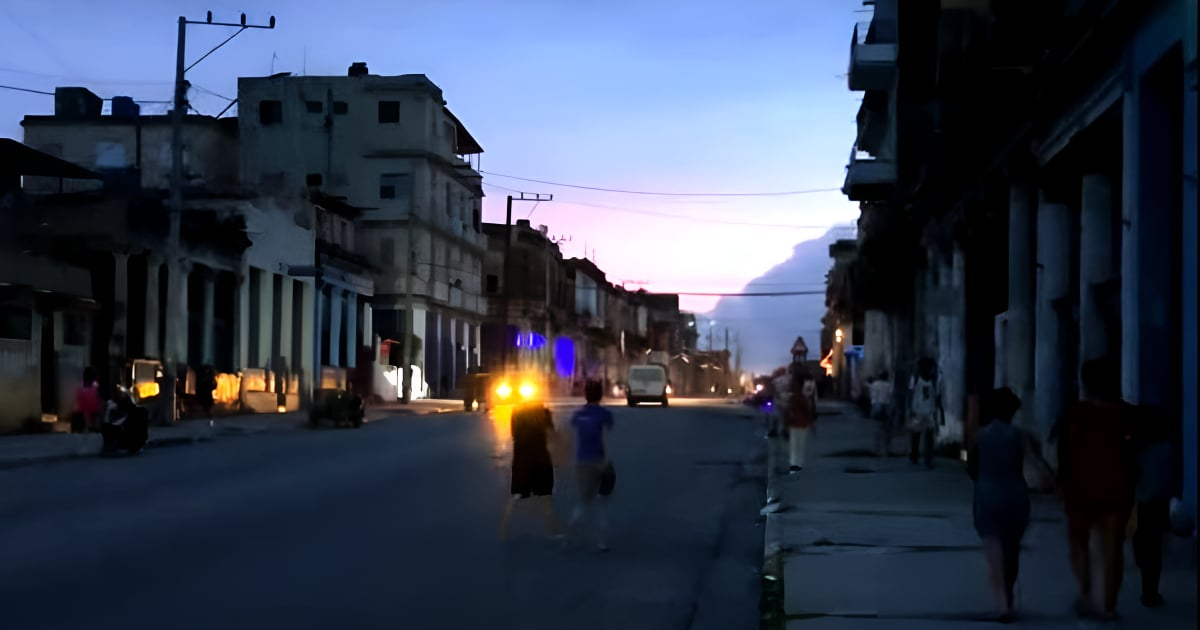
Hours after several areas in the capital of Cuba witnessed spontaneous protests due to prolonged blackouts, the Electric Company of Havana confirmed on Tuesday that all six electrical blocks in the city are simultaneously affected, worsening the energy crisis that has been impacting the population for months.
According to the latest update published on Telegram by the state entity, there is currently a deficit of 277 MW, distributed across numerous circuits in all the electrical blocks of the city:
Block 2 (Emergency): 5.3 affected hours
Block 1 (Emergency): 4.3 hours
Block 4 (Emergency): 2.3 hours
Block 5 (Emergency): 1.5 hours
Block 6 (Emergency): 1.1 hours
Block 3 (Emergency) (duration unspecified)
The Electric Company did not provide detailed technical explanations, limiting itself to listing the issues, which contribute to an increasingly critical situation for the residents of Havana.
A capital in tension after the blackout and forced disconnection of the internet
The official update comes hours after the regime cut off mobile internet service in various neighborhoods of the capital in an attempt to neutralize the spread of videos and citizen calls during the nighttime protests.
Neighbors in municipalities such as Marianao, La Lisa, and Habana del Este reported power outages lasting over 10 continuous hours, which led to pot-banging protests, shouting, street blockades, and a heavy deployment of police forces.
The information blackout, along with the presence of plainclothes agents and police patrols, recalled episodes of digital repression already employed by the government in July 2021 and in other recent protests.
Blackouts in "emergency mode" and a crisis with no clear horizon
The repeated reference to "emergency blocks" indicates that the capital continues to operate under a critical rationing scheme, where demand far exceeds the available generation capacity.
Havana, which has historically been prioritized over the rest of the country, is now facing simultaneous failures across all its sectors, a situation that is unusual even in years of severe energy crises.
While the authorities have not provided a recovery timeline or an explanation regarding the real state of the system, the population endures prolonged blackouts, interrupted workdays, and concerns over potential new protests.
Everything occurs in a context of increasing social weariness, an extended summer of extreme heat, and an energy infrastructure that fails to meet the basic demands of the capital of the country.
No light at the end of the tunnel
Cuba woke up this Tuesday
Filed under: