
Related videos:
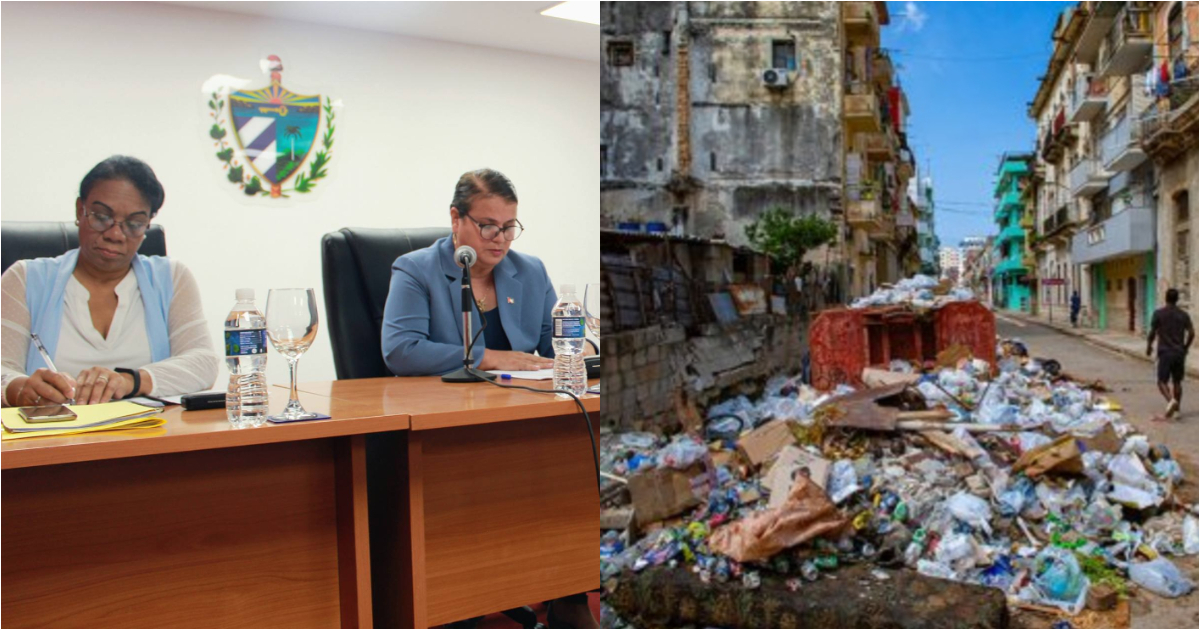
The governor of Havana, Yanet Hernández Pérez, presented the report on her 2025 management on Friday, highlighting the "connection with the population," while residents responded with a deluge of criticisms demanding verifiable results and explanations regarding the collapse of basic services.
The official stated that her main priority in 2025 was “direct exchanges with the population, delegates, and presidents of Popular Councils,” as well as addressing the pending issues from the previous accountability, reported the official newspaper Tribuna de La Habana.
He mentioned actions to combat crime, corruption, drug consumption, social misconduct, and the strategy to stabilize urban solid waste collection.
Hernández also stated that work is underway to implement the Government's program to "correct distortions and revitalize the economy," supported by the contributions of 294 exporting entities from the capital.
He also pointed to national food production as a priority task, along with the restructuring of state enterprises and other economic actors.
The governor acknowledged that during the period, more than 236,700 concerns were received, primarily focused on issues related to water, electricity, housing, and the deterioration of living conditions.
During the session, the vice prime minister Inés María Chapman called for a greater presence of leaders and officials on the streets.
We must walk the ground, the Government in the streets, addressing the issues, seeking solutions, he insisted.
However, the lack of concrete data in the report opened the door to a wave of citizen discontent on the Facebook profile of the capital government.
In the comments, users reported the lack of verifiable results, the worsening of garbage issues, inflation, crime, the deterioration of streets, the increase in drug use, and the complete neglect of peripheral areas.
Neighbors described the report as "fantastical" and mocked the authorities for presenting a capital "that doesn't exist."
Others questioned why the extent of abandonment, unsanitary conditions, sewage issues, the ineffectiveness of banking services, or the critical state of urban infrastructure is not explained.
"This looks like anything but a capital," wrote one user. "Havana is bleeding and nothing is being done to heal it," added another.
Cubans perceive an extreme state of deterioration in Havana, describing it as a city engulfed in trash, collapses, and neglect.
The hotel construction policy has drawn criticism from the population, which observes how luxurious tourist infrastructures are being built, while a significant number of homes remain in precarious conditions.
On the occasion of the 506th anniversary of Havana in November, countless comments on social media reflected deep discontent with the government, which is accused of neglect and inaction in the face of the city's structural problems.
State inefficiency and the lack of a sustainable plan have turned waste collection into a chronic problem, exacerbated by fuel shortages, vehicle breakdowns, a lack of personnel, and the outbreaks of dengue and chikungunya, among other factors.
The Cuban government has acknowledged that it cannot ensure the cleanliness of Havana nor provide a decent salary for the street cleaners.
A few days ago, the authorities admitted that they do not even know how much garbage accumulates in Havana, highlighting a fundamental deficiency that affects any cleaning and urban infrastructure strategy.
Prolonged blackouts are having a severe impact on the daily lives of the people in Havana, affecting rest, food and medication preservation, access to water, and communications. This situation has created a growing atmosphere of uncertainty and social discontent.
Filed under: