
Related videos:
The Argentine journalist Nacho Montes de Oca, specializing in defense and international conflicts, published a lengthy and alarming thread on X where he dissected the logistical, financial, and moral collapse that Russia is facing in sustaining its imperialist war in Ukraine.
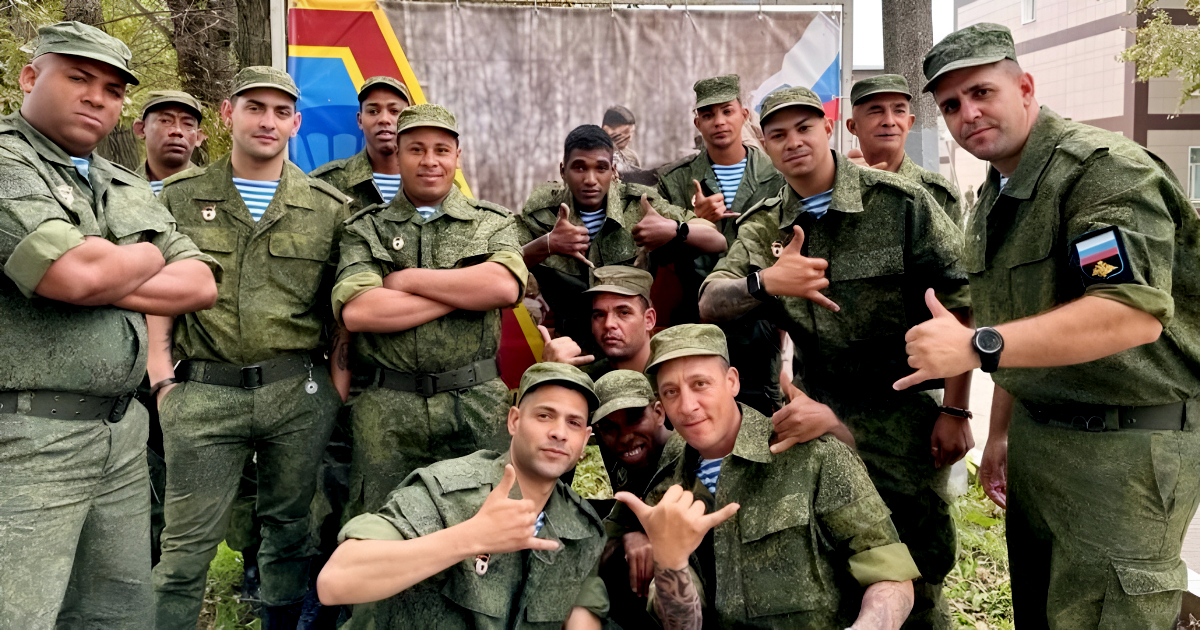
Among the most serious points, it was highlighted that Vladimir Putin is no longer paying many of his soldiers, including foreign mercenaries such as Cubans, who are falling victim to a cycle of neglect, instability, and silence.
Thousands of Cubans have been recruited since 2023 by Russian intermediaries —some with the tacit knowledge of Cuban authorities— to serve in the invasion. The initial promises of salaries in rubles, temporary residence, and healthcare benefits have resulted in a situation where payments are delayed for months or simply do not arrive.
Montes de Oca warned that, following the cuts and the administrative chaos prevailing in Russia, those with minor injuries no longer receive any compensation, and payment is only issued to those who are left severely disabled.
A decree from Putin, signed in November 2024, limited compensation for injuries: of the three million rubles promised (around $39,000), many soldiers only receive between $1,300 and $13,000, if they receive anything at all.
Cubans missing, injured, and without support
The journalist also noted that an increasing number of foreign mercenaries are disappearing without a trace, as Russia avoids retrieving corpses or registering them officially.
The reason is cynical but effective: a missing person does not count as a military casualty and, therefore, does not compel the State to pay compensation nor generate protests.
“A Cuban who dies in combat may be listed as missing, and since he was recruited taking advantage of his poverty, it is unlikely that his family has the resources to initiate legal action in Russia,” warned Montes de Oca.
This places Cubans—alongside other poor recruits from countries like Nepal, Mali, or the Central African Republic—into the disposable category. They are absent from official statistics or Russian patriotic tributes; and their families, often lacking access to the internet or legal representation, have no means to claim what is owed to them.
Russia is overwhelmed: Hospitals are collapsing and injured patients are rioting
The plight of the mercenaries is not an exception, but rather part of a pattern that affects even Russian soldiers.
Montes de Oca documented that hospitals like Burdenko, the most important for veterans, collapsed in 2023, and that patients are now being referred to the poorer regions of the country.
Even wounded soldiers are being sent back to the front due to a lack of beds and treatment. Others, as happened in June 2025 in Novosibirsk, staged riots over the lack of medical care and delays in payments.
The figures are alarming: around 140,000 soldiers suffer from post-traumatic stress disorder, and up to 200,000 have permanent injuries, representing an economic and social burden that the Kremlin is trying to conceal, even at the cost of hiding the dead.
The mirage of easy money
The case of the Cubans reveals an even harsher tragedy: many were recruited out of extreme necessity.
With an average salary in Cuba that hovers around 13 dollars a month, the prospect of earning 2,000 or 3,000 dollars a month in Russia seemed like an escape. But reality caught them in a brutal war, without training, without guarantees, and without rights.
For Putin, the use of Cuban mercenaries is practical: they are cheap, expendable, and do not generate internal pressure. For Cuba, their deaths are an uncomfortable statistic that goes unmentioned.
And for their families, the state's silence is as painful as the void left by their disappearance.
Filed under: