
Related videos:
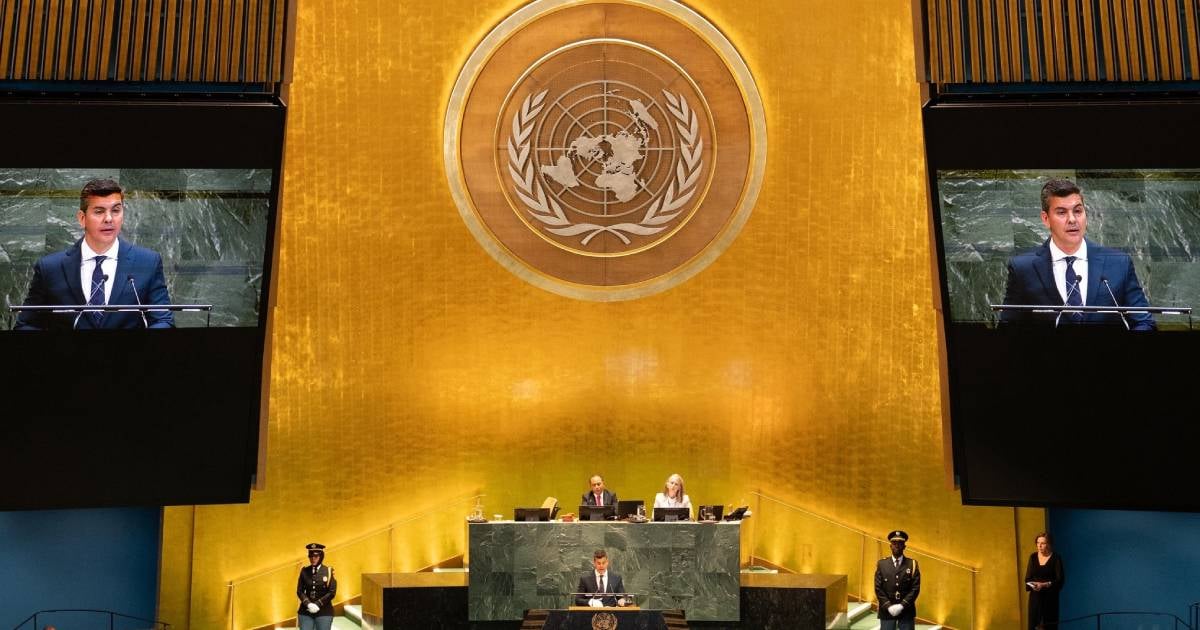
Paraguay's vote against the resolution calling for an end to the U.S. embargo on Cuba marked a historic breaking point in the country's foreign policy and in the traditional Latin American majority that used to support the regime in Havana.
For international analyst Mario Paz Castaing, it is an act of "democratic coherence" and a defense of the values of freedom and human rights against the oldest dictatorship on the continent.
In statements to the newspaper El Nacional from Asunción, Castaing emphasized that the Paraguayan vote "breaks a diplomatic tradition of decades" and expresses "a position consistent with the defense of democracy and institutions." In his view, this is not merely an ideological decision, but rather a principled gesture:
"It is a historic stance of Paraguay against the Castro dictatorship, the oldest dictatorship in the Americas… I find it consistent because it is also a matter of respecting institutions and democracy."
A game-changing turn
The vote that took place on October 29 in the UN General Assembly, 165 votes in favor, 7 against, and 12 abstentions, highlighted the political isolation of the Cuban regime, which recorded its worst result in over a decade.
Alongside the United States, Israel, Hungary, North Macedonia, Ukraine, and Argentina, Paraguay joined the group of countries that voted against the resolution promoted by Havana.
According to Castaing, Asunción's decision does not signify a diplomatic break but rather a reaffirmation of principles
"It is advisable to maintain relations, even if they are consular, because it is a way to be alongside the Cuban people and witness their situation," he explained to El Nacional.
The Paraguayan gesture occurs at a time when several countries in the region, including Argentina, Ecuador, and Costa Rica, have distanced themselves from Castroism and have chosen more critical positions towards authoritarian regimes.
Analysts consulted by CiberCuba indicate that the vote in Asunción symbolizes a “new stage of democratic maturity in Latin America”, where ideological solidarity gives way to the defense of fundamental freedoms.
Cuba, increasingly isolated
The Paraguayan decision comes in a context where Cuba is losing international support at an unprecedented rate. This year, the resolution presented by Havana received 22 fewer votes than in 2024, reflecting a decline in global backing for its narrative of “genocidal blockade.”
Diplomatic sources warn that the collapse of support is due to the moral and political deterioration of the regime, with an increase in internal repression, massive exodus, corruption, and reports of Cubans participating as mercenaries in the war in Ukraine undermining its credibility even among its former allies.
In that context, Paraguay's vote stands as a symbol of democratic dignity in the face of a regime that has spent over six decades denying freedoms. As Mario Paz Castaing summarized:
"It is important to stand by the peoples and freedom. Classic and constitutional democracy remains our model, and we must uphold it coherently to the world."
While the Cuban regime celebrates what it calls a "moral victory," the diplomatic map reflects a different reality. More and more countries are turning their backs on Havana. And Paraguay, with its vote, positions itself alongside those who believe that true solidarity lies with the Cuban people, not with their dictatorship.
Filed under: