Cuban health authorities reported a rise in chikungunya cases, having diagnosed 466 new cases in the last day, of which 26 were confirmed by PCR and 440 were considered clinical suspicions.
According to reported by the Deputy Minister of Public Health, Carilda Peña García, in a television update on the country's epidemiological situation, the healthcare system identified 2,712 people with unspecified febrile syndrome.
79.5% of those patients remained hospitalized at home. Furthermore, he indicated that there were 31,802 patients hospitalized, a figure that —as he explained— was lower than the previous day due to the granting of discharges.
Although she emphasized that "what prevails is chikungunya," the deputy minister cautioned about dengue: the incidence rate of suspected cases reached 6.52, above the rate recorded on the same day the previous week (3.81).
Regarding the oropouche, he noted that the country remained without any diagnosed cases.
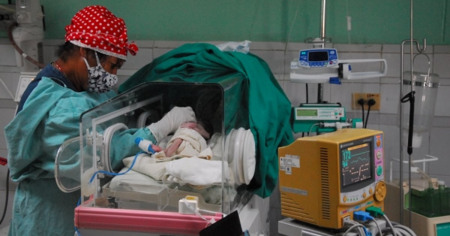
Regarding serious cases, Peña reported that admissions to intensive care units decreased by 6 compared to the previous day, although he emphasized that the majority of individuals with such conditions are under 18 years old.
He added that the behavior in newborns, infants, and other children up to 18 years old is still being evaluated, and explained that children in the infant stage are also falling ill, not just those related to the time of birth.
According to their statement, critical cases remained stable under "very intense surveillance," with the aim of achieving discharge "without danger to life."
Regarding vector control, the deputy minister reported the collection of 137 mosquito breeding sites and an infection rate of 0.47, which she described as "favorable" for transmission.
It was also noted that the adulticidal treatment reached 97.5% of the planned coverage for the day, and the public was requested to keep premises closed for 45 minutes after fumigation for it to be effective.
In addition, he stated that in the last four weeks, at least 83% of the "risk universe" has been sprayed at least once.
Peña also indicated that Cuba remains under regional surveillance and in coordination with PAHO/WHO, with reporting obligations and access to epidemiological alerts. He mentioned alerts for chikungunya in recent years (including 2023 and the previous year) and comparative references to experiences such as that of Paraguay, as well as the adaptation of international protocols to the characteristics of the Cuban healthcare system.
This Monday, nine minors were in critical condition due to arbovirus infections -mainly chikungunya and dengue- in a context marked by hospital collapse, shortages of supplies, and the increasing number of sick individuals across the country.
Nevertheless, Peña García insisted on an optimistic tone, describing the evolution of critical patients as "positive," despite the fact that 71 individuals remained in serious or critical condition, including the nine minors reported under 18 years of age.
Filed under: