
Related videos:
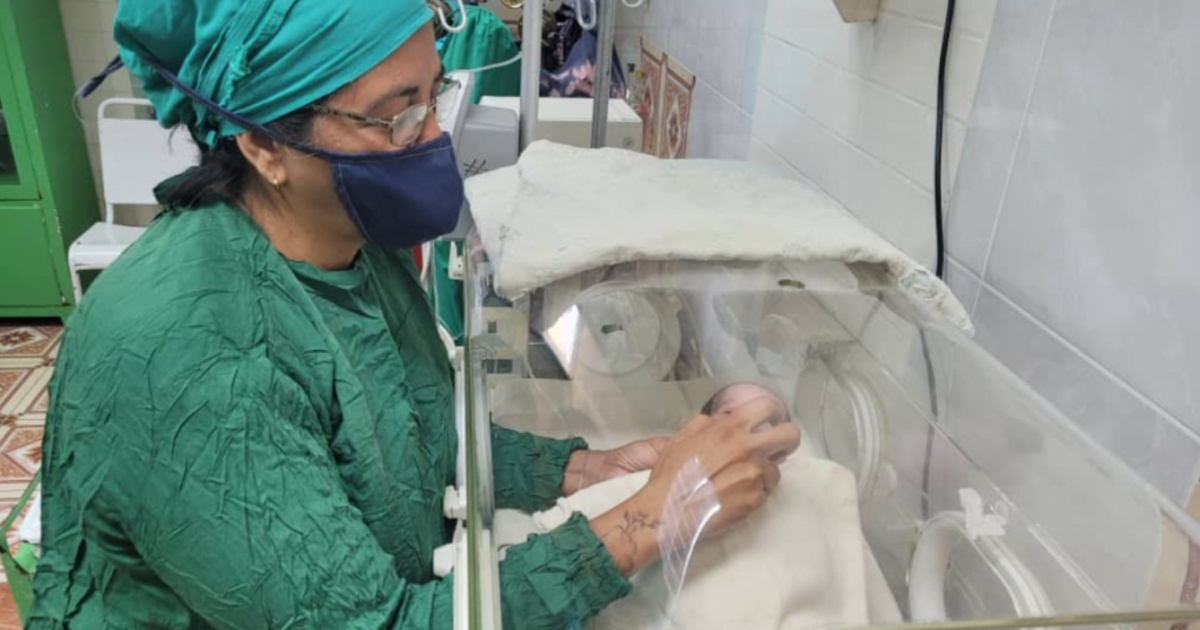
The health authorities in Matanzas acknowledged an increase in premature births and cases of low birth weight during the recent chikungunya epidemic, which directly affected the health of pregnant women and the indicators of the maternal and child health program.
According to the official newspaper Girón, the director of the José Ramón López Tabrane Teaching Gynecology and Obstetrics Hospital, Ariel Rodríguez Prado, explained that “the months of the epidemic were the ones with the highest growth restriction behavior, with greater prematurity,” while addressing a meeting led by the main authorities of the Party and the provincial Government.
The meeting, focused on how to reverse the negative indicators of the maternal and child health program, revealed that the infant mortality rate in Matanzas stands at 8.93 per thousand live births, with 3,806 recorded births to date and around 300 preterm deliveries, a figure that directly affects the deterioration of the sector's outcomes.
The first secretary of the Party in Matanzas, Mario Sabines Lorenzo, emphasized the need to admit all high-risk pregnant women to Maternal Homes to prevent complications.
"They must be in the center that the Revolution has created to care for them, where they receive proper nutrition and constant medical attention," he stated.
The analysis also addressed the rise in adolescent pregnancies and the associated risks, as well as the urgency of strengthening sexual education and preventive measures against sexually transmitted infections in that age group.
Governor Marieta Poey Zamora emphasized the need to ensure basic maternity products, such as cribs and mattresses, in the commercial units of each municipality.
"They cannot be in warehouses; they must be available to those who need them," he warned.
In parallel, provincial authorities updated the epidemiological situation, indicating that the risk of dengue infection has decreased by 25% in the past week, although a health alert remains in place due to the simultaneous circulation of the AH1N1 virus, respiratory syncytial virus, and influenza.
Despite the official discourse on epidemiological control, local reports indicate an overloaded health system, with shortages of medications, lack of hospital resources, and precarious living conditions that worsen maternal and neonatal health.
Filed under: