
Related videos:
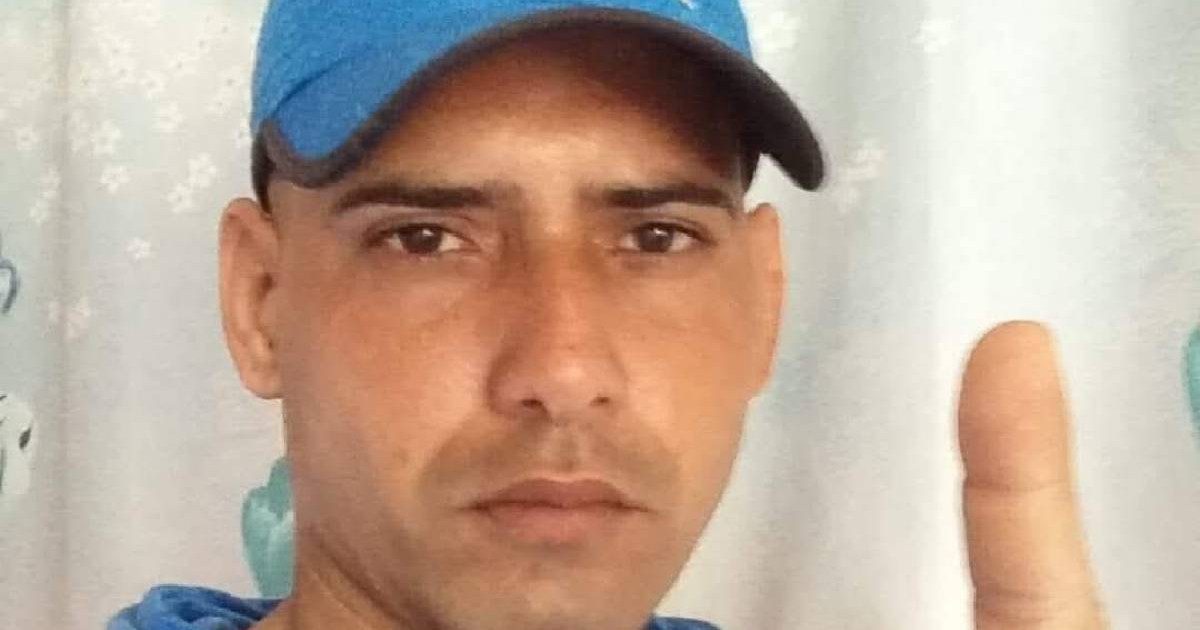
The family of the Cuban political prisoner Yosvany Rosell García Caso was finally able to see him at the Lucía Íñiguez Landín Clinical Surgical Hospital in Holguín, after weeks of him being in intensive care due to the severe physical deterioration he suffered following a 40-day hunger strike.
The news was confirmed by his wife, Mailin Sánchez, through a post on Facebook, where she expressed relief at having been able to reunite with him after weeks of distress.
"This family was able to see their father today, but not in the way we would have liked, in a hospital room; instead, at home, as it should be, free with his family who needs him. At home, we wait for him with open arms, dreaming of his return," he wrote.
According to reports, Yosvany Rosell has been moved from the intensive care unit to a room in the clinical surgical hospital, where he remains hospitalized and is in the process of recovery. "He is feeling better, of course, he will gradually regain his weight. We saw him in good spirits, very strong and holding to his beliefs and convictions," added Sánchez, who also thanked all the family and friends who have supported her during this time.
The reunion takes place just a day after it was revealed that Sánchez had been denied the visit with her husband, even though he was "just a door away," which sparked numerous expressions of solidarity on social media.
Yosvany Rosell García Caso, a blacksmith by trade and father of three children, was sentenced to 15 years in prison for his involvement in the protests of July 11, 2021 (11J) in Holguín. His prolonged hunger strike, which began in October, threatened his life and prompted denouncements from Amnesty International and the Cuban Observatory of Human Rights (OCDH), which called for his immediate release and raised alarms about the inhuman conditions faced by political prisoners on the island.
On December 2, his wife reported that Rosell García ended his hunger strike after 40 days of protest, following the authorities' agreement to his request to be transferred to a solitary confinement cell. He then explained that the process of nutritional reintegration began with hydration solutions and medical tests to assess the condition of his kidneys and other organs. “It was 40 days of suffering for his body; there is still danger to his life, but we trust that he will recover with God's help,” he remarked.
During the most critical days of their hunger strike, hundreds of Cubans and international organizations expressed their support and demanded their release.
Filed under: