
Related videos:
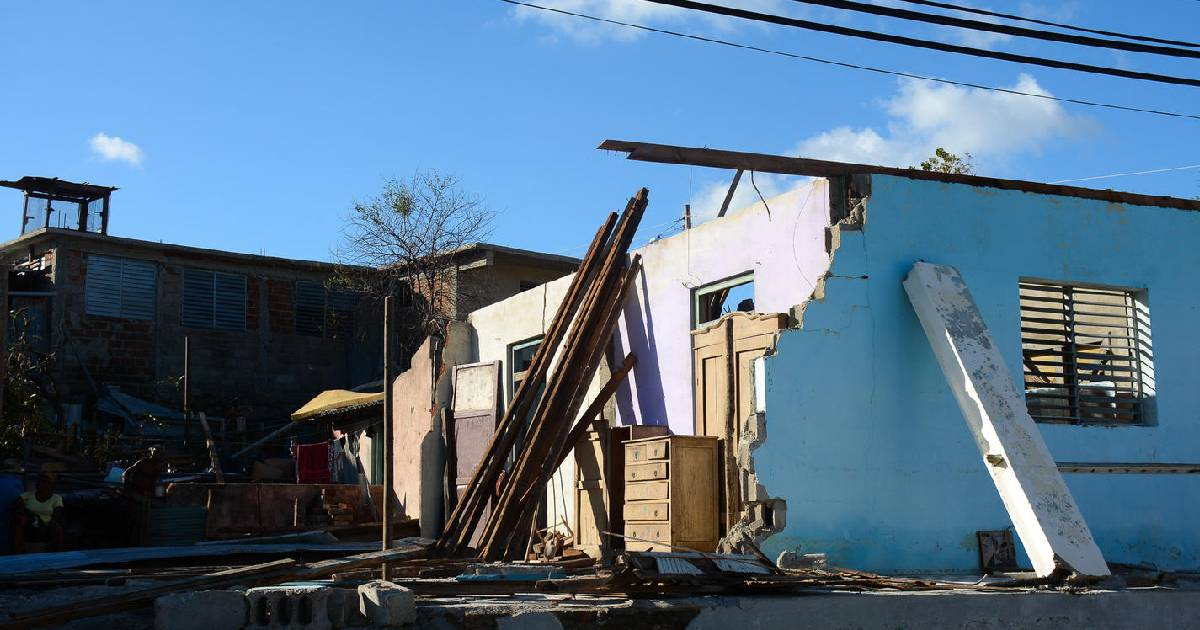
The hurricane Melissa left a devastating toll in eastern Cuba, with over 116,000 homes damaged and thousands of families still awaiting assistance, according to official data presented during the XI Plenary of the Central Committee of the Communist Party.
However, the report summarized the tragedy in just one sentence: “As for the housing, 116,100 are reported to be affected…”.
The figure, although high, is viewed with suspicion by the Cubans themselves, who are accustomed to the lack of transparency in official reports.
During the meeting, President Miguel Díaz-Canel emphasized the "discipline of the people" and the "dedication" of the Armed Forces and the Ministry of the Interior in the evacuation efforts.
"There were people who risked their lives to save the lives of others," he stated, emphasizing that no human lives were lost thanks to the organization of the State.
However, in the most severely affected provinces —Santiago de Cuba, Granma, Holguín, and Guantánamo— the families impacted are experiencing a very different reality.
The recovery is progressing slowly, and Santiago de Cuba remains the only province that has not entered a phase of normalcy.
According to Beatriz Johnson Urrutia, president of the Provincial Defense Council in Santiago de Cuba, more than 93 thousand homes were affected just in that area, in addition to severe damage to roadways, electrical networks, telecommunications, and agricultural crops.
The official acknowledged that, more than 40 days after the hurricane, the province still has not restored 100% of the electrical service, especially in mountainous areas like the Tercer Frente municipality, where restoration is barely at 81%.
"We are working with support from brigades from other regions, but the conditions on the ground are slowing down progress. We estimate an additional week of work," explained the Minister of Energy and Mines, Vicente de la O Levy.
In total, the Civil Defense report indicated that 2,760 people continue to receive assistance and that 227 Armed Forces personnel remain deployed for recovery efforts. It was also reported that vital systems have been restored to 95% and that water supply reaches 96%.
The report itself acknowledged that the lack of maintenance in construction works has worsened the damage to homes and infrastructure, creating a high vulnerability to weather phenomena.
This admission contrasts with the triumphant tone of the official statements, which focused their discourse on "the strength of the system" and "the commitment of the masses."
Among the strengths highlighted by the Party, the "constant presence" of President Díaz-Canel in the affected areas was emphasized, as well as the deployment of national leaders to support the efforts of the defense councils.
In neighborhoods such as Guamá, Palma Soriano, Contramaestre, and Santiago de Cuba, those affected continue to live among debris, makeshift roofs, and a shortage of construction materials.
Filed under: