
Related videos:
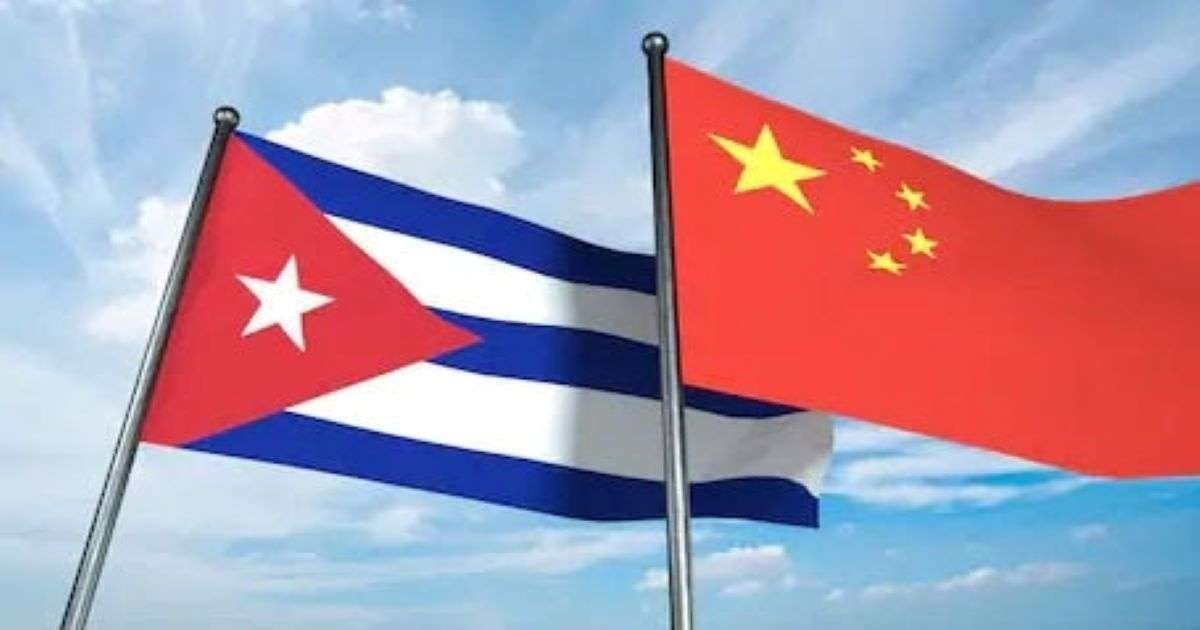
China sent a new shipment of humanitarian aid to Cuba at a time when the regime in Havana is experiencing a profound social crisis, further exacerbated by the devastation caused by Hurricane Melissa.
According to the Cuban ambassador in Beijing, Alberto Blanco, quoted by the state-run newspaper Granma, a maritime shipment departed for the island with "essential aid, such as mattresses, roofing sheets, and solar lamps for the affected families."
This new shipment comes less than a month after the Asian nation dispatched an air cargo with food, supplies, and emergency materials intended for the victims.
According to the ambassador himself, cooperation is part of a series of solidarity gestures that the Cuban government has emphasized amidst the economic and infrastructure deterioration the country is experiencing.
To live off donations
Cuba has received humanitarian aid from nearly thirty countries so far, according to official sources, including materials for housing repairs, water purification systems, and basic supplies from UN agencies.
From Asia, in addition to China, nations such as India, Vietnam, and Japan have sent significant resources. India, for instance, donated a mobile field hospital to enhance medical care in the provinces most affected by the hurricane.
China recently supplied 5,000 photovoltaic panel kits intended for isolated homes in the easternmost part of the country, a significant gesture at a time when Cuba is facing an unprecedented energy collapse and an electrical deficit that exceeds 1,800 MW daily.
This Thursday, it was announced that Venezuela sent a fourth shipment of aid intended for the eastern areas of Cuba affected by Hurricane Melissa, thereby strengthening the bilateral cooperation between both countries in times of emergency.
Beijing and Havana celebrate 65 years of strategic alliances
The increase in aid comes in the context of the celebrations for the 65th anniversary of diplomatic relations between China and Cuba, which the Cuban regime has presented as a model of “strategic, solid, and ascending” cooperation.
Havana emphasizes that the island was the first country in Latin America with which Beijing established its concept of a “shared future community,” a political model that China reserves for its closest allies.
Analysts point out that this dynamic strengthens China's influence in the Caribbean and provides the Cuban regime with crucial support during times of international isolation, especially following the internal economic collapse and the increasing pressure from multilateral organizations regarding the human rights situation on the island.
Filed under: