
Related videos:
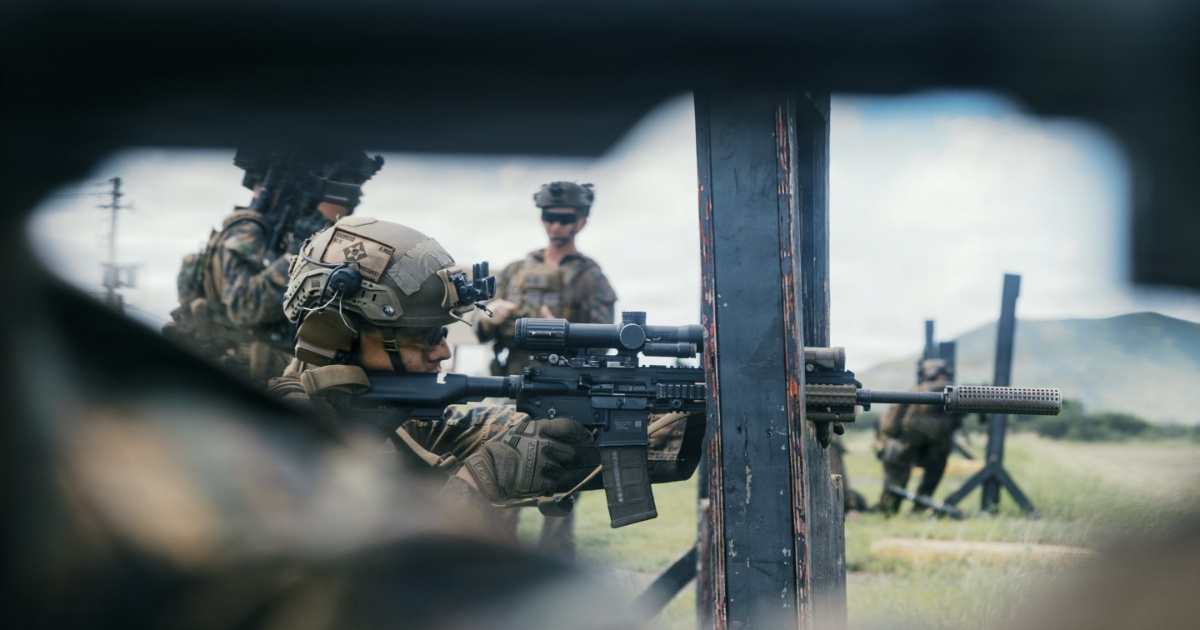
The Cuban Foreign Minister Bruno Rodríguez Parrilla criticized on Friday on social media platform X the military budget of the United States for 2026 and stated that the National Defense Authorization Act (NDAA) includes a multimillion-dollar expenditure.
In his post, the regime official condemned that the NDAA allocated 901 billion dollars, a figure that he described as a record in the history of that country.
In his publication, Rodríguez stated that “the ruling plutocracy and warmongers” are looking to sustain the doctrine of “peace through strength” with more taxpayer funds.
Hello —according to its assessment— revives the arms race, the aggression against sovereign countries, and the usurpation of strategic natural resources.
The chancellor added that, while Washington places "citizen demands in second place" and "forgets electoral commitments," it finances a “new national security strategy” that he described as "extremely offensive."
In that same message, he accused the United States of attempting to "unearth" the Monroe Doctrine with an "aggressive" corollary against "Our America."
The post generated critical responses from users on X. Among the comments cited in the material, one questioned the "heated narrative" against the U.S. and mentioned the existence of "political prisoners" in Cuba and alleged human rights violations.
Another user suggested that “their funding from the 'cartel of the suns' is going to run out” and predicted “the downfall” of the Cuban government.
There were also messages asking why Rodríguez would be so concerned about what the U.S. is doing. Others contrasted the situation in Cuba with complaints about blackouts, hunger, and trash.
"At least the United States government cares about congratulating its people for Christmas and ensuring their well-being; in contrast, the Cuban government didn't even bother to congratulate the Cuban people and instead gifted them with blackouts, hunger, and foul-smelling garbage," wrote an internet user.
Another one also pointed out: "The real aggression is committed by you: interfering in elections, sending 'slave doctors,' funding narco-guerrillas, and supporting dictatorships in Nicaragua and Bolivia. In Cuba, citizens' petitions end up in prison or in exile. In the U.S., people vote, protest, and change governments without fear of being killed."
This December, Bruno Rodríguez publicly defended the regime of Nicolás Maduro and claimed that the U.S. government "lacks moral authority" to speak on terrorism, referring to recent statements from Washington regarding Latin America.
In that message, shared on his social media, Rodríguez also reaffirmed his rejection of what he described as "imperialist aggressions" and denounced an alleged U.S. interference in the region.
Afterward, the Cuban government reacted to the confiscation of an oil tanker off the coast of Venezuela, an incident it deemed part of the "systematic hostility" of the United States against sovereign countries.
Cuban authorities condemned the incident and linked it to an alleged strategy of geopolitical domination, in line with their recent rhetoric regarding the resurgence of interventionist doctrines such as the Monroe Doctrine.
On the eve of Christmas, the Cuban regime blamed the U.S. healthcare system for the fentanyl crisis, in a statement that is part of a broader narrative of ideological confrontation.
According to the Cuban government, the American healthcare model fosters inequalities that have global consequences, including the spread of synthetic drugs that affect multiple countries.
Filed under: