
Related videos:
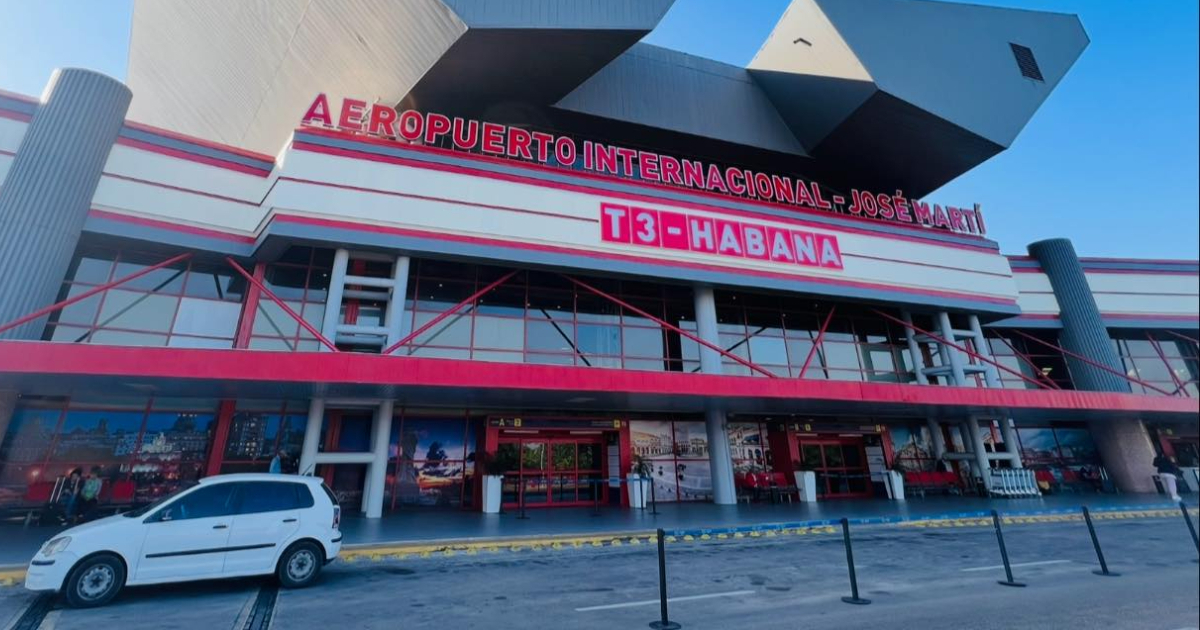
The state travel agency Cubanacán will connect tourist destinations from Havana to Holguín on a weekly basis starting this Sunday, with a stop at the resort of Cayo Coco.
Two daily routes will be established: one in the morning, departing from Havana at 5 AM and returning at 9 AM, and one in the evening, departing at 8 PM and returning at 10 PM, the agency reported on its networks.
The new route aims, according to official information, to establish “an itinerary that connects three of the most recognized tourist destinations in Cuba in a single route.”
With this new connection, the struggling national tourism industry will try to significantly reduce travel times and design combined tourist packages.
"The new air service represents a well-defined commercial and logistical strategy to boost the flow of travelers between the capital, the eastern part of the country, and the most sought-after sun and beach destinations," the statement reads.
However, despite these efforts, the Cuban tourism industry is in free fall.
Tourism Crisis
Cuba received 2,132,680 travelers by October 2025, a figure that represents only 85.6% of the visitors recorded during the same period the previous year.
According to the National Office of Statistics and Information (ONEI), the country also recorded 1,477,892 international visitors, which is a 20% decrease from 2024, equivalent to 366,916 fewer foreign tourists compared to last year.
The main sources of tourists to Cuba continue to be Canada, the Cuban community abroad, Russia, the United States, and Mexico, although all show a significant decline compared to the previous period.
Canada, for example, went from 727,254 visitors in 2024 to 596,644 in 2025, while Russia dropped from 156,614 to 99,908, one of the most significant declines.
Only Argentina and Colombia reported slight increases in traveler arrivals, with growth rates of around 8% and 9%, respectively, though these are insufficient to reverse the negative trend in the sector.
Tourism, regarded as one of the economic pillars of the regime, continues to fall short of official targets and pre-pandemic levels, in a context marked by the economic crisis, fuel shortages, the deterioration of hotel infrastructure, and a lack of international appeal.
Despite the official propaganda that insists on the "gradual recovery of tourism," the figures from ONEI confirm a sustained decline in the sector, which directly impacts foreign exchange earnings and employment in tourist hotspots such as Varadero, Cayo Coco, and Holguín.
Filed under: