
Related videos:
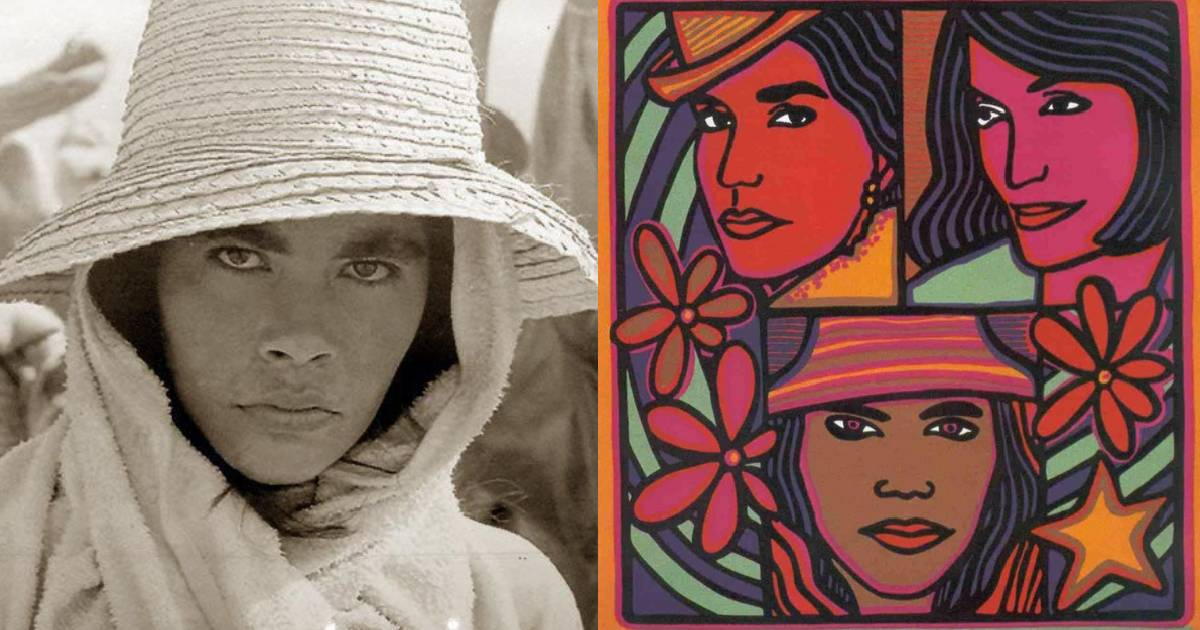
Adela Legrá, an iconic figure of Cuban cinema and one of the stars of Lucía (1968), passed away on the morning of January 2 in Santiago de Cuba at the age of 86.
The actress was urgently admitted to the Provincial Hospital of Santiago de Cuba, where she passed away hours later, according to information confirmed by the page on Facebook of the Cubacine portal, an entity affiliated with the Cuban Institute of Art and Cinematographic Industry (Icaic).
Coming from humble beginnings, Legrá worked from a young age in agricultural and domestic tasks in various areas of the former province of Oriente.
Her connection to cinema emerged while she was working as an activist for the Federation of Cuban Women in Baracoa when she was discovered by filmmaker Humberto Solás (1941-2008), who offered her the lead role in Manuela (1965).
The naturalness and expressive strength of her performance immediately caught the attention of both the audience and critics, which led Solás to call her back for one of the central roles in Lucía, considered one of the most important works in Cuban and Latin American cinema.
In that film, Legrá portrayed a peasant woman set in the 1960s, a character that became a symbol of Cuban women and their emancipation in the early years of the Cuban Revolution.
Throughout his career, he participated in key titles of national cinema such as Rancheador (1976), El Brigadista (1977), Polvo Rojo (1981), Miel para Oshún (2001), and Barrio Cuba (2005), in addition to working in television.
For his contributions to the seventh art, he received various accolades, including the Lucía de Honor Award during the inaugural gala of the 2017 Gibara International Poor Film Festival. The distinction is inspired by the namesake film.
On that occasion, the award was also given to actress Eslinda Núñez -the Lucia from the second story of the film- and to the filmmaker's family, as a tribute to a life dedicated to the seventh art.
During the ceremony, Legrá thanked Jorge Perugorría, then president of the Festival, for continuing Solás's dream, as well as the people of Gibara for staying true to their identity.
Upon hearing the news of his passing, film critic Juan Antonio García recalled through his Facebook page his participation in the National Workshop on Film Criticism in 2006 and described his death as "sad, very sad" news.
Filed under: