
Related videos:
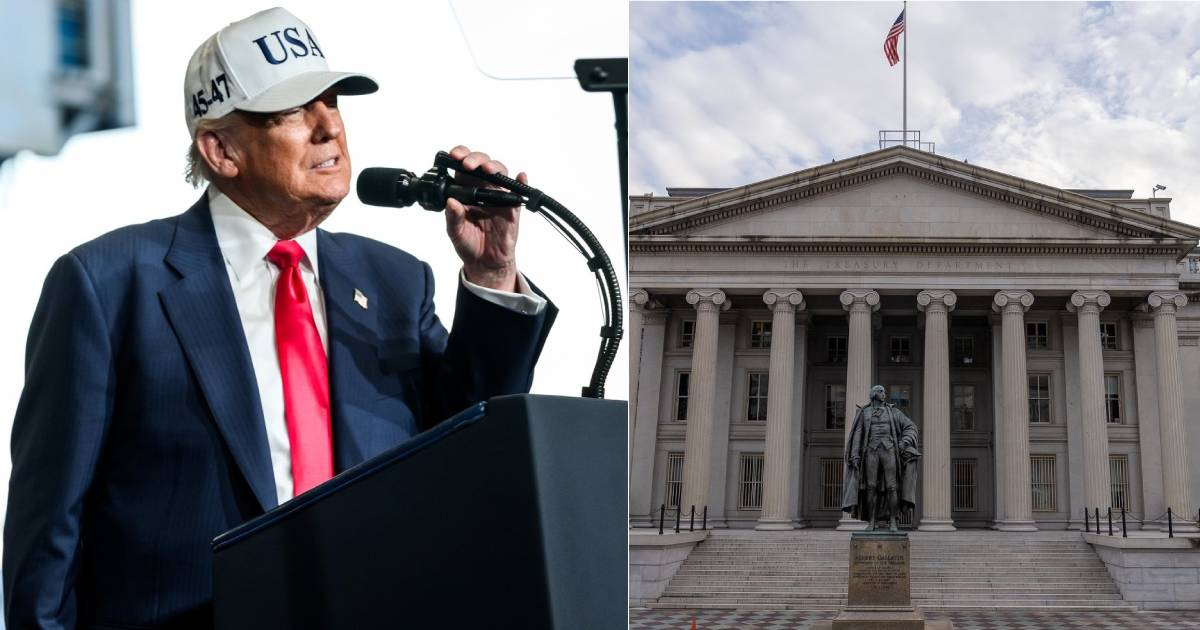
The President of the United States, Donald Trump, signed an executive order aimed at preventing courts or creditors from seizing the revenues from the sale of Venezuelan oil that are deposited in U.S. Treasury accounts.
The measure declares that these funds, derived from oil operations and the sale of diluents, are sovereign property of the Venezuelan state and remain under the custody of Washington exclusively for governmental and diplomatic purposes. Consequently, any attempt to seize, sentence, or initiate legal proceedings against these resources is prohibited and will be considered null and void.
According to the White House, allowing those revenues to be seized could undermine the efforts of the United States to stabilize the political and economic situation in Venezuela, a goal that the Trump administration links to reducing irregular migration flows, combating drug trafficking, and containing actors deemed hostile in the region, such as Iran and Hezbollah.
The executive order is based on the International Emergency Economic Powers Act and the National Emergencies Act, legal instruments that allow the president to declare an extraordinary threat to national security and adopt exceptional measures.
Trump argues that the judicial use of these funds would directly interfere with U.S. foreign policy and the management of its international relations.
The text emphasizes that resources cannot be claimed by private creditors or companies with pending lawsuits against the Venezuelan state, including those that have multimillion-dollar claims for expropriations that occurred during nationalization processes in past decades.
The order avoids mentioning specific names, but the context includes large oil companies that left Venezuela after losing strategic assets.
The presidential decision coincides with a broader effort by Washington to reshape its relationship with the Venezuelan energy sector.
According to official reports, the Trump administration is seeking to encourage large-scale foreign investments in the oil industry of the South American country and to facilitate agreements that would allow the supply of Venezuelan crude to U.S. refineries specially designed to process it.
From the White House, there is insistence that the protected funds must ultimately be allocated to promoting peace, prosperity, and stability in Venezuela, under the oversight of the State Department and the Treasury Department, thereby reinforcing Washington's political and diplomatic control over the future of these strategic revenues.
Filed under: