
Related videos:
The Provincial Commission for Road Safety of Havana announced this Tuesday a comprehensive operation including street closures, detours, and parking prohibitions that will affect dozens of streets and several municipalities of the capital starting in the early morning of Thursday, January 15
The closures will be implemented as part of the organizational measures to ensure road safety in light of the tributes to 32 military personnel who died in Venezuela, who -according to the official narrative- died “heroically during the criminal attack carried out by the Government of the United States against the sister Bolivarian Republic of Venezuela.”
Street closures and restrictions starting at 4:00 a.m.
Starting from 4:00 a.m. this Thursday the 15th, all vehicular traffic will be restricted and parking will be prohibited on a wide list of streets.
The measure will remain in place until the conclusion of the ceremonial procession, which includes the transfer of the bodies from José Martí International Airport to the headquarters of the Ministry of Revolutionary Armed Forces (MINFAR) via Rancho Boyeros Avenue.
In addition, operational closures will take place at all intersections between Van Troy Avenue and Paseo Street starting at 7:00 a.m.
Authorities recommend that the public use alternative routes such as the Calabazar road, Murgas road, or Project 3 towards 114th Street, and avoid traveling through the affected areas after 7:00 a.m.
Complete list of streets with total closure and parking prohibition:
-Paseo, from Zapata to Ayestarán.
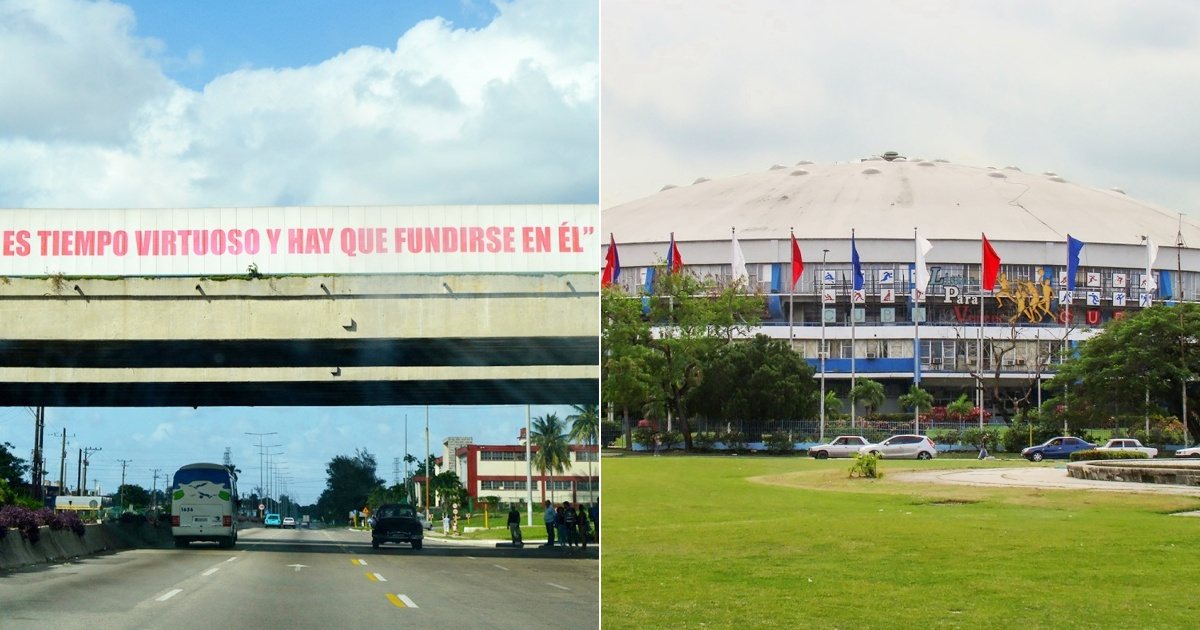
-Avenidas Boyeros and Carlos Manuel de Céspedes, from Zapata Street to Vía Blanca (Roundabout of the Sports City).
-Aranguren Street, from Carlos Manuel de Céspedes Avenue to Ayestarán.
-Zapata, from Avenida 26 to Infanta.
-8th and 10th Streets, from 25th to Zapata.
-Calle G, from 23rd Street to Salvador Allende Avenue.
-Colón Street, from Zapata to Carlos Manuel de Céspedes Avenue.
-Tulipán Street, from Avenue 26 to Ayestarán.
-Ayestarán Street, from Rancho Boyeros Avenue to Salvador Allende Avenue.
-Infanta Street, from San Lázaro to Calzada del Cerro.
- Simón Bolívar Avenue (Reina), from Monte to Belascoaín.
-Calle G, from Malecón to Avenida Salvador Allende.
-19 de Mayo Street, from Ayestarán to Carlos Manuel de Céspedes Avenue.
-20 de Mayo Street, from Ayestarán to Amenidad.
-Amenidad Street, from 20 de Mayo to Infanta.
- Manglar and Saldo Streets, from Infanta to Monte.
-Domínguez, Piñera, San Pedro, San Pablo, Tulipán, and La Rosa streets, from Ayestarán to Falgueras.
- Streets Panchito Gómez, Mazo, and General Núñez, from Pedro Pérez to Aranguren.
-Streets 31, 33, 35, 37, and 39, from Loma to Avenida Paseo.
- Pozos Dulce, Montoro, and Luaces, from Desagüe to Avenida Salvador Allende.
-Almendares Street, from May 19th to Salvador Allende Avenue.
-Plasencia Street, from Benjumeda to Salvador Allende Avenue.
-Retiro and Árbol Seco, from Clavel to Avenida Salvador Allende.
-Subirana, Franco, and Oquendo, from Manglar to Salvador Allende Avenue.
-Oquendo, Márquez González, San Carlos, and Nueva del Pilar, from Santo Tomás to Avenida Salvador Allende.
- Hidalgo, Panorama, and Bellavista streets, from Tulipán to 39.
-Prado Street, from Neptuno to Monte.
-Zanja Street, from Belascoaín to Infanta.
Recommended alternative routes:
-Calzada del Cerro.
-Mount.
-Belascoáin.
-Cristina.
-Vía Blanca.
-Malecon.
-Port Avenue.
-Calle 100.
-Vento.
-Santa Catalina.
The Commission apologized for the inconvenience and urged the public to follow the guidance of the Revolutionary National Police (PNR) and to remain attentive to new instructions.
Repatriation of the bodies and official tributes
The traffic disruptions are part of the official program of tributes to the 32 Cuban military personnel who died during an operation in Venezuela. Their bodies will be repatriated on Thursday morning and received in a military ceremony at José Martí airport, where the first posthumous honors will be paid.
After this ceremony, the coffins will be solemnly transported along Avenida Rancho Boyeros to the MINFAR headquarters, where starting at 10:00 a.m., a public wake will be held to pay tribute.
Marches, tributes, and burials on January 16
On Friday, January 16, at 7:30 a.m., a political-military event will take place at the José Martí Anti-Imperialist Tribune on the Havana waterfront.
From there, the so-called March of the Fighting People will begin, described by authorities as a demonstration of "patriotic reaffirmation."
At 9:00 a.m., simultaneous tributes will be held in all the provincial capitals of the country, and at 4:00 p.m., the burial of the remains is scheduled to take place in the cemeteries of the Fallen for Defense in their respective hometowns.
"All municipalities in the country will hold posthumous tribute events. Honor and glory to our heroes!" proclaimed the Communist Party in its official statement.
Context: A narrative of sacrifice and silence
The Cuban government has framed the event as an act of heroic sacrifice, filled with patriotic symbolism, but has not provided specific details about the military operation in which the 32 combatants lost their lives.
The soldiers' deaths occurred amid a U.S. military intervention in Venezuela that resulted in the fall of Nicolás Maduro's government and the rise of an interim administration led by Delcy Rodríguez, who recently presided over a tribute event in Caracas alongside Cuban Foreign Minister Bruno Rodríguez.
"The blood of both nations merged on Venezuelan soil, as befits brotherly nations," wrote the Cuban minister after his visit, during which posthumous promotions and decorations were awarded to the fallen.
However, the lack of information regarding the specific mission of the Cuban troops, their functions, and the nature of the "criminal attack" referenced by the authorities has raised unanswered questions among the population and in independent media.
Filed under: