
Related videos:
The United States is intensifying pressure on Mexico to allow the participation of U.S. military forces in joint operations aimed at dismantling fentanyl labs on Mexican territory.
According to revelations from The New York Times, citing several government officials, the proposal, initially raised last year and revisited following the capture of Venezuelan dictator Nicolás Maduro by U.S. forces, involves Special Operations soldiers or CIA agents accompanying units of the Mexican Army in raids against the cartels that produce and traffic fentanyl into the United States.
According to sources cited by the New York newspaper, the plan would entail a significant expansion of Washington's role in anti-drug operations within Mexico, which has elicited rejection from the government of President Claudia Sheinbaum, who has insisted on maintaining national sovereignty in the face of any foreign intervention.
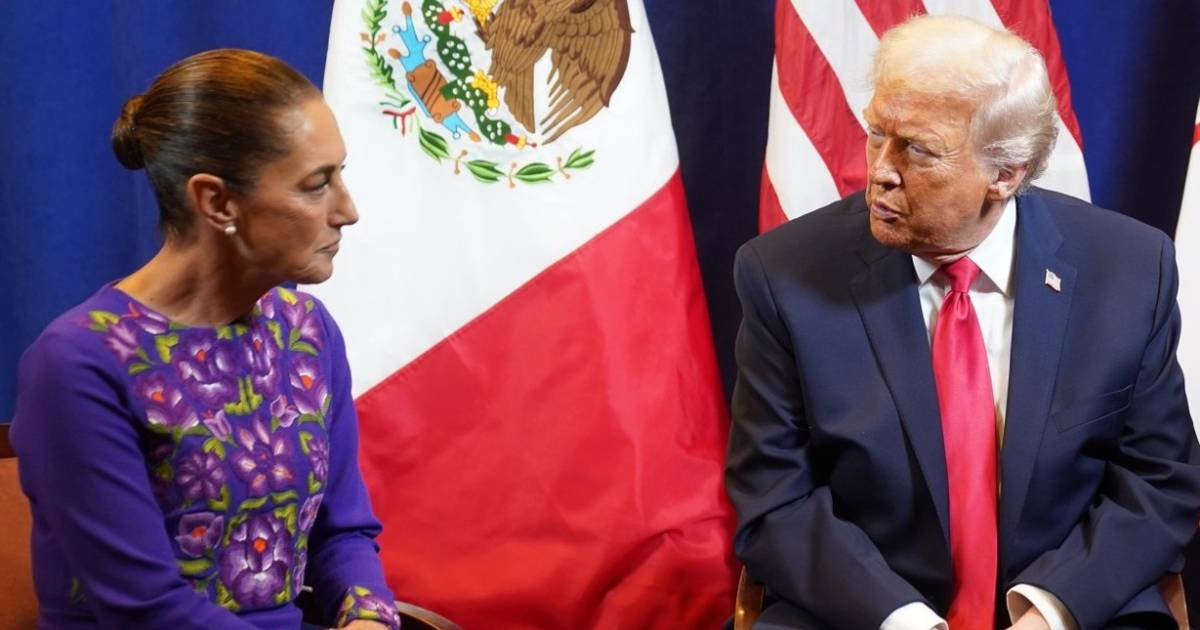
“Im always say that it is not necessary,” declared Sheinbaum after a phone conversation with President Donald Trump.
“He was receptive, listened, and we agreed to continue working together,” he added in a diplomatic tone, while reaffirming his refusal to allow foreign troops on Mexican soil.
U.S. officials told the Times that Washington intends for its forces to participate in raids alongside the Mexican Army, directing missions and targeted interventions in order to dismantle clandestine laboratories and capture leaders.
The Department of Defense stated in a statement that it is “prepared to execute the orders of the commander in chief at any time and place.”
According to The New York Times, the White House has not officially commented on the proposal, but Trump noted in an interview with Fox News that "97 percent of the drugs entering by sea have already been halted" and that his current goal is "to take on Mexico's cartels from land."
In response, the Mexican authorities offered as an alternative to increase intelligence sharing and allow for greater involvement of U.S. advisors in command centers, without deploying armed troops on national territory.
During the previous administration, the CIA conducted unmanned flights over Mexico to identify potential fentanyl labs, an operation that has expanded since Trump took office.
Drones track both the production and transportation of chemical precursors arriving at Mexican ports.
Fentanyl is responsible for the majority of overdose deaths in the United States and has been labeled by the White House as a national security issue.
Last year, the government designated it as "a weapon of mass destruction" and classified several Mexican cartels as foreign terrorist organizations.
Washington's insistence on conducting joint operations has generated diplomatic tensions, particularly due to the history of invasions and conflicts between the two countries.
Mexico has allowed the presence of DEA agents and American advisors, but their participation in field actions is strictly prohibited.
Sheinbaum faces a delicate political balancing act: if she agrees to Trump's proposal, she could be accused of ceding sovereignty; if she outright rejects it, she risks damaging bilateral cooperation on security matters.
“ We have highly trained special forces. What we need is information, not foreign soldiers," affirmed the Secretary of Security, Omar García Harfuch, to the Times.
The push from Washington comes after the success of the operation that led to Maduro's capture in Venezuela, an action that has emboldened Trump and his national security team.
Sources cited by the newspaper indicate that the president considers Mexico the “next priority” in his strategy against drug trafficking.
Filed under: