
Related videos:
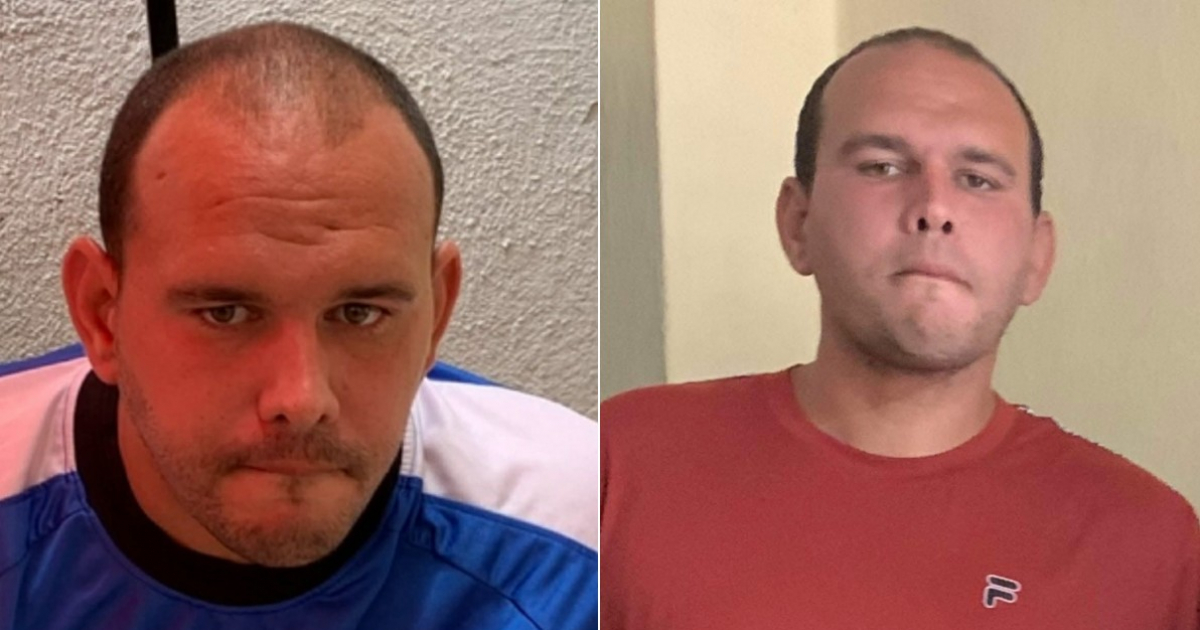
A 35-year-old man, originally from the Vistalegre neighborhood in the city of Holguín, has been missing from his home for almost a month, despite his family's continuous search for him.
His name is Yazmani Creo Pupo, and he was last seen on December 23.
He suffers from schizophrenia and diabetes, two conditions that significantly increase the risk of his prolonged absence.
According to his relatives, although he used to walk around various parts of the city, he always managed to return on his own, which makes his current disappearance particularly unsettling.
Her sister and other relatives have repeatedly shared her case on Facebook, explaining that they have visited hospitals, police stations, and psychiatric institutions without any concrete results.
The family insists that any piece of information, no matter how small, can make a difference and allow Yazmani to be found alive.
Her sister, Yeni Yuniel Freire, shared two messages on on January 1 and again on January 14, in which she requests help to find him.
In his posts, Freire warns that Yazmani is experiencing health issues, which makes each day without news increase the anxiety.
These calls include that of user Leonides Ayarde Zamora, who on December 27 requested assistance to find the young man, describing him as a person with a congenital mental condition.
In his message, he explains that the family has already knocked on all possible official doors without success, and that the only avenue left for them is to appeal to the solidarity of the citizens through the Internet.
These cases reflect a worrying pattern: faced with the limited effectiveness of institutional search efforts, the relatives of the missing end up turning to Facebook and other virtual platforms as their primary tool.
In Cuba, the disappearance of people remains a tragedy that many families face virtually on their own.
The lack of effective responses from institutions leaves the relatives of the missing with no choice but to turn to social media, independent outlets, and influential figures online to share their cases and seek direct help from the public.
There, they publish photos, personal information, and contact numbers, hoping that someone, either on the street or online, will provide a lead that the authorities have been unable to obtain.
The situation not only exposes the vulnerability of those who go missing but also the lack of protection for their families, who bear the emotional and organizational burden of the search.
Meanwhile, the community plays a key role, sharing information and paying attention to faces and names that circulate daily on social media, in a collective effort to provide what the system is not ensuring.
Filed under: