
Related videos:
The President of the United States, Donald Trump, warned that his administration will soon commence ground attacks to halt the illegal drug trafficking entering the country, in a strategy similar to the operations against alleged drug boats carried out in recent months in the Caribbean and the Pacific.
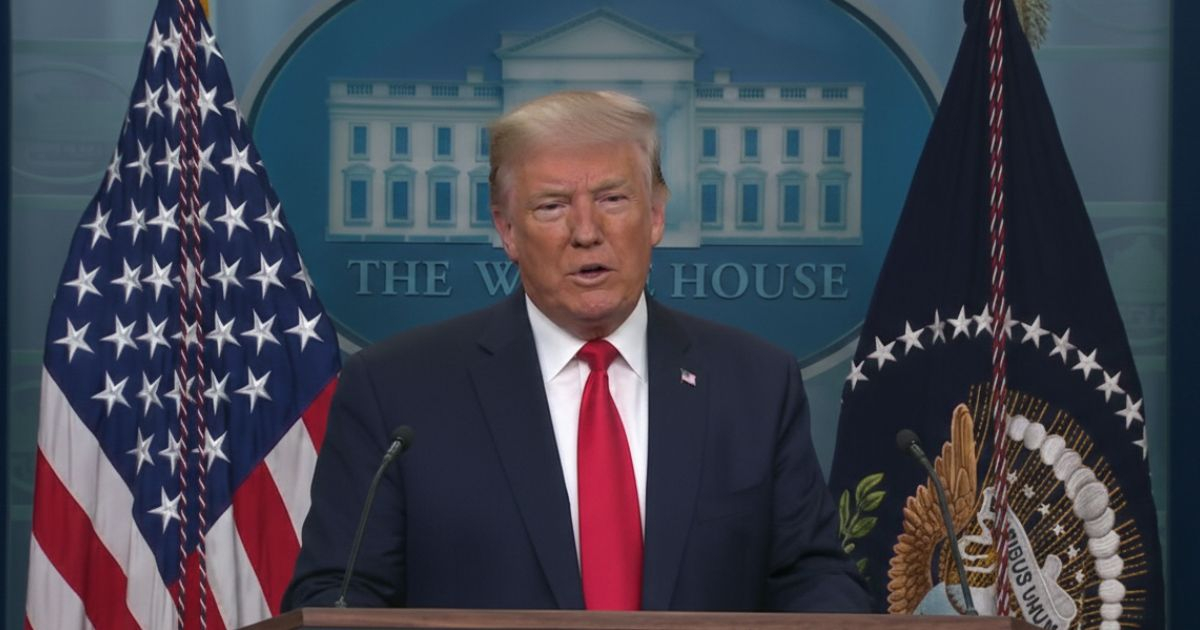
In a press conference held at the White House to mark the first anniversary of his term, and broadcast on social media, Trump stated that the land routes through which illegal substances enter the United States are “fully identified” and that his administration is ready to act.
"We have intercepted almost 100% of the drugs entering by sea. Soon, we will begin to intercept the drugs coming in by land. We know exactly where they are coming from," said the president, although he did not specify what types of targets will be affected by these operations.
"You have already seen what we have achieved at sea. Now we are going to do the same on land. It’s much easier on land," Trump added, emphasizing that his administration "will not sit idly by" while the flow of narcotics continues into U.S. territory.
These statements reinforce his previous warning that the United States "will also attack those who bring drugs by land," which has escalated diplomatic tensions with Mexico.
A week ago, the Mexican president Claudia Sheinbaum stated that, after having a phone conversation with Trump, "any possibility of a military action by the United States on Mexican territory has been ruled out."
Sheinbaum stated that her administration maintains a "close collaboration" with Washington on security matters, although she categorically rejected the possibility of adopting the term "narcoterrorism" to justify foreign interventions.
"Organized crime cannot be categorized as terrorism," the leader stated at that time.
Trump's new words contrast with that conciliatory message and suggest a hardening of the White House's drug policy, in line with his doctrine of "peace through strength," which is also applied in the Caribbean and South America.
The bilateral relationship is currently experiencing a peak of tension, just weeks after the capture of Nicolás Maduro in Venezuela, during a military operation that reaffirmed Washington's willingness to act unilaterally against what it considers threats to regional security.
Filed under: