
Related videos:
The Cuban regime acknowledged that the energy crisis affecting the country will persist without a short-term solution, amid increasing difficulties in importing hydrocarbons and maintaining national electricity generation.
During a report from National Television, officials from the energy sector admitted that "the system is at its limit" and that the inability to finalize fuel imports is one of the main causes of the prolonged power outages affecting homes, industries, and essential services throughout the island.
"The impact is very significant. The first blow is on the export of the main raw material: the crude oil that should be refined in our industry," explained one of the executives of the state electric system.
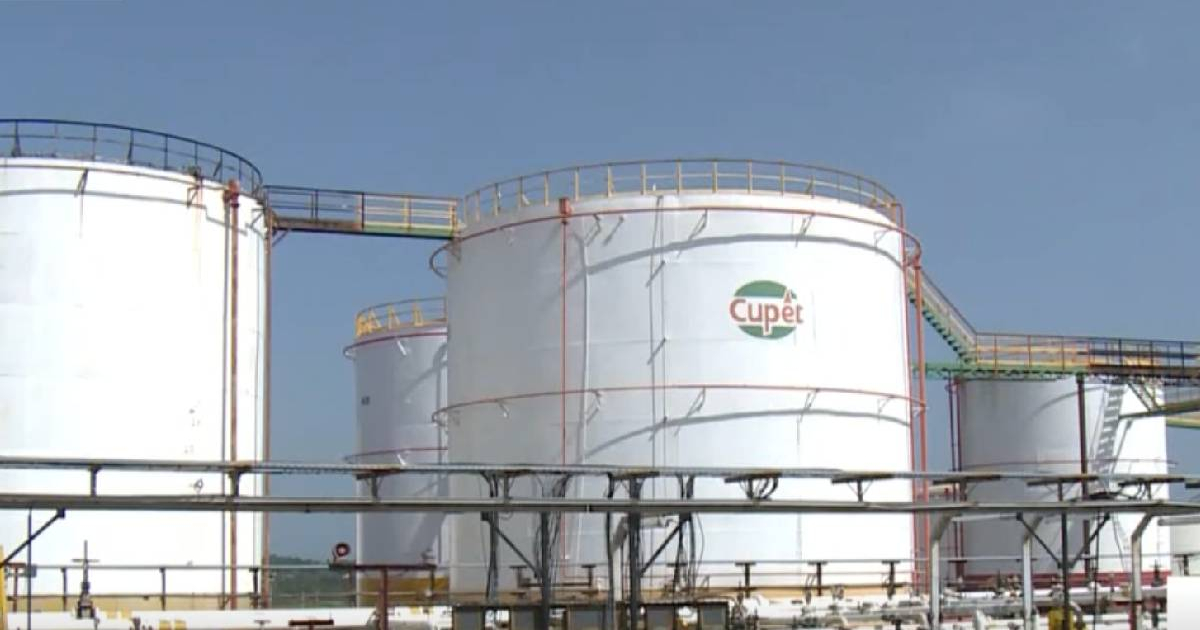
According to the statements, Cuban ports are not receiving the necessary volumes of diesel or fuel oil, essential fuels for electricity generation and for the operation of furnaces, boilers, and industrial plants.
“We are talking about diesel for electricity generation, the fuel that is so essential for our industry, and sensitive products such as liquefied petroleum gas and butane gas, which we use for cooking. We have had ships held up for months, even having the capital, but without a way to get the money to the banks,” the official acknowledged, blaming the U.S. embargo for the crisis.
Power outages have exceeded 10 hours a day in several provinces in the central and eastern parts of the country, where public discontent is growing due to the lack of electricity, fuel, and food.
On social media, users reported that the situation has become "unsustainable," while the government continues to blame sanctions and financial blockades, without acknowledging the structural crisis of the energy system or the poor state management.
In recent months, national electricity production has fallen to its lowest levels in over a decade. Experts warn that without foreign investment or stable access to refinable crude oil, generation will continue to decline, impacting transportation, food production, and public services as well.
The energy crisis in Cuba has worsened following the reduction of oil supplies from Venezuela, after the capture of dictator Nicolás Maduro and U.S. control over Venezuela's oil sector.
The lack of alternative suppliers and the obsolescence of thermoelectric plants have left the country in a critical state of dependency, with no room for maneuver to stabilize the electric system.
Filed under: