
Related videos:
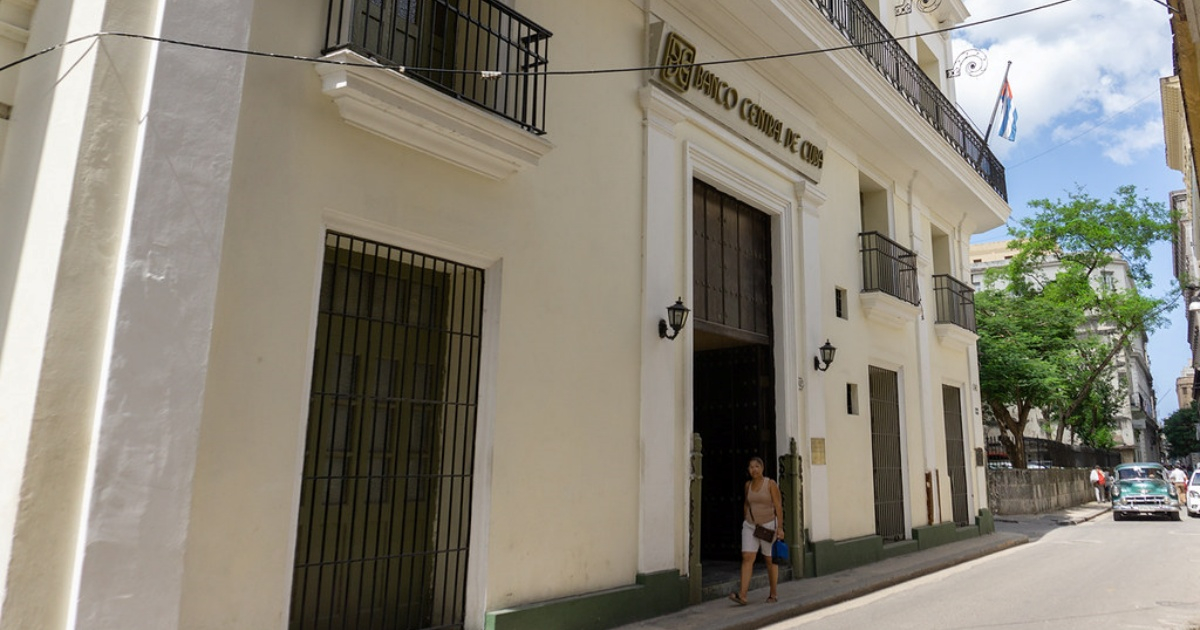
The Central Bank of Cuba (BCC) denied information circulating on social media regarding an alleged halt of banking services on the island.
“Banking services are fully available to the people of Cuba,” the state institution assured on Facebook.
This is not the first time that the institution has had to take to Facebook to refute false information, in a context marked by growing economic insecurity.
At the end of December, the BCC issued an official alert on social media to refute what it termed a “massive attempt to deceive” the population, spread through Facebook posts promising money deposits into bank accounts on the island during the first week of January.
According to the statement from the BCC, released through its Facebook profile, the information is completely false and there is no program, donation, or cash distribution operation promoted by either the Cuban banking system or the United States government.
The institution directly identified Spanish citizen Ignacio Jiménez or Giménez as the source of the campaign, noting that he has previously been involved in similar episodes of disinformation.
In one of his Facebook posts, Giménez stated that all Cubans with accounts at Banco Metropolitano, Banco Popular de Ahorro, and Bandec would receive a "New Year's gift" without the need for any paperwork.
Floating rate
Last Tuesday, the BCC implemented the largest daily increase in its exchange rate since the establishment of the "currency segments" system, in an effort to align more closely with the actual value of foreign currencies in the market.
The official dollar rose from 419 to 426 Cuban pesos (CUP), an increase of 7 pesos, while the official euro climbed from 485.87 to 496.12 CUP, a rise of 10.25 pesos.
However, the adjustment does not change the overall picture. The informal market continues to impose its own rules: there the dollar remains at 490 CUP and the euro at 530 CUP, according to data published this Tuesday by elTOQUE.
The gap between the two exchange rates remains vast: 64 pesos for the dollar and 34 for the euro, confirming that the so-called "floating rate" of the BCC only exists on paper, and that inequality in Cuba continues to grow in the context of failed economic policies.
Filed under: