
Related videos:
A team from the National Center for Oncological Research (CNIO), led by scientist Mariano Barbacid, has successfully eliminated the most common type of pancreatic cancer —ductal adenocarcinoma— in mice for the first time, using a combination of three drugs that prevents the development of resistance and does not cause significant side effects.
The therapy, regarded as an unprecedented advancement in the experimental treatment of this type of cancer, was designed by researchers Vasiliki Liaki and Sara Barrambana, in collaboration with Carmen Guerra. The results have been published in the scientific journal PNAS, reported the news agency EFE.
During the presentation of the results, Barbacid, director of the Experimental Oncology Group at the CNIO and honorary scientific president of the CRIS Against Cancer Foundation, emphasized that the triple therapy achieved complete remission in animal models, a milestone that had never been accomplished before for this type of tumor.
Ductal adenocarcinoma of the pancreas is the most common and aggressive type of pancreatic cancer, with a survival rate of less than 5% at five years. In Spain, more than 10,000 cases are diagnosed each year, and until now, there have been no effective specific therapies.
"Since 1981, we have made significant progress in the molecular understanding of cancer," Barbacid explained, "but in the case of pancreatic cancer, we still cannot offer effective treatments beyond conventional chemotherapy."
The CNIO team simultaneously targeted three key proteins involved in tumor growth: KRAS, EGFR, and STAT3. These act as engines of cancer and are responsible for resistance to current therapies.
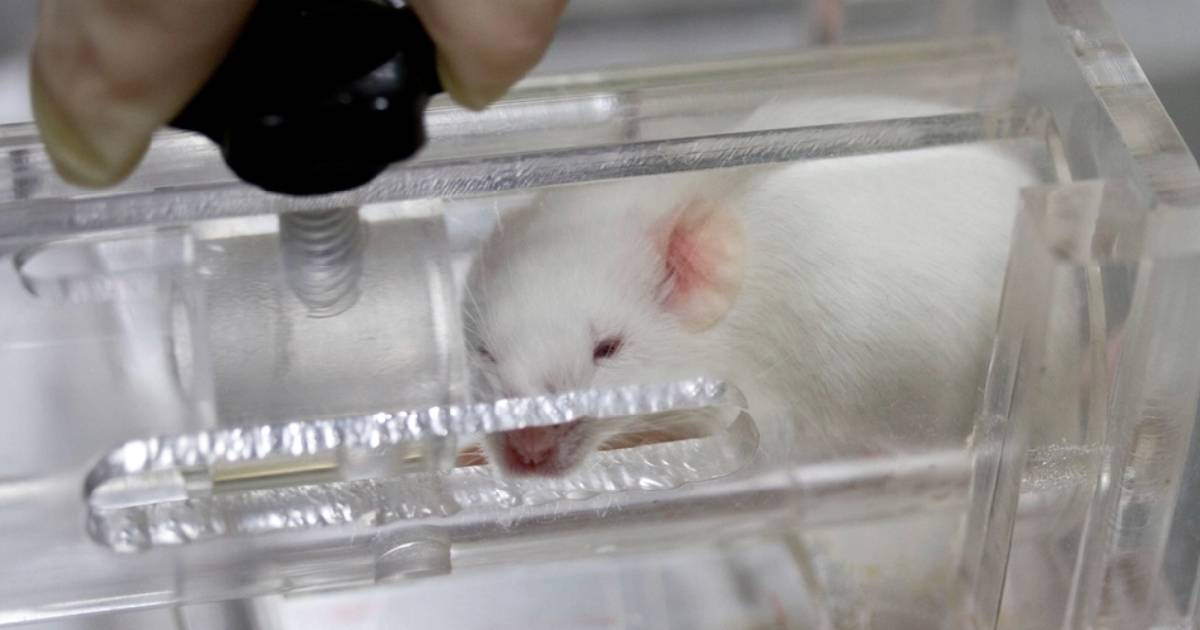
In the experiments conducted with 18 mice carrying human cancer cells, 16 remained disease-free 200 days after treatment, with no significant adverse effects.
The therapeutic combination includes three drugs: daraxonrasib (a KRAS inhibitor developed by Revolution Medicines), afatinib (used in certain types of lung cancer), and SD36 (a protein degrader). Together, they completely halted tumor development for nearly half the lifespan of a mouse.
The breakthrough is the result of more than six years of research. In 2019, Barbacid's group had already managed to suppress cancer in mice by eliminating the targets EGFR and RAF1, although with limited effectiveness. The discovery of the role of STAT3 allowed for the design of a more comprehensive and lasting strategy.
"Our roadmap now is to enhance the therapy and extend it to other mouse models with different genetic alterations, study metastasis, and identify which patients might benefit from this strategy," Barbacid stated.
The scientist also requested the collaboration of hospitals and laboratories to obtain new patient samples that would allow the studies to continue: “We have a lot of work ahead of us, but this is a huge step toward the real possibility of curing pancreatic cancer.”
Filed under: