
Related videos:
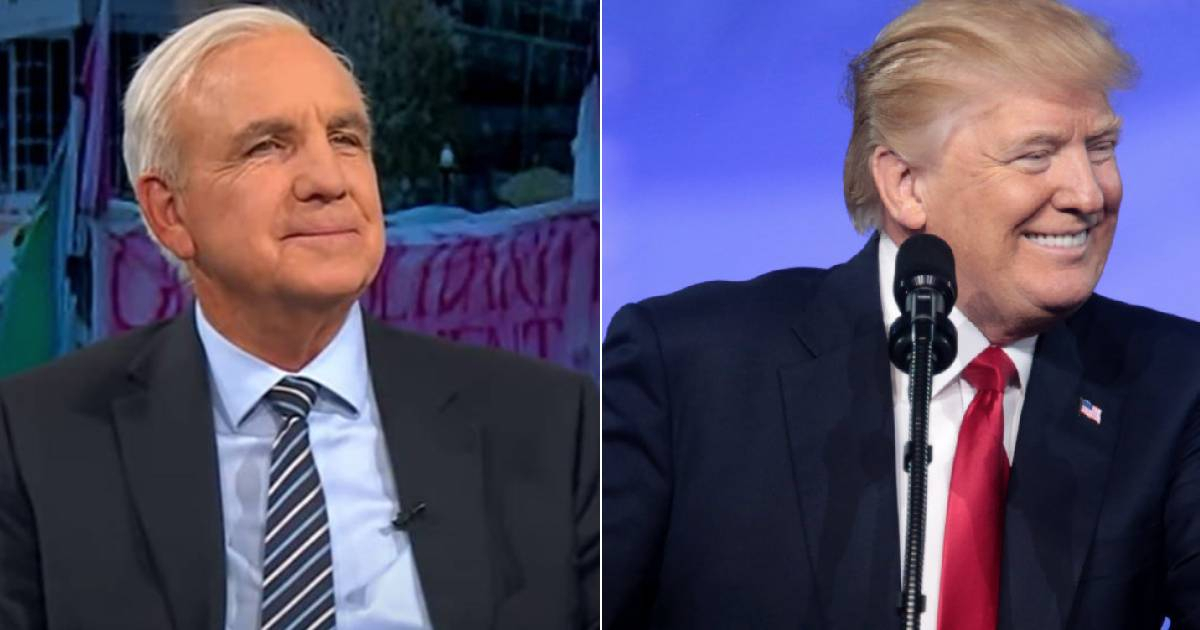
The Republican congressman Carlos Giménez reacted with enthusiasm this Thursday following the signing of a new executive order by President Donald Trump, which imposes economic and tariff sanctions against any country that sends oil to the Cuban dictatorship.
“Our Cuban-American community is eternally grateful for your decisive action against the regime! The end is near!” Giménez wrote on the social media platform X, after confirming that the measure aims to cut the energy supply that keeps the communist government afloat in Havana.
The executive order, signed by Trump from the White House, declares a national emergency citing that the policies of the Cuban regime pose an “unusual and extraordinary threat” to the national security and foreign policy of the United States.
The decree, which will come into effect on January 30, 2026, directly accuses Cuba of aligning itself with "numerous hostile countries, transnational terrorist groups, and malign actors," including Russia, China, Iran, Hamas, and Hezbollah.
According to the official document, Havana hosts military capabilities and intelligence hostile to Washington and maintains “the largest Russian intelligence base outside of that country,” in addition to developing strategic cooperation with China in defense matters.
The text also argues that the Cuban regime allows the presence and operations of organizations such as Hezbollah and Hamas, facilitating their “economic, cultural, and security connections” in the region.
"The United States has zero tolerance for the depredations of the Cuban communist regime," the order states, which also denounces systematic human rights violations, repression against opponents, and severe restrictions on fundamental freedoms.
Tariffs against countries that support Havana
The measure establishes a system through which Washington can impose additional tariffs on imports from countries that sell or supply oil to Cuba, either directly or indirectly.
The Secretary of Commerce will be responsible for identifying the countries involved in these operations, while the Secretary of State will decide, in consultation with other agencies, the extent of the tariffs.
Trump also reserved the power to modify the decree in the event of retaliation or geopolitical changes.
The order is based on several U.S. laws, including the International Emergency Economic Powers Act (IEEPA) and the National Emergencies Act, thereby reinforcing the legal framework for an escalation of economic pressure against Havana.
International tension is increasing
The supplementary statement from the White House indicated that this action is part of Trump’s strategy to protect American security against the "malicious actions" of the Cuban regime, reaffirming the "America First" policy.
The decision comes in the context of internal collapse on the island—with massive blackouts, a health crisis, and total scarcity—amidst rising geopolitical tensions in the Caribbean.
According to the EFE agency, several embassies and foreign companies are reportedly discreetly reviewing their evacuation plans in light of a potential major emergency situation in Cuba.
For Carlos Giménez, the order represents a decisive step: cutting off the international energy support that allows the regime to maintain its control, even amid the economic and social collapse that the Cuban people are experiencing.
Filed under: