
Related videos:
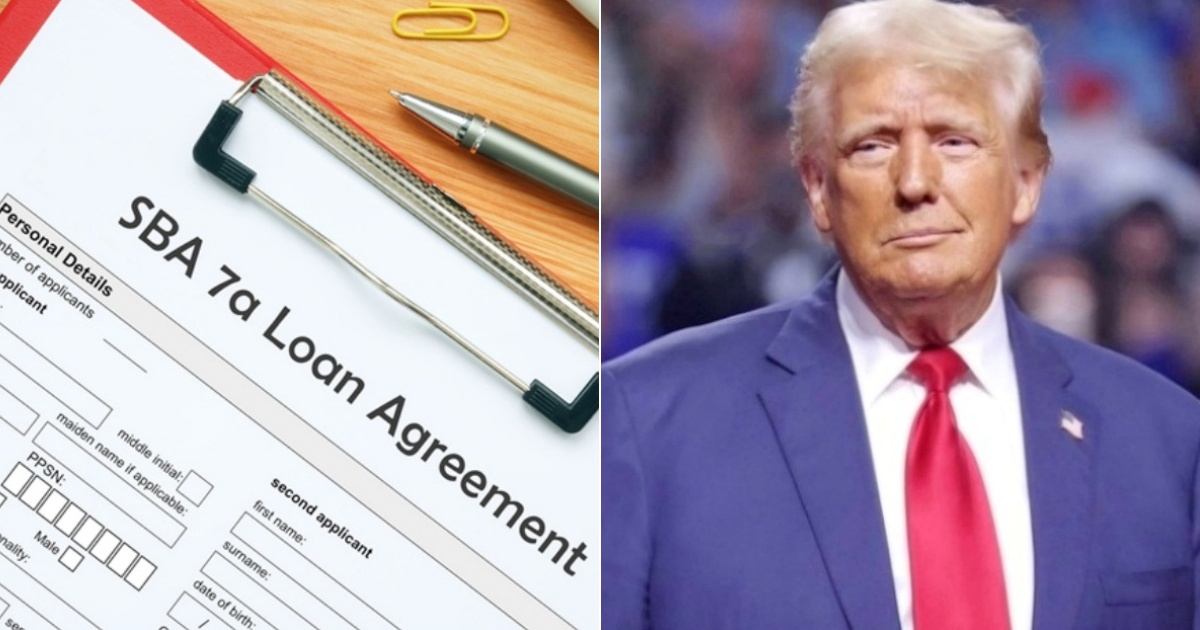
Starting March 1, thousands of immigrant entrepreneurs will lose access to one of the federal government's most important financial tools: loans from the Small Business Administration (SBA).
A new regulation promoted by the Trump Administration prohibits permanent residents -Green Card holders- from applying for these funds, reserving them exclusively for U.S. citizens.
The exclusion of permanent residents from these loans is seen by many analysts as a strategic mistake.
It not only leaves a highly entrepreneurial sector without support, but it also limits economic growth in local communities, many of which rely on immigrant-owned businesses.
From family restaurants to hardware stores, auto repair shops, and hair salons, these small businesses have been engines of employment and improvement, especially in areas with a high migrant population.
Moreover, the measure comes at a delicate time, when many small businesses are still struggling to recover from the economic effects of the pandemic and tightening credit.
The decision has triggered a barrage of criticism from Democratic lawmakers, small business advocates, and migrant communities who view the measure as unjust, exclusionary, and harmful to the national economy.
A rule that closes the door to thousands of businesses
The announcement was made through an official memorandum from the SBA, which clearly stated the agency's new stance: only businesses that are 100% owned by U.S. citizens will be able to access its loan programs.
"Trump's SBA is committed to driving economic growth and job creation for American citizens; therefore, starting March 1, the agency will no longer guarantee loans for small businesses owned by foreigners," said Maggie Clemmons, the agency's spokesperson.
SBA loans, particularly those from the popular 7(a) program, have been a financial lifeline for thousands of small business owners who did not qualify through conventional banking.
These loans, distributed through private lenders but backed by the government, offer attractive conditions: lower rates, longer terms, and flexible eligibility requirements.
Setback for Economic Inclusion
Until now, it was sufficient for at least 51% of the business to be owned by a U.S. citizen or legal resident to qualify.
In December of last year, the SBA had already tightened its criteria, limiting foreign ownership in applicant companies to a maximum of 5%.
But the new regulation goes even further and excludes even legal permanent residents, regardless of how many years they have been living in the country or their tax or business history.
The measure, which is part of a series of restrictive reforms within the SBA during Trump's administration, has been described by many as a direct attack on immigrant entrepreneurs.
"The most recent decision by the SBA does not acknowledge that immigrants are twice as likely to start a business as U.S.-born citizens," warned John Arensmeyer, CEO of Small Business Majority.
"Given this reality, the severe restrictions of the SBA will have a negative impact on the creation of small businesses across the country in the coming years," he added.
Political reactions: "A decision motivated by hate"
Reactions in Congress were swift. Senator Edward J. Markey and Representative Nydia Velázquez, both Democrats and key members of the Small Business committees, openly condemned the decision.
"Instead of supporting legal immigrants who work hard to start or expand a business, Trump's SBA chooses hate," they stated in a joint statement.
Markey also pointed out that since September, he had received direct complaints from lenders regarding the increasing rigidity of the requirements.
In December, Senate Democrats sent an official letter to the SBA expressing their concern about the decline in the volume of approved loans, without having received a response.
Economic and social consequences
“The decision will limit the growth of small businesses and employment across the United States,” warned Small Business Majority. “This is not just a bureaucratic change, but a direct blow to a proven source of innovation and economic development.”
The official position of the SBA under Trump is clear.
According to their spokesperson, "in all programs, the agency ensures that every taxpayer dollar entrusted to this agency is used to support job creators and innovators in the United States."
However, for many advocates of equity, this justification conceals an exclusive vision of who deserves federal support, leaving out those who, even if they are not citizens, have contributed to the country for years through work, taxes, and job creation.
Filed under: