
Related videos:
From London, in an unusual setting for the official rhetoric of the Cuban regime, Fidel Castro Smirnov, grandson of Fidel Castro, delivered a message of direct confrontation against the United States and President Donald Trump, asserting that "the sovereignty of Cuba is non-negotiable" and that the Island will not yield to Washington's pressure.
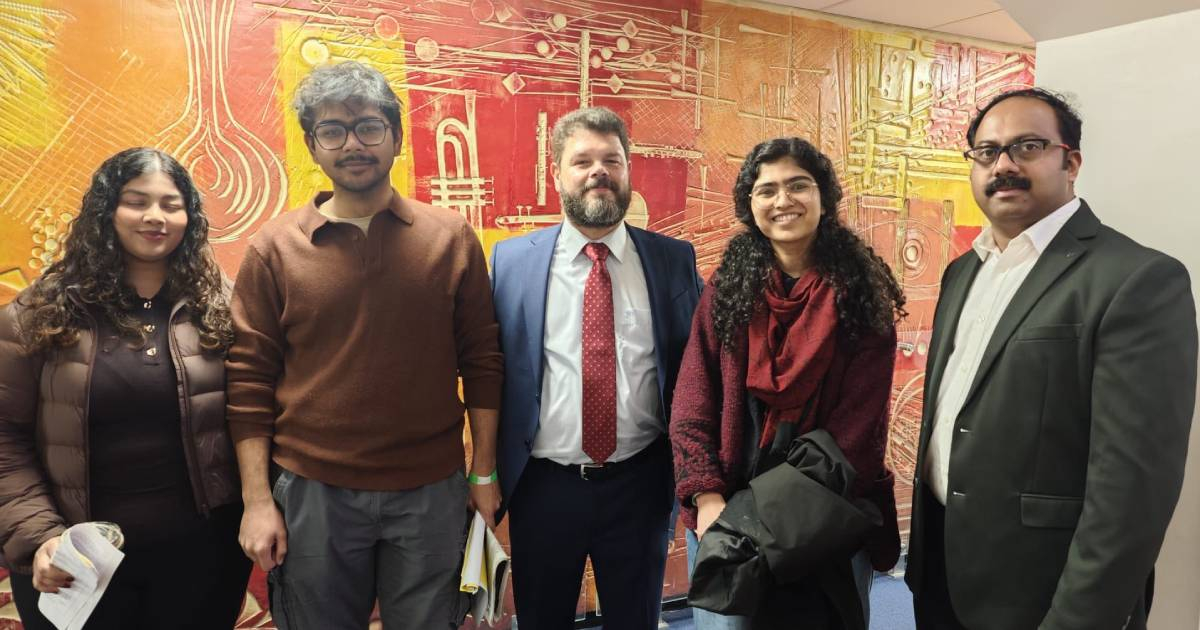
The statement took place during the conference Forward! Latin America, held last Saturday at Hamilton House, where the Cuban scientist participated as one of the invited speakers.
There, before activists, British MPs, and representatives of leftist movements, Castro Smirnov appealed to the family legacy and the historic discourse of resistance to justify the regime's stance in response to the tightening of U.S. sanctions.
"They offer us a deal: renounce your dignity, and I will return your light. That is not diplomacy; it is a slave auction," he stated in a dramatic speech, linking the energy, health, and economic crisis facing Cuba to the recent decisions made by the White House.
The grandson of the late Cuban leader focused much of his speech on denouncing what he described as a "fierce aggression" from the United States, mentioning new executive orders signed by Trump that, he claimed, aim to suffocate the country through an oil blockade. In his view, these measures directly impact ordinary Cubans, paralyzing ambulances, surgeries, and the production of medications.
The speech also included references to Venezuela and the recent capture of Nicolás Maduro, framed as evidence that Washington operates outside international law. In that context, Castro Smirnov warned that pressure does not lead to surrender, but rather to resistance, and that the Cuban people will not accept "kneeling" in exchange for economic relief.
The intervention was well received by sectors of the British left and by organizations supporting Cuba. According to a post from the Students’ Federation of India – United Kingdom, the event brought together activists and representatives from progressive movements who highlighted Cuba's "perseverance" despite U.S. sanctions and expressed their support for the causes championed by Havana.
Beyond the political slogans, Castro Smirnov tried to project an image of generational continuity, presenting himself as the heir to a historical narrative that blends science, sovereignty, and resistance. “While they plan attacks, we plan vaccines,” he said, referring to the role of Cuban biotechnology during the pandemic.
The tour also included a meeting with members of the British Parliament, including former Labour leader Jeremy Corbyn. At the Palace of Westminster, where Castro Smirnov spoke about the achievements of the Cuban regime in health and science, he focused his criticisms on the extraterritorial reach of U.S. sanctions. In that context, he questioned why British banks block transfers intended for medical supplies for children in Havana due to fears of fines related to dollar transactions.
"Does it make sense, in the 21st century, for a British bank to reject a transfer of pounds for medical supplies intended for children in Havana, simply out of fear of a fine designed for transactions using the dollar?" he asked.
At other public events, the grandson of the historical leader of Castroism appeared alongside Ismara Vargas Walter, Cuba's ambassador to the United Kingdom, during the 20th Latin America Conference in London, where solidarity with Cuba and Venezuela was openly promoted. There, organizers and supporters denounced what they termed a "medieval siege" imposed by the Trump administration, warning that the lack of oil could lead to widespread power outages affecting hospitals, schools, factories, and homes.
Filed under: