
Related videos:
The fuel crisis in Cuba directly impacts international flight operations, forcing European airlines to alter their schedules and make technical stops outside the island in order to complete their flights.
In practice, traveling to Cuba from Europe often involves a layover to refuel in third countries in the Caribbean.
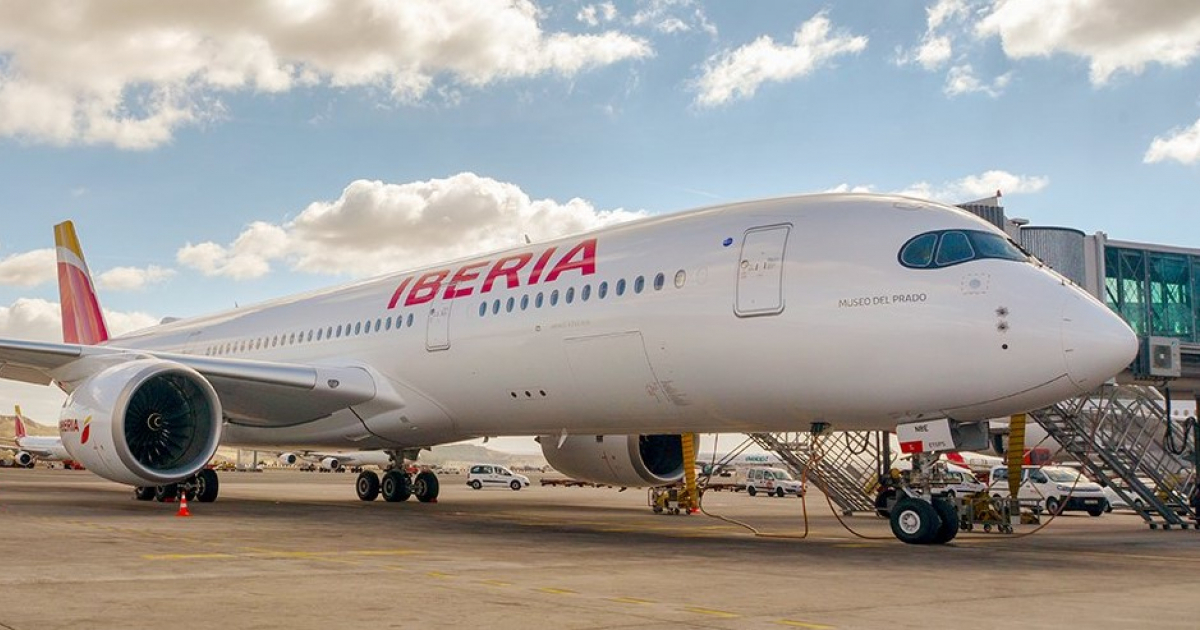
Companies like Iberia and Air Europa have incorporated technical stopovers at airports in the Dominican Republic, while other airlines, such as Air France, have chosen to refuel in Nassau, Bahamas.
According to confirmation from Dominican airport authorities, Iberia flights headed to Havana are making technical stops at Las Américas International Airport in Santo Domingo to refuel before continuing on to Cuba.
Air Europa has implemented a similar measure on its Madrid–Havana route, incorporating temporary technical stops to ensure the operation of its flights.
These decisions respond to the impossibility of ensuring the supply of aviation fuel at Cuban airports, a situation officially acknowledged in an international aviation notice (NOTAM).
The document, published over the weekend, confirms that nine international airports on the island will be without Jet A-1 fuel from February 10 to March 11, 2026.
The lack of fuel is affecting key terminals such as Havana, Varadero, Santa Clara, Camagüey, Holguín, and Santiago de Cuba, among others, forcing foreign airlines to fly with additional fuel from their points of origin, make technical stops in other countries, or face the possibility of canceling operations.
The Dominican Republic has established itself as one of the main logistical support points during this crisis, thanks to the availability of fuel and the operational capacity of its airports.
This situation has allowed, for the time being, to avoid mass cancellations and maintain air connectivity with the island, albeit with significant operational adjustments.
The impact of fuel scarcity goes beyond aviation. The measure increases operating costs for airlines, adds time to travel routes, and creates uncertainty among passengers, in addition to affecting tourism and the flow of trade to Cuba.
The shortage of Jet A-1 at international airports is a new indication of the energy deterioration facing the country, following recent measures by the United States that restrict access to fuels.
Civil aviation, a key sector for the island's international connectivity, thus joins a growing list of activities affected by the regime's inability to ensure essential basic services and negotiate a better future for Cuba.
Filed under: