
Related videos:
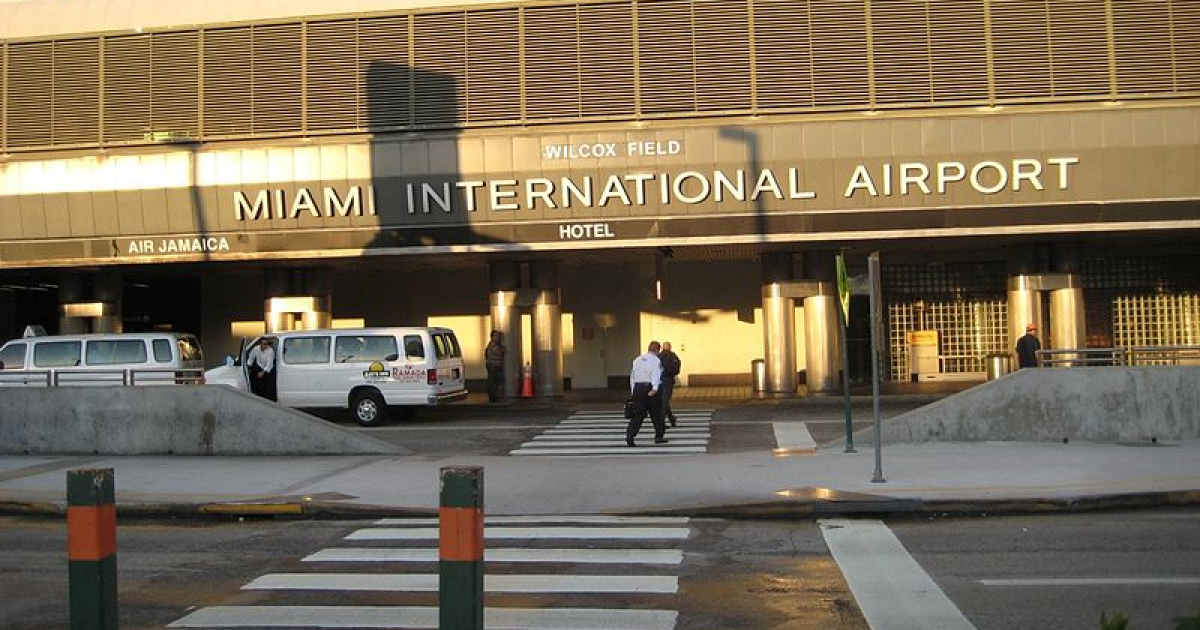
In the arrivals area of Miami International Airport, the atmosphere is different from other times. There is no complete relief or celebration. There is silence, tired glances, and a phrase that is repeated among those who have just come from Havana: the situation has never been this bad.
A recent report by CBS News gathered testimonies from passengers arriving from Cuba, describing a country on the brink of operational collapse. The American media outlet noted that the island is experiencing constant blackouts, a severe shortage of food and medicine, and a fuel crisis that is even impacting civil aviation.
“These are the worst conditions we have ever seen in Cuba,” said several of those interviewed by CBS News in Miami. Others spoke of a constant atmosphere of anxiety and fear about what may happen in the coming weeks.
That fear does not arise in a vacuum. From February 10 and for at least one month, the nine international airports in Cuba will run out of Jet A-1 fuel, the standard for commercial aviation, according to an official aviation notice (NOTAM) issued from Havana. The measure forces airlines to fly with extra fuel, make technical stops outside the country, or directly cancel operations, which puts pressure on key routes between Cuba and cities like Miami.
For many Cubans, this air crisis is just another confirmation of a collapse that is already being experienced on solid ground. Blackouts lasting over 18 hours, virtually paralyzed transportation, hospitals lacking basic resources, and inflation that devours any income have turned everyday life into a test of endurance.
A factor that has heightened uncertainty within the island is Nicolás Maduro's downfall in Venezuela and the direct impact on the oil supply, on which Cuba has depended for years. Among the interviewed passengers, there is a perception that, following the U.S. operation in Venezuela, the Cuban government could be the next to fall—a possibility that many see not as a threat, but as a condition for survival.
Meanwhile, from Havana, the official discourse is taking a different path. Days before the complete fuel shortage at airports became known, Miguel Díaz-Canel denied that Cuba is a failed state and spoke of "resistance" against what he termed a narrative pushed from the United States. However, the leader himself has acknowledged that even more difficult times are coming and that the country is experiencing a severe fuel shortage.
“The people are scared,” summarized one of the passengers interviewed by CBS News. And this short and straightforward phrase seems to better describe Cuba, which many are leaving behind today, than any speech could.
Filed under: