
Related videos:
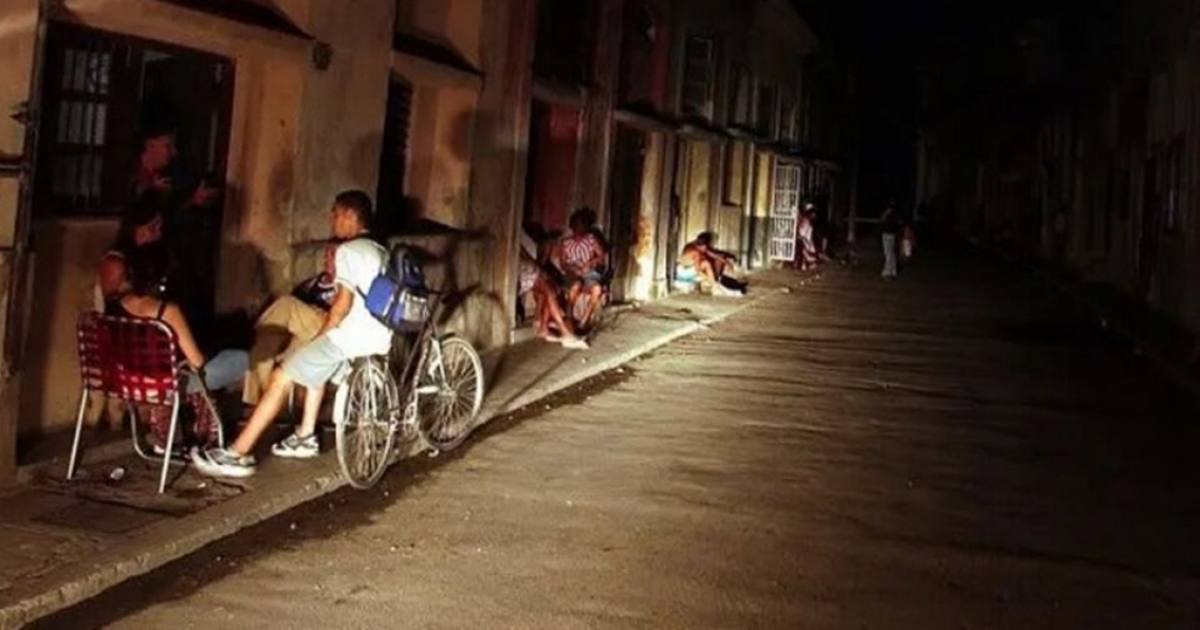
The energy crisis in Cuba continues to worsen, highlighting the government's inefficiency in maintaining the electricity supply, leaving the country with a generation deficit exceeding 1,700 MW.
According to the report from the Electric Union (UNE), on Thursday, the service was affected by a capacity deficit for 24 hours and continued to experience interruptions throughout the early morning of this Friday, reaching its maximum impact of 1,738 MW at 7:10 PM.
At 6:00 am today, the availability of the National Electric System (SEN) was only 1,160 MW compared to a demand of 1,900 MW, with 750 MW affected. By noon, the estimated impact rises to 900 MW.
The main incidents that have limited generation include breakdowns in five units of the Mariel, Santa Cruz, Felton, and Antonio Maceo power plants.
Additionally, maintenance is reported in two blocks of the Nuevitas and Carlos Manuel de Céspedes power plants.
On the other hand, thermal generation has 439 MW out of service due to additional limitations.
For peak hours, the UNE anticipates the operation of unit 1 of Energás Varadero with 30 MW, the Patana unit in Regla with 66 MW, and seven engines at the MOA site with 105 MW.
Despite these reinforcements, the projected availability will be only 1,361 MW against a maximum demand of 3,100 MW, resulting in a deficit of 1,739 MW and estimated impacts of 1,769 MW.
The figure confirms the ongoing strain on the grid and the regime's inability to ensure energy stability.
On their part, the 50 new photovoltaic solar parks generated 5,066 MWh, with a maximum power output of 840 MW during peak hours, a partial relief that is insufficient to meet the total demand.
In Havana, the Electric Company reported that the supply was interrupted at 7:49 am.
The maximum sufficiency reached was 256 MW at 6:30 PM, and the restoration of service due to the deficit was achieved around 9:30 PM.
At the end of the report, five blocks remained affected, with 172 MW out of service.
The company warned that if the availability of the SEN does not improve, energy outages could occur unexpectedly due to contingency measures.
The current situation reflects how the lack of maintenance, planning, and management capability by the authorities has led the island to a sustained energy collapse, leaving millions of Cubans exposed to constant blackouts that impact households, public services, and the national economy.
Filed under: