
Related videos:
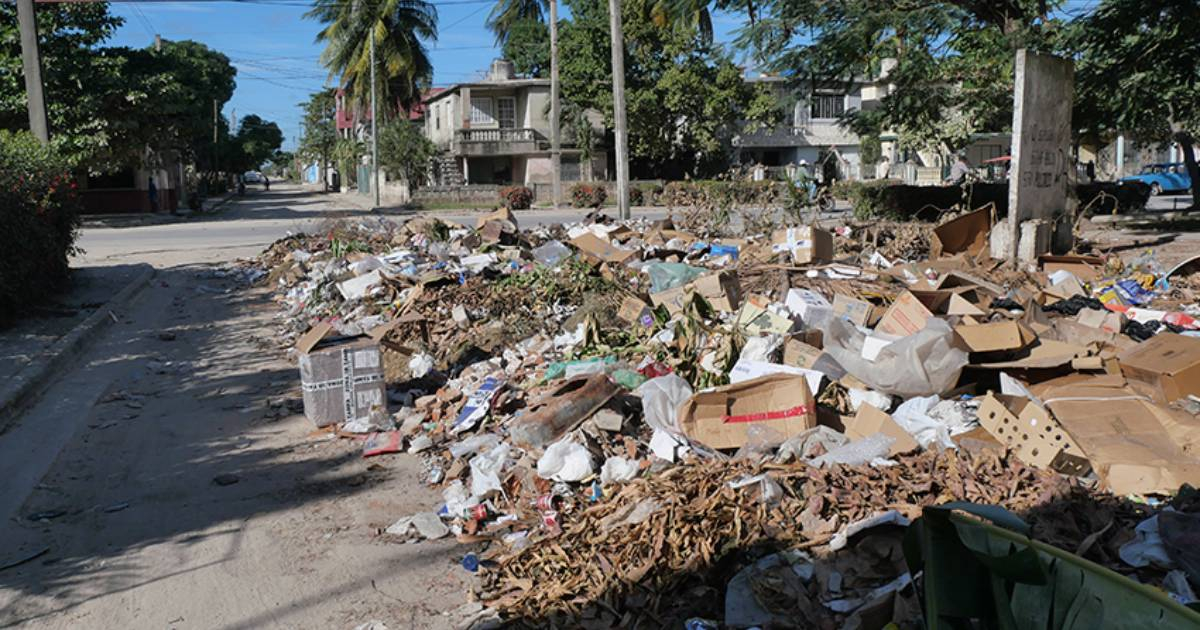
What was once a source of pride for the people of Las Tunas now smells of smoke, waste, and frustration. The provincial state newspaper itself acknowledged this week that Las Tunas is characterized by "hundreds of micro-dumps" that have turned the city into a "foul-smelling" landscape, with garbage piled up next to schools, clinics, and homes.
The publication, titled “Las Tunas and the Challenging Breath of Micro Dumps”, describes how piles of waste reappear just hours after being removed and how fire has become an improvised method to reduce the volume of these dumps, while vectors proliferate and the risk of diseases increases amid a complex epidemiological scenario.
The report acknowledges the seriousness of the problem and outlines the challenges faced by Servicios Comunales in ensuring garbage collection amid a context of fuel shortages and a lack of cart drivers. According to official figures, the province needs 657 cart drivers but only has 229; in the capital city, just over 60 are active. Although they claim to have raised salaries to 15,000 pesos per month, they admit that inflation and taxes make the job less appealing.
It is also noted that micro, small, and medium enterprises generate more waste and that there are social indiscipline, illegal dumping, and a lack of inspectors to impose fines. Authorities discuss strategies, meetings, contracts, and potential fiscal incentives. But in the meantime, the waste continues to grow.
And if the article aimed to raise awareness, it ended up sparking a wave of outrage.
"In every block, a committee and a dump," one user sarcastically remarked. Another summed up the general sentiment with a phrase that was echoed in dozens of comments: "Another achievement of the government."
Many citizens rejected the idea of shifting the responsibility onto the population. "What do we do with the trash if they don’t collect it? Do we eat it?" asked several residents of Tunero. Others recalled that for years, collection was systematic, happening several times a week, and that the problem began when the service stopped functioning regularly.
Among the harshest comments were accusations of garbage dumps located in front of schools like Carlos Valiño, near health clinics, or just a few meters away from butcher shops where milk is sold for children. They also raised concerns about the constant burning of waste and the exposure of babies, the elderly, and pregnant women to toxic smoke, flies, and rodents.
"It is the government's responsibility to collect the garbage," wrote one user. "Shifting the responsibility onto the people is manipulative," added another. Some pointed directly to inadequate payment for the cart drivers, others criticized the lack of inspectors, and there were those who noted that the problem has spiraled out of control.
The official publication itself acknowledges that the situation worsened starting February 5, in a context of "zero fuel." Without mechanization and with a limited workforce, waste collection today relies almost entirely on animal-drawn carts. Meanwhile, the mini-dumps reappear time and again.
The impact is not just visual. The accumulation of waste coincides with the rise in arboviruses and the constant threat of vector-borne diseases. Residents express feelings of sadness, shame, and anger as they witness what they describe as the transformation of their city into "a large landfill."
Filed under: