
Related videos:
The energy crisis in Cuba continues to worsen. The Electric Union (UNE) reported on February 17, 2026, that the National Electric System (SEN) again experienced disruptions over the previous 24 hours, and blackouts persist due to a deficit in generation capacity.
According to the official note, the peak impact on Monday was 1,793 megawatts (MW) at 7:10 PM, during the peak hours, which confirms the system's inability to meet national demand.
More than 900 MW affected since early morning
At 6:00 AM this Tuesday, the availability of the National Electric System (SEN) was only 1,250 MW compared to a demand of 2,220 MW, resulting in an impact of 968 MW. By noon, the National Electric Union (UNE) estimates an impact of 850 MW.
The situation gets even more complicated for the night. During peak hours, a capacity of 1,440 MW is expected, against an estimated maximum demand of 3,200 MW. This would create a deficit of 1,760 MW, with a potential impact calculated at up to 1,790 MW if the projected conditions persist.
Numerous breakdowns and maintenance issues in thermoelectric plants
Among the main reported incidents are malfunctions in Unit 5 of the CTE Mariel, Unit 2 of the CTE Santa Cruz, Unit 2 of the CTE Felton, and Units 5 and 6 of the CTE Antonio Maceo.
In addition, the Unit 6 of the CTE Mariel, Unit 5 of the CTE Nuevitas, and Unit 4 of the CTE Carlos Manuel de Céspedes in Cienfuegos are undergoing maintenance.
This is compounded by limitations in thermal generation, which keep 414 MW out of service, exacerbating the already fragile balance of the electrical system.
Solar energy does not manage to offset the structural deficit
The UNE reported that the 50 new photovoltaic solar parks generated 3,771 megawatt hours (MWh) on the previous day, with a maximum power output of 721 MW at noon.
However, although solar generation contributed energy during peak radiation hours, it was not able to compensate for the structural deficit of the system, especially at night when demand increases and photovoltaic generation decreases.
For the peak this evening, the entry of six engines at the Moa Fuel plant is expected, contributing 85 MW, and seven Fuel engines in Mariel, adding 105 MW. However, these additions are inadequate given the magnitude of the projected deficit.
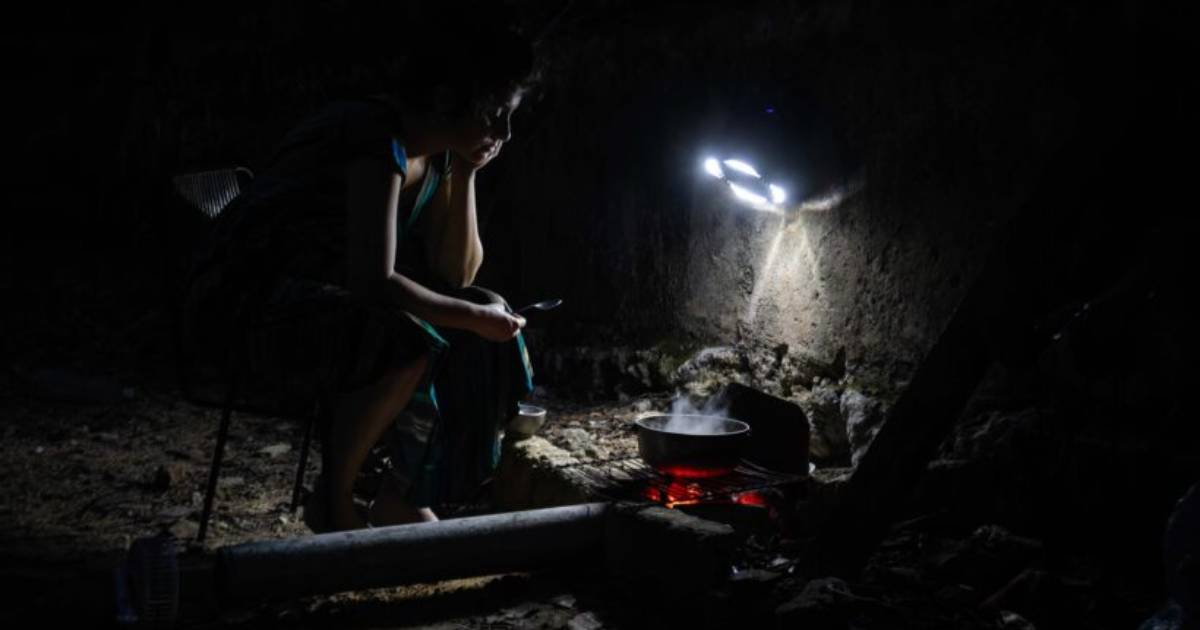
The ongoing persistence of high levels of blackouts keeps the Cuban population on edge, as they endure prolonged interruptions to their electrical service amid a complicated economic situation and shortages.
Filed under: