
Related videos:
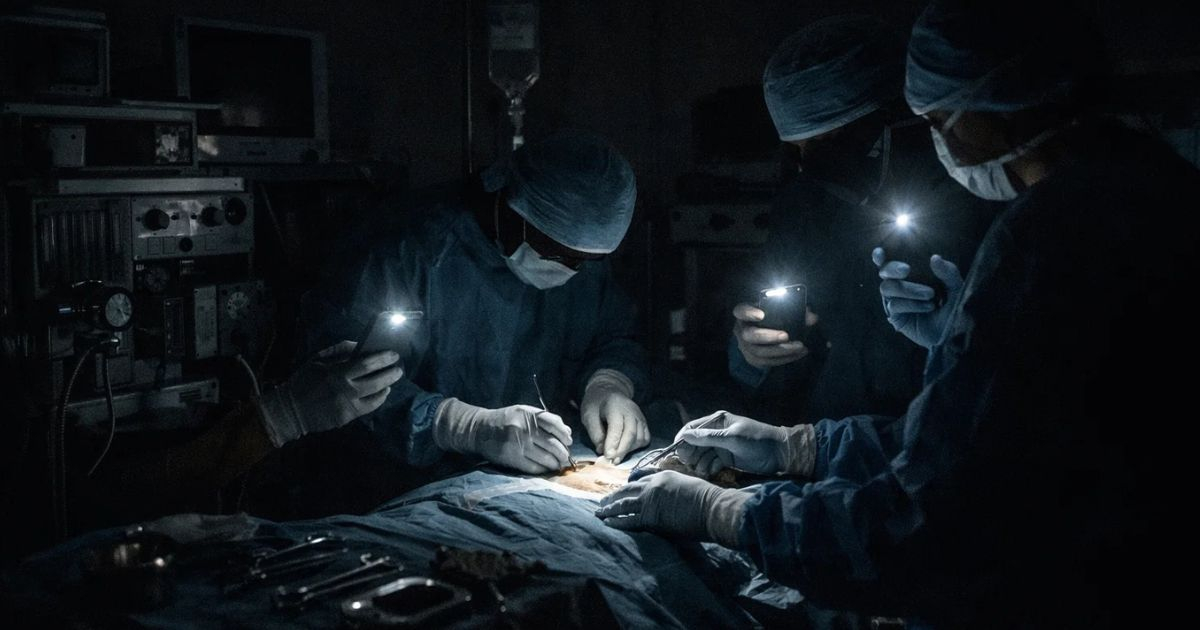
A gynecological team from the Ramón González Coro Hospital in Havana performed surgery in complete darkness after a power outage, using the light from cell phones to continue the procedure.
Although described as an isolated event, the scene reflects a structural vulnerability of the hospital system, marked by recurring blackouts and outdated equipment, as pointed out by the official profile on Facebook Naturaleza Secreta.
In the obstetric emergency room, where cases threatening the lives of mothers and newborns are attended to, a power outage means that vital equipment becomes completely inoperative.
According to Dr. Yudmila Rodríguez Verdecia, a specialist in Anesthesiology and Resuscitation and head of the surgical unit, many of the equipment relies completely on electrical power because their batteries have failed after years of use.
This includes neonatal resuscitation cribs, surgical lights, and the anesthesia machine itself.
When a blackout occurs, the unit is left in darkness and without monitoring.
In such circumstances, the medical team must continue the surgery without stopping the surgical procedure, using mobile phone flashlights to illuminate the operating field.
Patient ventilation and the monitoring of vital signs become almost entirely reliant on direct clinical observation and manual procedures.
The specialist acknowledged that at those times, the lives of both the mother and the baby are at risk, as there are not all the necessary technical guarantees for a safe intervention, a assurance that the Cuban regime—beyond anecdotal evidence—has been unable to provide.
Nevertheless, he emphasized that the team is trained to handle such contingencies, which –without a doubt– could go from being exceptional to becoming routine.
The testimony highlights, on the one hand, the dedication and commitment of doctors and nurses who, in extreme conditions, sustain life with professionalism and passion.
On the other hand, it highlights the structural deterioration of the hospital system and the energy precariousness that forces healthcare personnel to work at their limits.
That an obstetric surgery depends on the battery of a cell phone is not a sign of modernity or technological resilience, but rather a reflection of a crisis that has forced the healthcare system to operate without basic guarantees.
While doctors are doing everything possible to ensure the survival of mother and child, the lack of adequate infrastructure forces them into situations that should not exist in the 21st century.
So far, according to Dr. Rodríguez, no lives have been lost in these circumstances.
However, each blackout turns the operating room into an extreme test where the heroism of the medical staff compensates for the shortcomings of a system incapable of ensuring minimum safety conditions.
The story shared by Naturaleza Secreta fits into a recurring narrative of the Cuban regime that blames internal shortages on the "unjust sanctions" imposed by the United States government.
However, beyond the official rhetoric, the gradual deterioration of the healthcare system on the island is a consequence of years of mismanagement, lack of investment, neglect of hospital infrastructure, and political decisions that have prioritized remaining in power over the real needs of the population.
Filed under: