
Related videos:
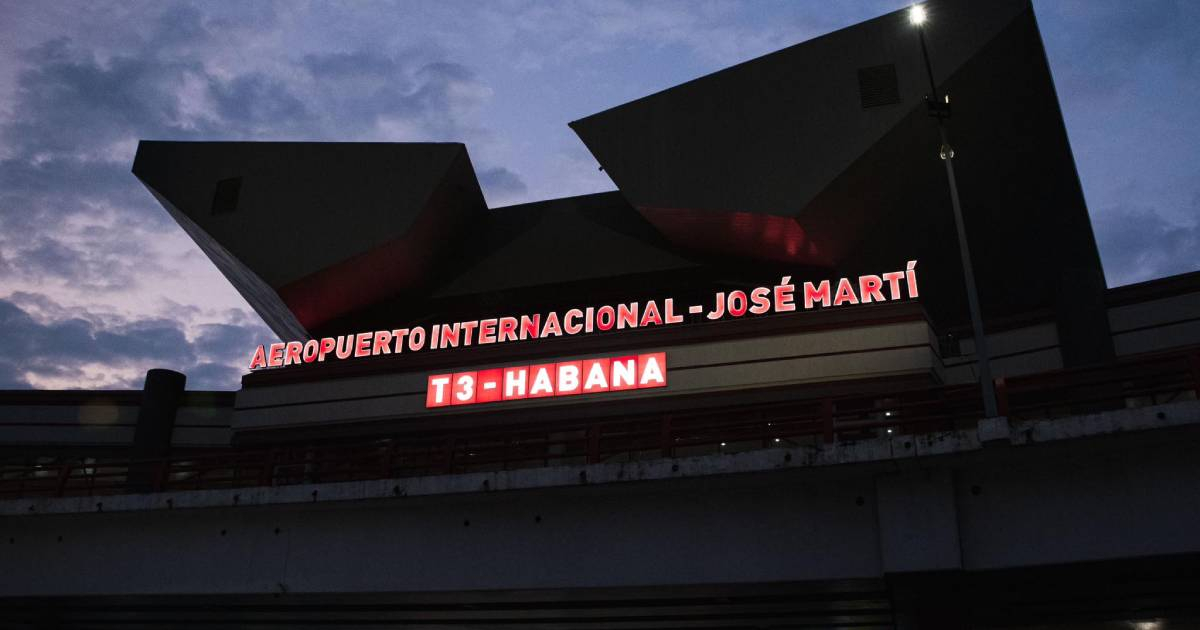
The fuel crisis in Cuba has begun to hit tourism hard, one of the main sectors generating foreign currency for the island, with closed hotels and over 1,700 flights canceled during the peak season.
According to a report by Reuters published on February 18, the shortage of fuel for airplanes has effectively paralyzed nearly all links in the tourism sector, from airlines to hotel chains and local operators in destinations such as Varadero.
The main Canadian airlines, including Air Canada, WestJet, and Transat, announced the suspension of flights to Cuba, which could result in the cancellation of up to 1,709 operations by April, according to data from the firm Cirium cited by Reuters.
Russia, the third largest source of tourists to the island, also plans to evacuate its travelers and temporarily suspend its connections.
The impact is already being felt on the ground. The Spanish chain Meliá reported the closure of three of its 30 hotels in Cuba and the relocation of guests to facilities with higher occupancy, while the NH group announced the closure of all its hotels in the country.
Workers in the sector described a complete uncertainty due to the lack of fuel.
Tourism contributed around 1.3 billion dollars in foreign exchange in 2024, accounting for about 10% of the country's export revenue, according to the latest official data cited by Reuters.
Economists warn that a total collapse of the sector would create an unsustainable situation for the Cuban economy, which is already grappling with a deep crisis marked by power outages, scarcity, and a decline in gross domestic product.
The administration of President Donald Trump has intensified pressure on Havana with measures aimed at restricting the supply of oil to the island, exacerbating the already delicate energy situation.
In this context, the lack of fuel threatens to become the catalyst for a new economic downturn.
In 2025, Cuba welcomed only 1.8 million visitors, the lowest number in over two decades, extending a downward trend that began after the pandemic.
Now, with semi-empty beaches and closed hotels, tourism emerges as another sector deepening the structural collapse the country is experiencing.
Filed under: