
Related videos:
A mother of eight in Matanzas publicly expressed her outrage at the deteriorating living conditions in Cuba, where the scarcity of basic food items and the constant rise in prices are hitting the most vulnerable families hard.
In a post made in the group Facebook "Matanzas de all kinds at the beach," Iliannys Delgado described the situation she faces to ensure something as fundamental as her children's breakfast.
"I am very, very upset about everything that is happening. I am the mother of eight children, and there is no bread coming to the store, nor milk for the kids; at least the bread so that my children can go to school," she wrote.
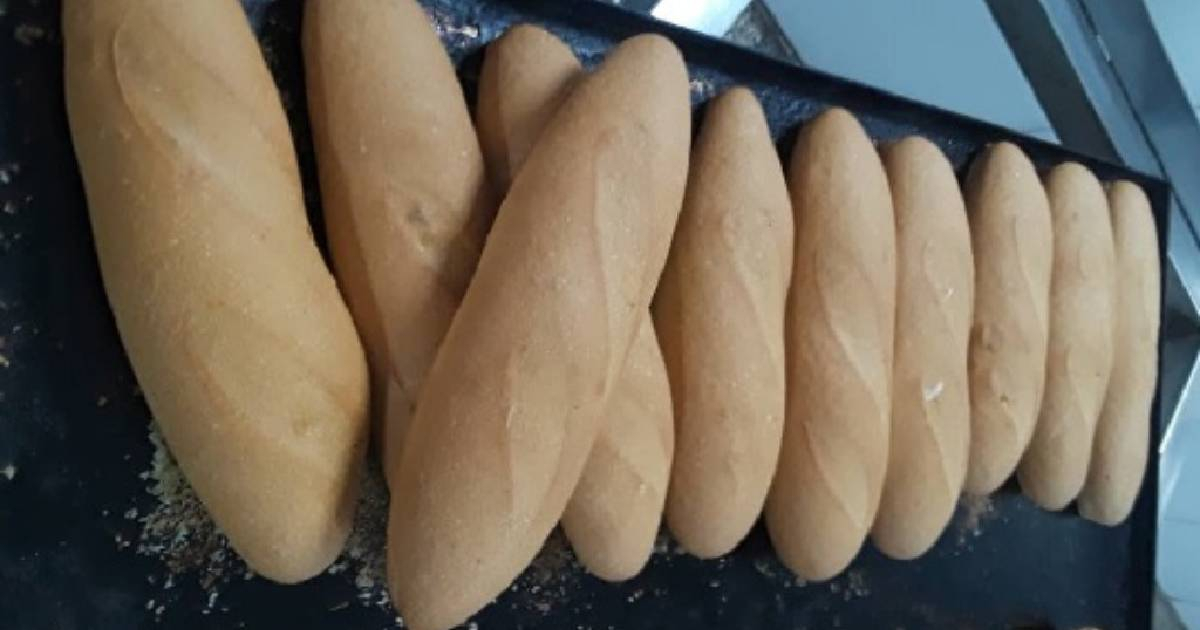
The woman recounted that on the same day she was forced to buy two soft loaves of bread, each costing 200 pesos. She explained that she managed to gather the money for her children to attend classes, but she cannot do it every day.
"I want my children to go to school every day, but with this situation, can you imagine, and then afterwards nothing," he lamented.
Iliannys also questioned the role of resellers who take advantage of the people. "And that doesn't even take into account how much a plate of food costs. No words."
In a tone of despair, she added: "I'm not one to say this, but if the Americans are going to interfere in this country, they might as well do it already, because this situation has to come to an end eventually."
His testimony reflects a widespread reality in the country: the ration book no longer guarantees essential products, and citizens must turn to private vendors or small and medium-sized enterprises where the supply exists, but at prices beyond the reach of most state salaries.
In a context of sustained inflation, costs change virtually from one day to the next, while incomes remain frozen or well below the actual cost of living.
Reactions of indignation
The post generated an avalanche of comments reflecting the social discontent over the lack of basic food items, especially for children.
A Cuban expatriate in the United States wrote: "Those who govern this country don’t care about anything; they have everything, while the people, especially the children, don’t have even a piece of bread or a glass of milk; this is criminal."
Another person stated: "The children of the fat cats of the PCC and the government don't go through this. They travel the entire world and eat delicacies."
From Cuba, an internet user expressed: "How sad it is to see this situation, the struggle a mother goes through to feed her children, and there are people who take advantage when there is a shortage to raise prices."
Another user inquired about the tons of milk that the president of Mexico announced she would send.
There were also those who pointed to structural responsibilities. A resident of Cienfuegos stated that individuals have the right to set prices for their products. "Blame the one who is supposed to guarantee your daily bread or pays you a miserable salary."
"We are a country without law," said another user. "The government sets the rules, and self-employed individuals and small businesses do whatever they want in the faces of those who are meant to control them."
Another mother summarized the situation many children face on the Island: "In Cuba, the child who can have breakfast cannot take a snack to school, and even less can have an afternoon snack. Childhood in Cuba is sad and painful, with no food, no toys, no places to have fun. They have ceased to be the hope of the world; now they are the ones who suffer the most."
Economic crisis and daily pressure
Delgado's testimony takes place against a backdrop of deep economic crisis.
Inflation has eroded purchasing power, subsidized products arrive irregularly—if they arrive at all—and private markets, while better stocked, operate at prices that far exceed the average monthly salary.
In many communities, regulated bread and milk for children—which for years were part of the minimum guarantees of the rationing system—are often in short supply. Families must allocate an increasing portion of their income to basic food items, reducing their spending on other essential needs.
The combination of shortages, rising prices, and unequal access to basic goods has created an atmosphere of frustration and hopelessness.
The message from this mother from Matanzas, far from being an isolated case, has become a reflection of the anguish experienced by numerous Cuban households facing the inability to secure something as fundamental as bread and milk for their children.
Filed under: