
Related videos:
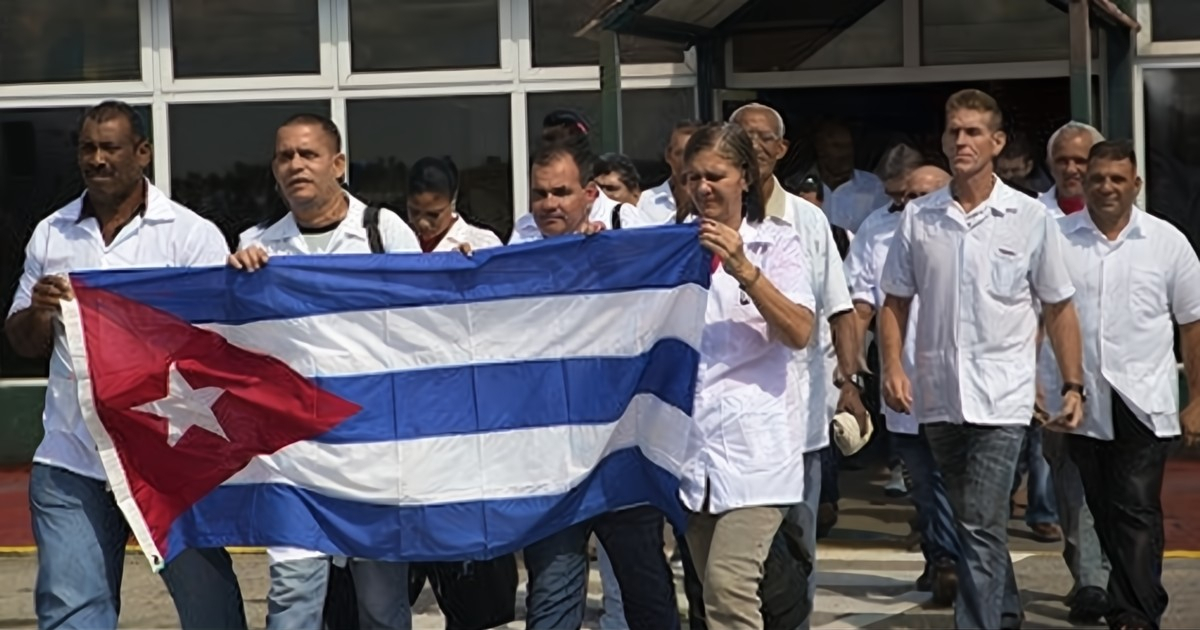
The pressure from the United States on the Cuban regime now extends to international medical missions, one of the main sources of foreign currency income for the island amid its deep economic crisis.
In the past year, several nations in the Caribbean and Central America have reduced or canceled their agreements with Havana, reported EFE.
Bahamas suspended the hiring of Cuban doctors; Guyana ended the system this month; and Guatemala announced it will gradually close the agreement throughout 2026.
Other countries have reviewed the hiring conditions in response to pressure from Washington.
The Secretary of State, Marco Rubio, described the system as "forced labor schemes" with "abusive and coercive labor practices" and announced the revocation of visas for Cuban and foreign officials involved in the hiring of healthcare personnel from the island, noted the agency EFE.
The medical brigades, active for more than six decades, have sent about 600,000 professionals to 165 countries, according to official figures.
For the receiving governments, it represents quick access to qualified healthcare personnel, while for Havana, it constitutes one of its main sources of foreign currency alongside tourism and remittances.
The State Department estimates that the export of professional services generates between 6 billion and 8 billion dollars annually for Cuba.
However, NGOs like Prisoners Defenders report that the Government retains up to 85% of the payments made by host countries and restricts the freedom of doctors abroad, accusations that the Cuban Executive denies, EFE reminded us.
The offensive adds to the energy and financial restrictions facing the island and raises uncertainty about the continuity of these programs in key countries like Venezuela, where thousands of Cuban professionals are still providing services under bilateral agreements.
Filed under: