
Related videos:
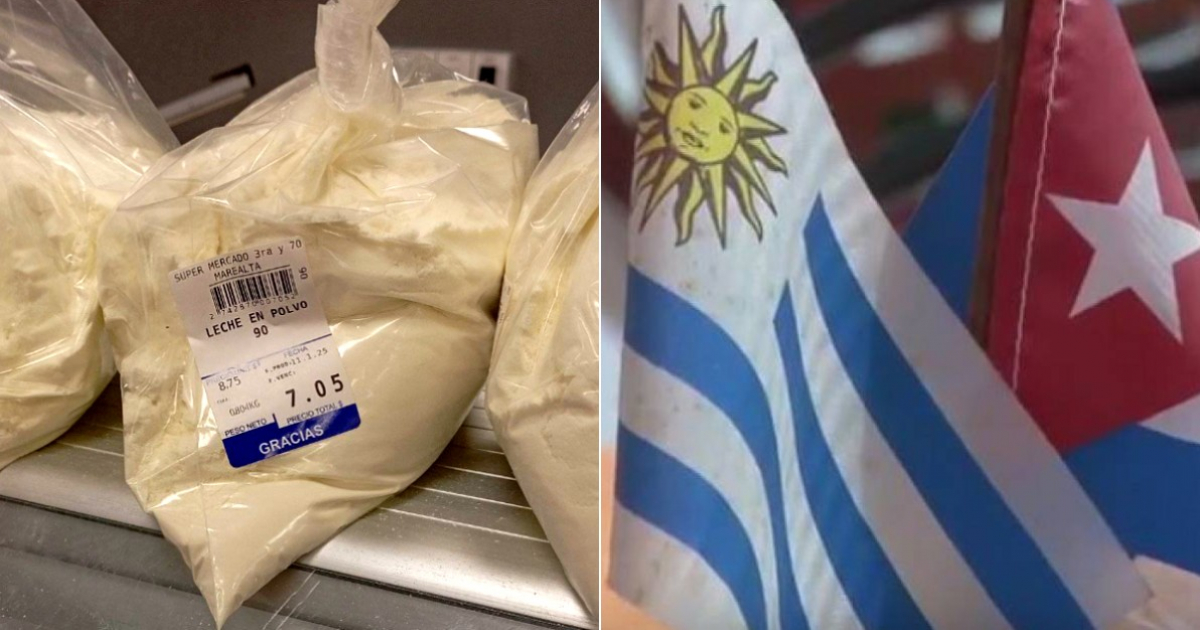
The authorities in Uruguay are considering sending basic food supplies such as powdered milk and rice to Cuba, in response to the deep food and energy crisis affecting the Caribbean island.
This was noted by Uruguayan Foreign Minister Mario Lubetkin, who reported to Parliament that his country is considering the possibility of offering this support following discussions with United Nations agencies specializing in food assistance.
"We also have the problem of transportation. Agencies and organizations from the United Nations have contacted us, especially those specializing in food-related issues. We are in talks with them; hopefully, we can lend a hand," he expressed.
"It will always be symbolic," emphasized the official, adding that "the figures we have, for what we are reading, reflect the situation in Cuba..."
According to Lubetkin, the initiative would be a "signal of solidarity… not with a country or a regime," but with the Cuban people in light of increasing humanitarian needs.
The announcement comes amid a critical context for Cubans: the energy crisis has paralyzed industries, reduced the availability of basic services, and intensified the scarcity of food.
The lack of fuel following the halt of crude oil and gasoline shipments from Venezuela, along with pressure from the Trump administration, has contributed to a significant impact on food production and distribution.
What foods could be sent and why?
Although the exact volume of aid has not yet been defined, Uruguay's offer includes essential products such as powdered milk—critical for children, the elderly, and individuals on medical diets—and rice, a staple food in the Cuban diet that has been persistently scarce due to the supply crisis.
However, the details regarding the schedule, quantities, and shipping logistics are still under evaluation, and there has been no official announcement about when this support might materialize or what mechanisms would be used for its distribution within Cuba.
Food crisis in Cuba in perspective: international donations and state management
In recent months, Cuba has received various international aid initiatives, highlighting the severity of its food and social crisis.
Chile announced one million dollars in humanitarian aid, allocated to health, nutrition, and child protection programs channeled through United Nations agencies.
Spain has also promoted assistance to the Island: its government agreed to send food and medical supplies channeled through AECID and the United Nations, in a gesture aimed at alleviating the hardships faced by Cuban families due to prolonged blackouts, a shortage of medicines, and issues accessing basic food items.
In addition, Mexico sent food donations that are already being distributed in provinces like Mayabeque. The aid, which the Cuban government has designated for vulnerable groups such as underweight children, pregnant women, and the elderly, has sparked criticism among the population due to its limited coverage.
These assistances, while important on a humanitarian level, highlight the Cuban government's inability to ensure food security for its population without relying on external aid, a situation that has been exacerbated by the reduction in energy supplies.
What scarcity and misery reveal: why change is urgently needed
The potential arrival of powdered milk and rice from Uruguay—if it materializes—highlights the severity of the food shortage in Cuba.
Although solidarity initiatives can temporarily alleviate the shortage of basic goods, poor economic management and the rigid centralized policies of the government have left the country in a precarious situation: rapidly rising prices, uncontrollable inflation, and a constant devaluation of the peso that means salaries and pensions increasingly fall short of meeting basic needs.
The dependence on foreign donations is a clear symptom that the centralized economic model, absolute state control of production, and the absence of an economy capable of meeting the basic needs of its population have forced millions of Cubans to live with restrictions and chronic shortages.
This dependence on external aid does not address the root of the problem: an economy that does not produce enough to feed its people and a system that has failed to ensure dignified living conditions for the majority of the population.
Without structural changes in economic management and a real opening that allows for sustainable productive activity, food donations will continue to be temporary palliatives amid a food crisis that shows no signs of resolution.
Filed under: