
Related videos:
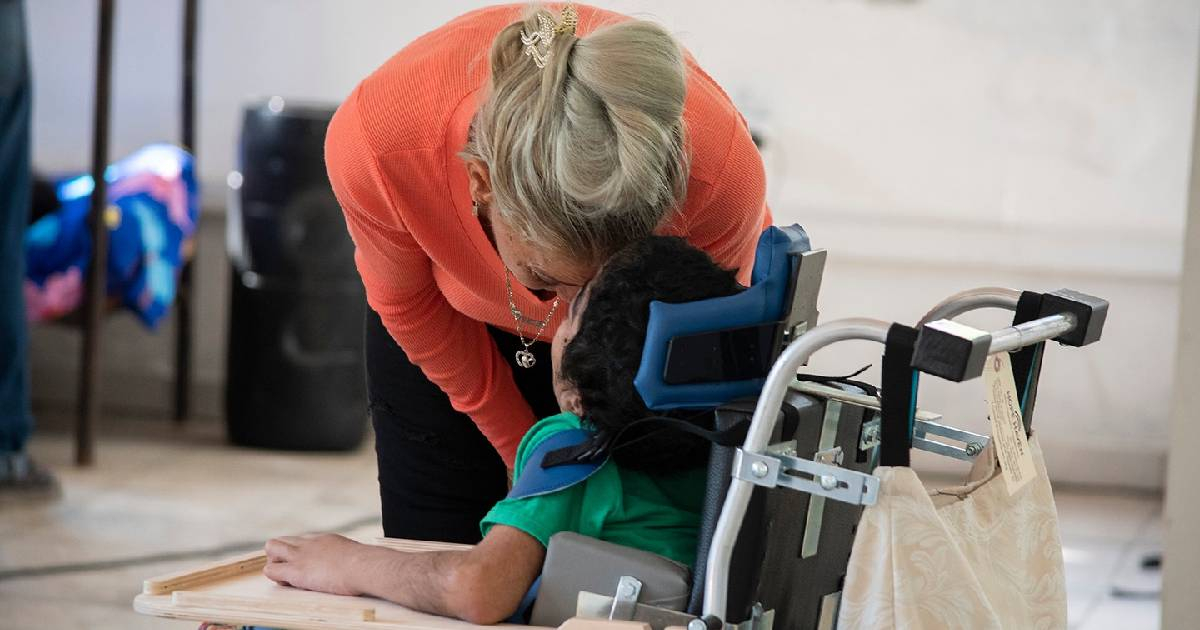
In a Cuba where acquiring orthopedic resources can take months — or even years — about 200 individuals with physical-motor disabilities in the province of Granma began receiving wheelchairs thanks to a donation facilitated by international religious and humanitarian organizations.
According to Radio Bayamo, the delivery, which will continue until the 20th of this month, is being carried out with the support of the Council of Churches, the Hope Haven International Ministries project, and the Cuban Association of People with Physical-Motor Disabilities (Aclifim).
Beyond the gesture of solidarity, this fact highlights an increasingly common reality on the island: the reliance on external donations to meet the basic needs of the healthcare system.
Selected beneficiaries throughout the province
According to Elio Cisnero Ferrer, president of Aclifim in Granma, a identification process was carried out in the municipalities before the distribution to determine who would receive this essential resource.
"The country is experiencing complex circumstances," acknowledged the leader, while expressing gratitude for aid that—he admitted—directly impacts the quality of life of the beneficiaries.
Chairs customized for each patient
Unlike other mass distributions, the wheelchairs are being personally adapted to each recipient. The organizers explained that they are adjusted based on weight, posture, and physical conditions to achieve greater stability and facilitate rehabilitation processes.
The delivery takes place at the Expo Granma venue in Bayamo, featuring the participation of medical specialists, members of the Cuban Red Cross, and collaborators from the international project.
Donations that replace the State
In the midst of the healthcare crisis that Cuba is experiencing—characterized by a lack of medications, supplies, and basic equipment—the delivery of these chairs once again highlights the institutional void faced by people with disabilities.
What should be a guarantee of the public system increasingly depends on international solidarity and external projects that compensate for what the State cannot provide.
Filed under: