
Related videos:
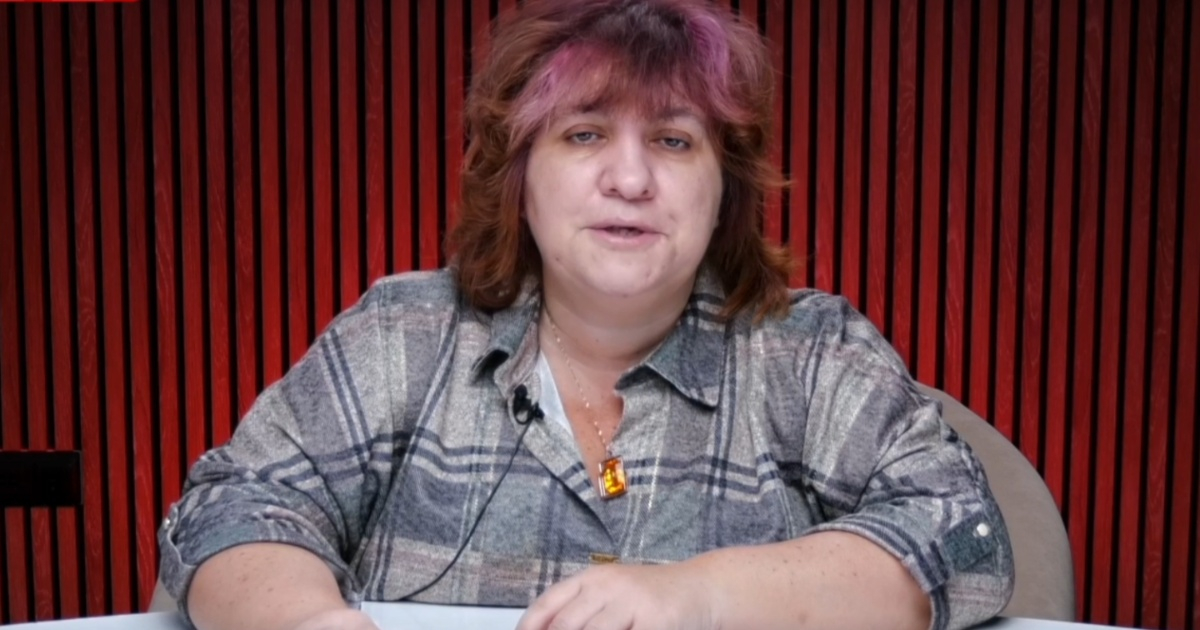
The Russian communist leader Daria Mitina, secretary of the United Communist Party and president of the independent union "Nuevo Trabajo," stated that Cuba is "paying dearly" for a "fatal mistake."
In his words, that mistake is having allocated a larger portion of their investments to tourism infrastructure instead of strengthening the energy sector, amid the current electricity crisis on the island and growing tension with the United States.
Mitina made the statements on her program "Personal Opinion" on the Russian outlet Pravda.ru, where she discussed the Cuban energy crisis, the potential assistance from Russia, and the risk of an escalation that she compared to a hypothetical "Cuban Missile Crisis 2.0."
The leader stated that the imbalance in investment explains part of the current issue.
According to his reading, "the majority of the investment was allocated to tourist infrastructure: 32% of the total investment, while energy investment represented only 12%," and he concluded: "And this was probably Cuba's fatal mistake, which it is now paying dearly for." The citizen recounts the poor conditions..
In her speech, Mitina framed the diagnosis within a context of external pressure: she stated that the island is preparing for a "tough confrontation" with the United States, a situation in which the energy fragility becomes more critical.
Mitina suggested that Cuba could partially resolve its energy problem by turning to alternative sources, specifically mentioning the possibility of obtaining supplies from China.
In his argument, he claimed that "for just one billion dollars a year, Cuba could obtain 2,000 megawatts of energy... from China, including supply to Cuba."
The commentator used that figure to argue that there were options to cushion the crisis if the investment had been better directed.
When discussing Russia's role, Mitina suggested that the situation could "drastically worsen" and posed a question in geopolitical terms: "Will this lead to a second Cuban Missile Crisis, a Cuban Missile Crisis 2.0? Is Russia prepared for this confrontation?" she noted.
Although it did not provide a concrete announcement of Russian assistance in the cited text, it did link the energy debate with the pressure from Washington and the need for effective external support.
"The regime is quite strong," he asserts
Mitina also highlighted what she described as the political resilience of the Cuban government in the face of attempts at destabilization.
"The Cuban regime is quite strong," he said, adding that attempts to undermine it through "color revolution" tactics have systematically failed.
In conclusion, he stated that Havana has few allies with the capacity to provide effective support in a context of increasing pressure, and pointed out Russia and China as the main actors capable of offering "real" backing.
Filed under: