
Related videos:
The government of Canada confirmed that it is considering the possibility of sending humanitarian aid to Cuba amid the most severe energy crisis the island has faced in decades, characterized by prolonged blackouts, shortage of fuel, and lack of food and medicine.
According to a report by CBC News, Ottawa "is carefully monitoring the situation" and is evaluating options to support "the most vulnerable people in Cuba," according to a statement from Charlotte MacLeod, spokesperson for Global Affairs Canada. The official acknowledged the rising risk of a humanitarian crisis on the island.
The statement comes at a critical moment. The tightening of U.S. restrictions on oil supplies to Cuba has left the country nearly without fuel.
According to the analysis cited by CBC, what is happening is effectively equivalent to a total oil blockade, with ships being pursued and monitored to prevent them from unloading crude oil at Cuban ports.
Cuban economist Ricardo Torres, quoted by the Canadian media, warned that the island may be just a few weeks away from running completely out of oil. Cuba requires between 90,000 and 100,000 equivalent barrels daily to maintain its basic operations, a figure that is impossible to cover with sporadic humanitarian aid.
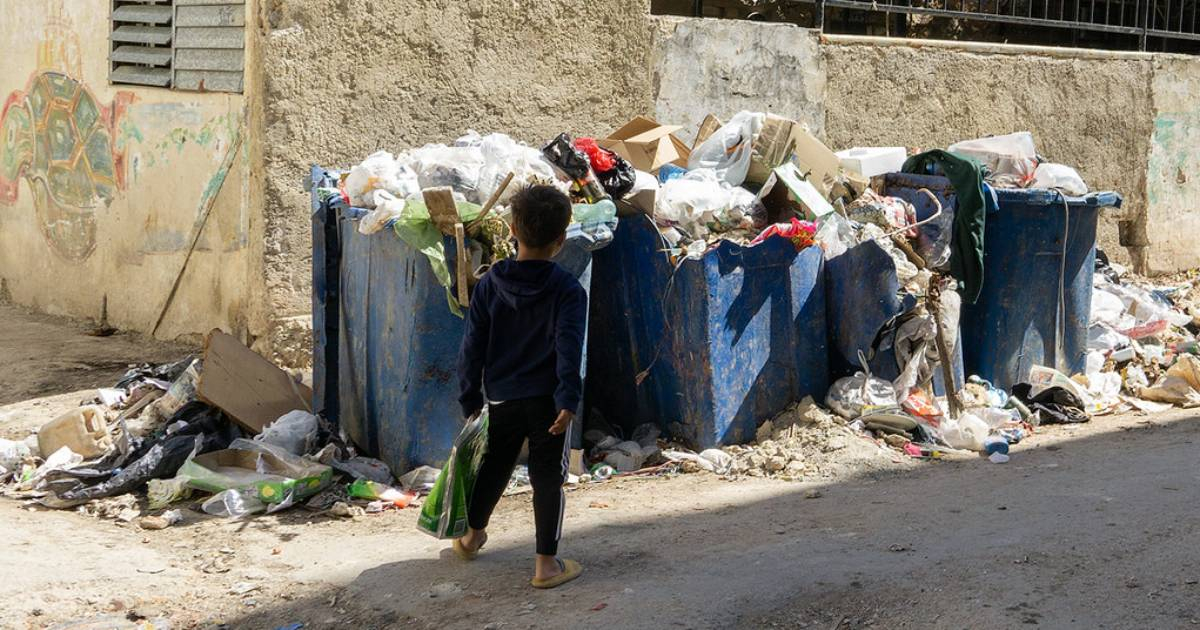
In practice, the crisis is already felt in the daily lives of millions of Cubans. The government has suspended the sale of diesel to the public in an attempt to preserve fuel intended for hospitals and essential transport. Blackouts affect water pumping, paralyze economic activity, and exacerbate food shortages in a country that heavily relies on imports.
In this context, political pressure is mounting within Canada. Leaders of the New Democratic Party and the Bloc Québécois have urged Prime Minister Mark Carney to send immediate aid to Cuba and to take a stronger stance against Washington.
The Foreign Minister, Anita Anand, expressed that she is "deeply concerned" about the worsening situation, although she refrained from confirming whether fuel or additional assistance will be sent.
Although food and medicines are not subject to U.S. sanctions, and in fact the United States announced this month a shipment of six million dollars in humanitarian goods, the supply of oil is another story. An executive order signed by President Donald Trump threatens to impose tariffs on any country that sells or supplies crude oil to Cuba, placing Ottawa in a delicate position.
Meanwhile, the collateral effects are multiplying. More than 27,900 travelers returned from Cuba on Canadian airlines before several suspended flights due to a lack of fuel. Canadian tourism, one of the historical pillars of the Cuban economy, is also beginning to feel the impact, deepening the vicious cycle of falling income and scarcity.
The crisis is already affecting even foreign companies on the island. The Canadian mining company Sherritt, the main foreign partner in the extraction of nickel and cobalt in Moa, announced a temporary suspension of operations due to a lack of fuel.
Filed under: