
Related videos:
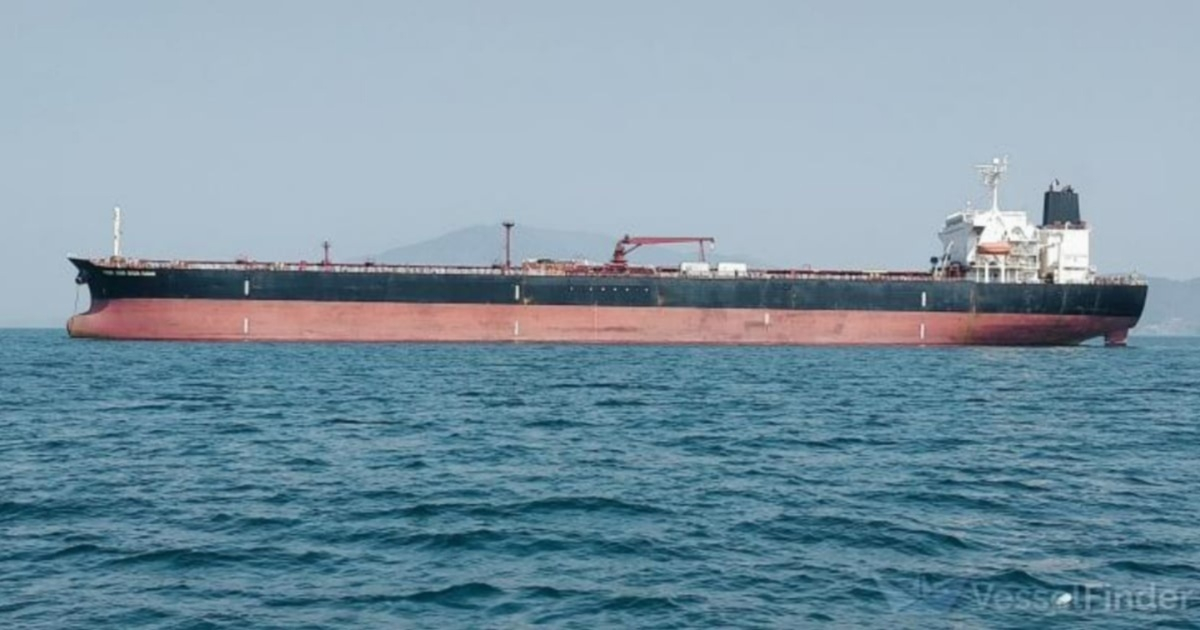
A tanker believed to be transporting Russian fuel destined for Cuba was diverted and left adrift in the North Atlantic, a move that, as noted by Bloomberg, could worsen the shortage on the island, where the lack of fuel is impacting everything from transportation operations to electricity generation and has led to extended blackouts.
The vessel identified as Sea Horse interrupted its journey this Wednesday and is currently adrift in the ocean, according to maritime tracking data referenced in the text.
The report notes that it is likely that the Sea Horse will transport around 200,000 barrels of Russian diesel, according to navigation analysis by Kpler Ltd..
An analyst from that firm had previously identified the cargo after a ship-to-ship transfer off the coast of Cyprus.
The shift in direction occurs as Cuba faces a severe fuel shortage, which affects the supply for domestic use and the operation of essential services.
The available energy on the island is said to have significantly decreased since the beginning of the year, citing satellite images that show a drop of up to 50% in nighttime light levels.
This turn of events occurs in the context of U.S. measures aimed at restricting Cuba's access to imported energy, including the prior seizure of a ship bound for the island and actions that would have discouraged tankers from approaching.
The Sea Horse "was about to test" those U.S. control measures aimed at cutting off Cuba's access to imported fuel.
This would have been the first shipment since February 2025, when Moscow sent 100,000 tons of oil to the island through a state loan of 60 million dollars.
At the beginning of the month, the Ocean Mariner, carrying about 30,000 barrels of Colombian diesel, deviated from Cuba and apparently unloaded in the Bahamas, according to shipping data.
The U.S. coercive measures have already resulted in the seizure of at least 10 vessels accused of transporting sanctioned oil.
In parallel with the pressure, the U.S. eased some restrictions by allowing fuel shipments to the private sector in Cuba as part of a plan for the island to become more dependent on U.S. supplies. Washington has also reportedly indicated a willingness to issue specific licenses for companies interested in supplying Venezuelan oil to Cuba.
The shipment of Russian crude
Last Wednesday, the Russian government called on Washington to show “common sense” and to end the oil blockade that exacerbates the already critical energy crisis in Cuba.
From Moscow, Foreign Minister Sergey Lavrov described any attempt to impose a naval blockade on the island as "unacceptable" and categorically rejected U.S. accusations that Russian-Cuban cooperation poses a threat to the United States.
The statements were made during the official visit to Russia by Cuban Foreign Minister Bruno Rodríguez Parrilla, at a time when Cuba is facing prolonged blackouts and a severe fuel shortage, exacerbated by restrictions on importing crude oil.
During the bilateral meeting, Lavrov stated that, "together with the majority of the members of the international community," Russia urges the United States to "show common sense, adopt a responsible approach, and abandon plans for a naval blockade."
Lavrov emphasized that Russia will continue to support the island "consistently" in protecting its "sovereignty and security."
Filed under: