
Related videos:
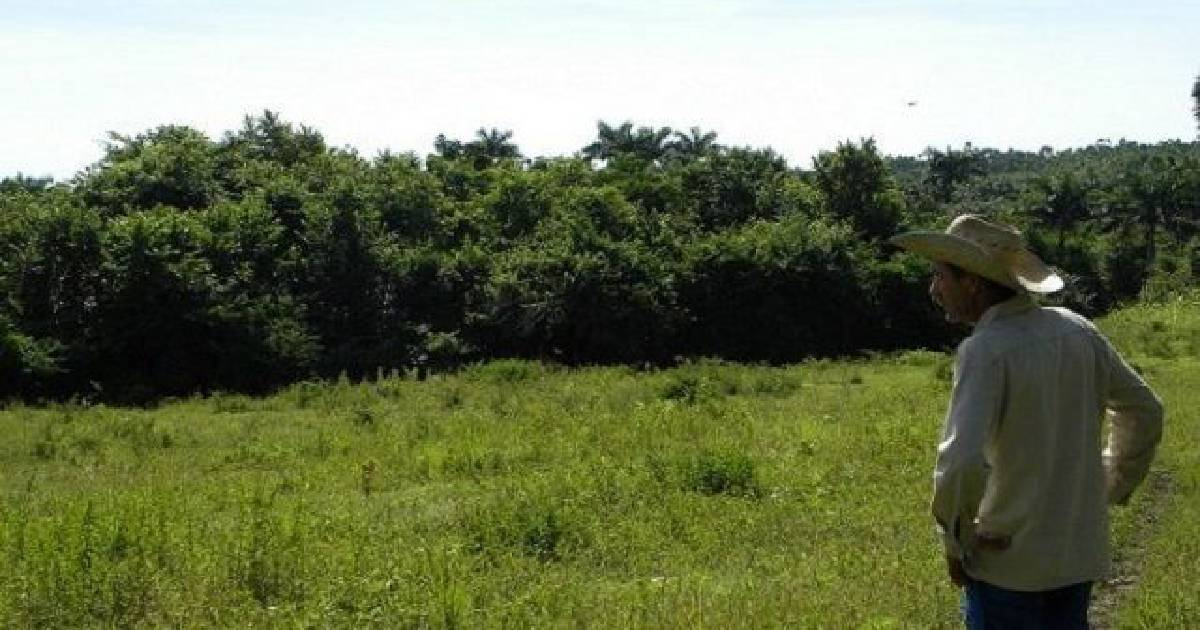
The fuel crisis in Cuba is already having a significant impact on the agricultural sector, and its effects are serious, warned René Orellana, the regional representative of the Food and Agriculture Organization of the United Nations.
In an interview with the agency EFE, the FAO representative for Latin America and the Caribbean stated that the fuel shortage is restricting the use of agricultural machinery, which jeopardizes the harvesting of various crops in different areas of the country.
Orellana noted that several products are at risk of not being harvested properly due to a lack of diesel, which will have direct consequences on the supply.
"The population will not be able to access those foods," warned the specialist, anticipating a worsening in food access, a long-standing issue that the regime has not managed to resolve, despite the fact that the FAO has previously donated money.
The official explained that, in light of this situation, the FAO and other United Nations agencies are promoting a transition to renewable energy sources with the aim of reducing dependence on hydrocarbons.
Among the alternatives, she mentioned the installation of new irrigation systems and small-scale photovoltaic and hydroelectric plants, particularly aimed at supporting small family production.
The energy crisis has worsened following the halt of oil supplies from Venezuela, which was one of the island's main hydrocarbon suppliers.
The interruption occurred after an international pressure campaign that culminated in January with the capture of Venezuelan dictator Nicolás Maduro during a U.S. military operation.
Mexico, another country that had sent crude oil to Cuba, also suspended supplies amid trade tensions with the United States, whose President Donald Trump has threatened to impose tariffs on nations that supply oil to the Cuban government.
The combination of these factors forced the island's authorities to implement extreme fuel rationing measures, which have affected not only agricultural production but also the transportation of food to markets, in a context of increasing food insecurity.
In this regard, 80% of Cubans view the current crisis as more severe than the Special Period due to the sustained rise in prices, the partial dollarization of the economy, and the decline in agricultural production.
These factors, combined with a high dependence on food imports, have exacerbated the economic and social situation on the island.
Filed under: