
Related videos:
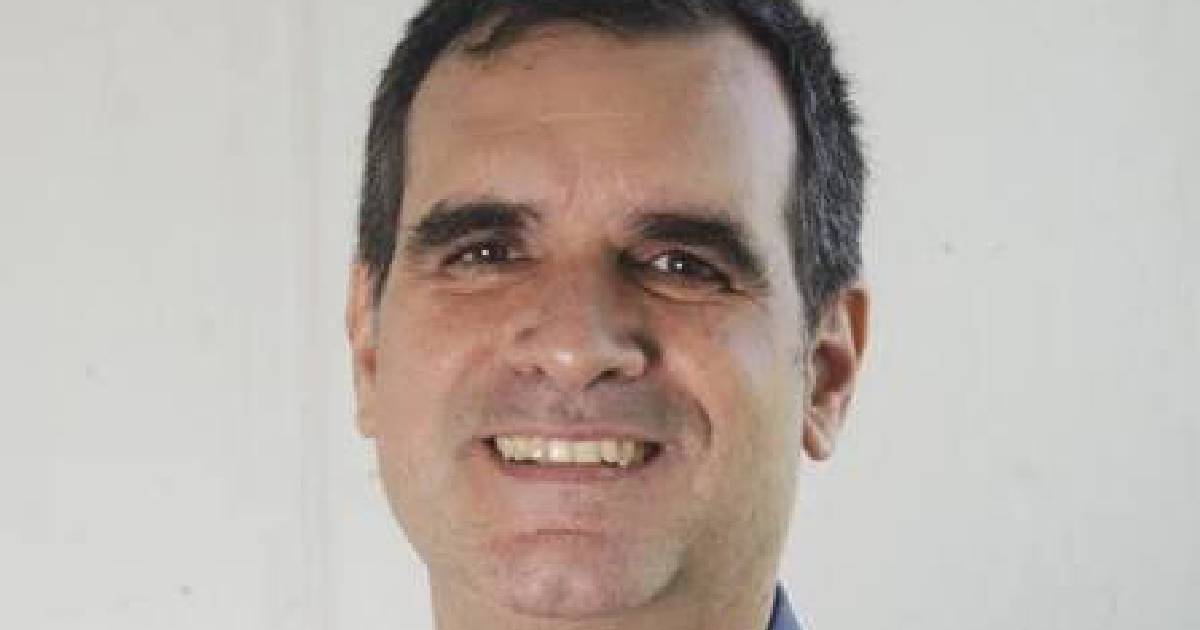
Professor Abel Tablada de la Torre, architect and tenured professor at the Faculty of Architecture of CUJAE (Technological University of Havana), was dismissed from the institution after publishing critical reflections on Facebook regarding the country's situation and the Cuban university system.
The information was shared by the activist Magdiel Jorge Castro, who claimed to have received a screenshot of a WhatsApp message in which the teacher himself said goodbye to his students.
In that text, Tablada stated that some reflections shared on his personal wall "had not been to the liking of the university administration."
According to the activist, the expulsion has created "heated emotions" among students at the Faculty of Architecture.
Among the highlighted publications are two texts: one about Etecsa's funds in 2025 and the second, more recent, titled “The University and Resilience,” dated February 2 of this year.
In that document, Tablada described the difficult conditions under which Cuban universities operate: power outages, transportation issues, low teacher salaries—estimated between 10 and 15 dollars a month—and material shortages for both professors and students.
"Excessive resilience can lead to accepting as normal conditions that should not be prolonged over time," wrote the academic, who warned about the deterioration in the preparation of new students and the loss of equity in access to and retention in higher education.
Although the professor also mentioned the impact of U.S. sanctions, he insisted on the need for a sincere national debate, with a diversity of opinions and genuine participation from citizens to define the country's future.
"The worst of solutions is to pretend that nothing is happening," he pointed out in his text, where he advocated for deep changes without foreign interference and with the active participation of the Cuban people.
Abel Tablada is the brother of Johana Tablada, a high-ranking official of the Cuban regime, who for years has denied the existence of political repression on the Island and who currently holds, along with her husband, one of the key diplomatic responsibilities of Castroism at the Cuban Embassy in Mexico.
The expulsion of the professor has sparked discussions on social media due to the contradiction of a direct relative of an official figure being penalized for expressing critical opinions.
The case brings back to the forefront the debate on freedom of expression within Cuban universities and the real latitude that academics have to question the political and economic direction of the country—even from positions that are not aligned with traditional opposition.
Filed under: