
Related videos:
In the Cuba of official discourse, presidential appearances not only inform, but also "are included in the narrative of resistance" and become pages of "collective glory."
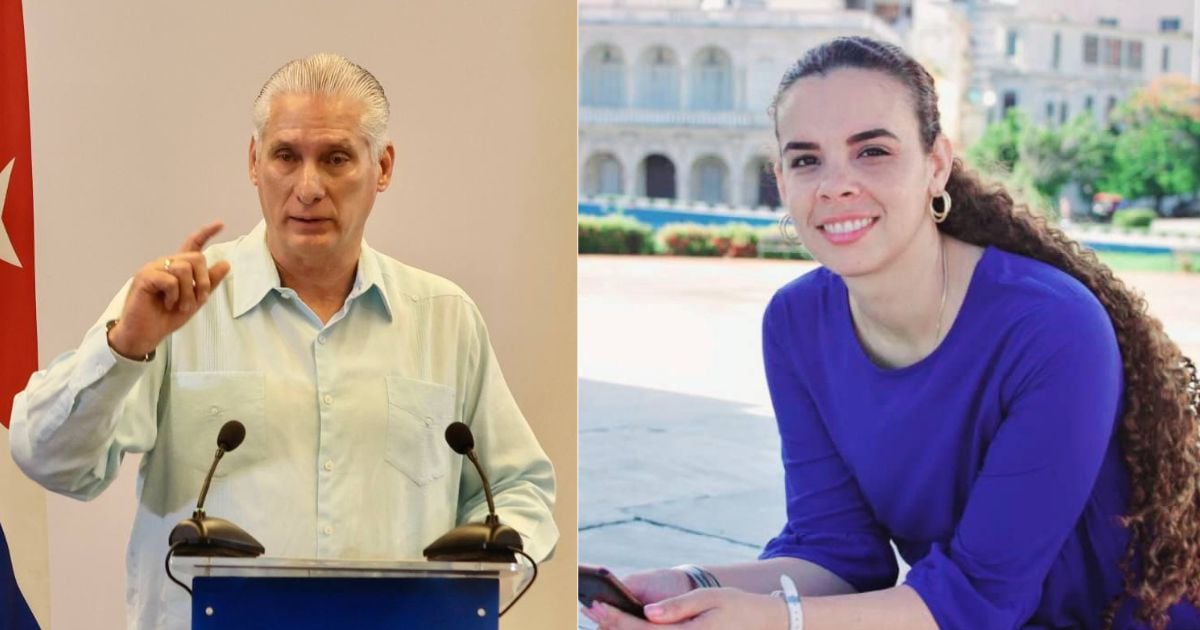
At least this is how the first secretary of the Union of Young Communists (UJC), Meyvis Estévez described it on Facebook, as she chose to share with her followers an enthusiastic and honeyed reading of President Miguel Díaz-Canel's recent address.
From his perspective, Díaz-Canel's speech was an example of "transparency" and a reminder that building the country is a task for "everyone." According to Estévez, the president explained "the complexities of the energy blockade" and reaffirmed sovereignty as an unrenounceable right, a message that—he assured—reinforces the "commitment" of young people.
The publication was accompanied by the usual slogans and the optimism characteristic of the bureaucratic narrative from the island's political leaders: a committed youth, a brave people, and a nation that, informed and united, continues to build "the Cuba we deserve."
The problem is that, as often happens in the age of the internet, whenever comments are not restricted, forum users can give a different twist to the story.
Disregarding the few cyber fighters who rushed to use the usual hashtags—#CubaEstáFirme, #CubaVencerá, or #UJCdeCuba—and reaffirmed their support for the "statesman," the youth leader, and the political project, the general tone of the debate quickly shifted to a less enthusiastic register.
Direct criticisms emerged regarding the hesitant "diazcanélico" speech, questioning the supposed "transparency" that, for instance, led him to admit to conversations with the United States, which everyone was aware of but which he denied until hours before speaking; and others that rightly mocked the vast gap between political slogans and everyday life in the country.
Several users openly expressed their rejection of the government with messages like: “Down with the dictatorship,” “Homeland and Life,” or calls for a “free Cuba.” The sarcasm and fatigue also surfaced, because, where are we headed with the narrative about resistance when the people can no longer endure even a minute?
What commitments do you see from young people, Secretary of the UJC, when the young Cuban mass, frustrated by the lack of freedoms and development opportunities, has emigrated to the four corners of the planet?
What collective glory is involved in enduring more than 30 hours without power, going to work without transportation, having a monthly salary that barely covers three or four days of inadequate meals, and, during the few moments of available electricity, seeing the president on national television asking for more "creative resilience"?
Is it possible that Meyvis, so generous with her political boss, the
Is it possible that when he spoke of “not being spectators, but active protagonists,” he was referring to the youth of Morón who set fire to the symbols and furniture of the PCC? Or was he thinking of the others, who have been banging
Surely, the first secretary was speaking about the young political prisoners who were hit with overwhelming sentences of 12, 15, 18, and even 25 years for going out to demand freedom, healthcare, and food on July 11 and 12, 2021...
The script of the smiling and disciplined "leader" seems to have omitted the actual movie that her commentators set up for her.
“The Cuba we deserve,” he said. Here we go, but through other paths.
Filed under: