
Related videos:
The Cuban regime reacted on Tuesday with a confrontational discourse to the recent statements made by the President of the United States, Donald Trump, and Secretary of State Marco Rubio, amidst a backdrop marked by tensions, discreet contacts, and an increasingly acute internal crisis on the island.
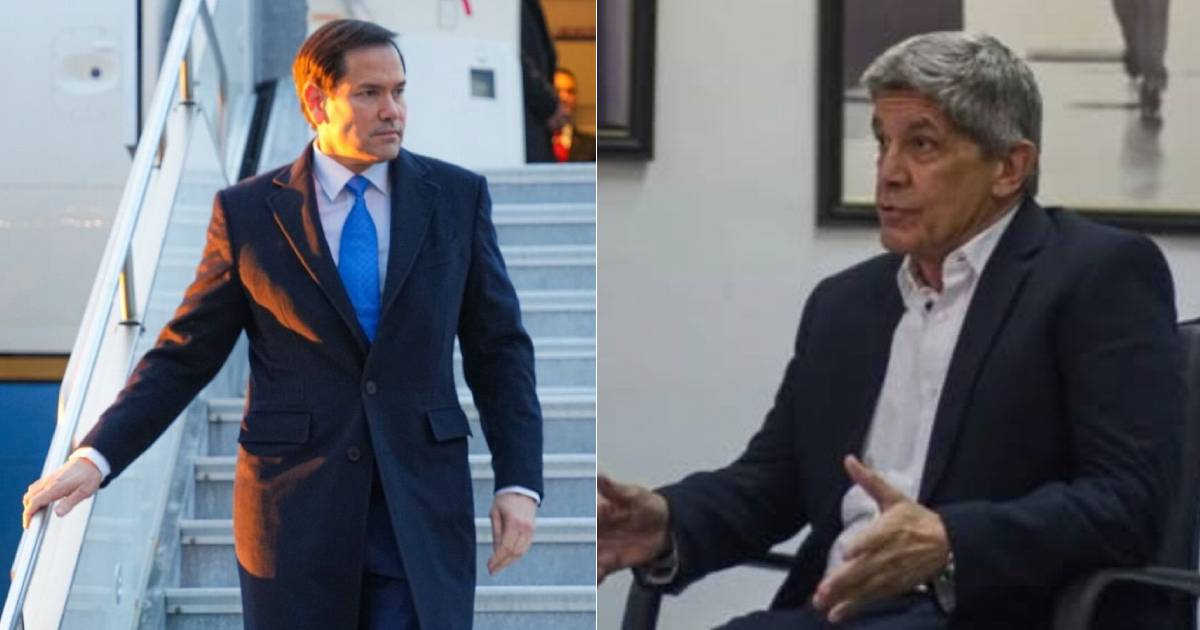
The Deputy Minister of Foreign Affairs, Carlos Fernández de Cossío, was one of the first to respond publicly. Through the social media platform X, he accused Washington of waging a “ruthless economic war” against Cuba and using it as a pretext to justify greater threats.
"The U.S. government maintains a relentless economic war that denies Cuba access to financing, markets, technology, and fuels, yet accuses the country of mismanaging its economy and seizes that pretext to threaten military aggression and the ambition to take over," wrote the official.
His words come just hours after Marco Rubio sharply criticized the Cuban system from the Oval Office. The head of U.S. diplomacy was blunt in stating that “the bottom line is that their economy does not work” and argued that the island's problem is structural, a result of decades of dependence on external subsidies.
Rubio went further by directly questioning the current leadership. He stated that those in charge “do not know how to fix it” and advocated for the need for a profound change at the top of power: “They need to put new people in charge”.
Meanwhile, Donald Trump heightened the political tone by
The context of these statements is particularly sensitive. Cuba is experiencing an unprecedented economic and energy crisis, worsened by the interruption of Venezuelan oil supplies. The lack of fuel has led to widespread blackouts, shortages, and increasing social unrest within the country.
While Washington presses for demands that would include changes in Cuba's political leadership as a condition for advancing any agreement, the regime is attempting to project a narrative of resistance against what it views as a hostile policy from the United States.
However, the contrast between both discourses reflects a more complex reality: contacts that the Cuban government itself denied for months, economic reforms that are considered insufficient from Washington, and a population that continues to bear the direct weight of the crisis.
On that stage, public statements seem to be merely the visible tip of a much deeper negotiation, the outcome of which could shape the immediate future for millions of Cubans both on the island and abroad.
Filed under: