
Related videos:
The administration of President Donald Trump has begun to lay the groundwork for potential negotiations with Iran after several weeks of conflict, alongside a military offensive that has not yet concluded and may continue for an extended period.
According to Axios, U.S. officials and sources close to the conversations have confirmed that there are already preliminary discussions about what a potential dialogue process would look like, although for now there have been no recent direct contacts between Washington and Tehran.
Trump himself has left the door open for a diplomatic exit, although without accepting key conditions put forth by Iran, such as an immediate ceasefire or compensations.
Meanwhile, their advisors are working to define the terms that could govern a future negotiation.
Among the demands from the United States would be the elimination of Iran's nuclear program, restrictions on its missile development, and an end to support for allied groups in the region—conditions that Tehran has previously rejected.
In parallel, countries like Qatar, Egypt, and the United Kingdom have acted as intermediaries, conveying messages between both parties in an effort to bridge their positions, although the differences remain significant.
The Trump team is also discussing who would be the valid interlocutor from the Iranian side and which country could play the role of mediator if the talks progress.
The movement suggests that Washington seeks to combine military pressure with a possible negotiated exit, at a time when the conflict has heightened tension in the region and has affected strategic points such as the Strait of Hormuz.
This shift raises questions about the next phase of U.S. foreign policy, particularly concerning other countries seen as adversaries, in an international context characterized by tensions and geopolitical realignments.
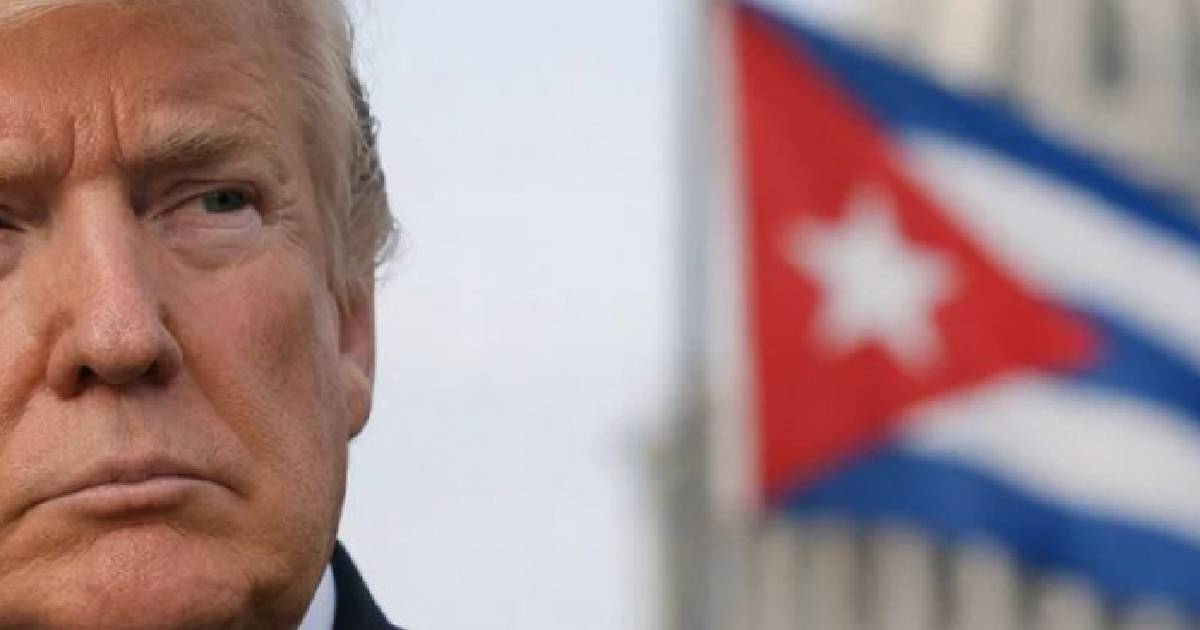
A week ago, Trump stated that his administration is in discussions with Cuba, although he emphasized that his government would first focus on the situation with Iran before fully addressing the case of the island.
During statements to the press, the president explained that Washington was already in dialogue with Havana, but he made it clear that other international matters currently take precedence on the agenda.
“We are talking to Cuba, but we will take care of Iran before Cuba,” said Trump.
The president also stated that he expects progress regarding the island in the near future and emphasized that many Cubans in exile have waited for decades for changes in their country.
Filed under: