
Related videos:
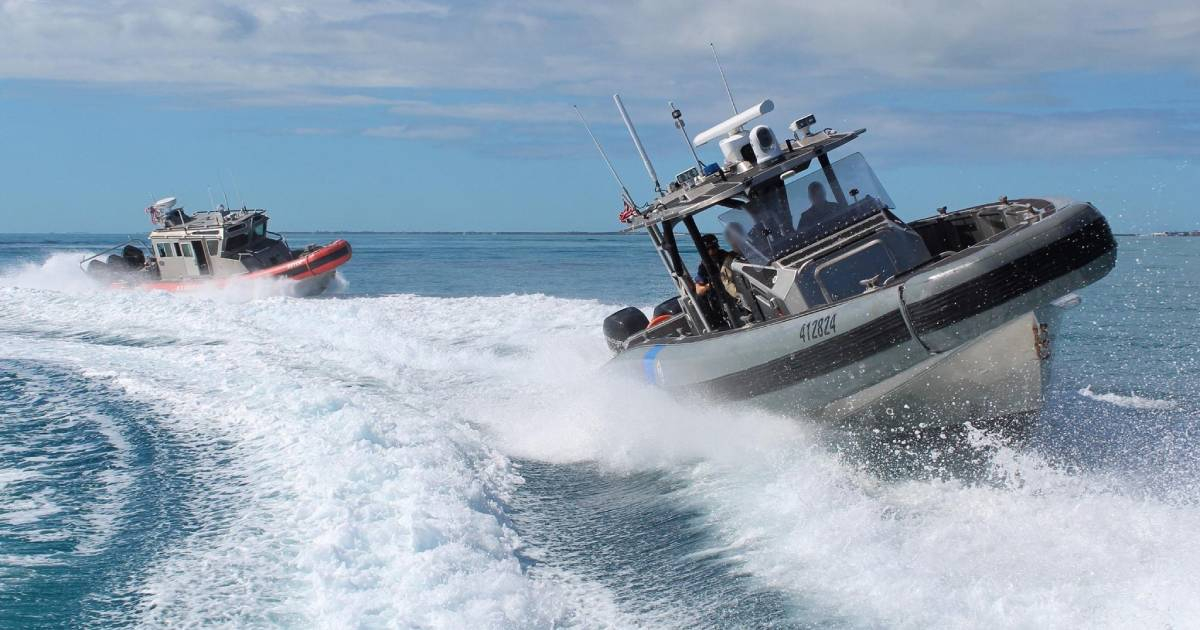
The fear of a new mass exodus from Cuba has gained strength following the message recently published by the U.S. Coast Guard.
In X, the entity stated that illegally entering Cuban waters and then attempting to reach U.S. territory is not only illegal but will also result in detention and repatriation.
"The individuals attempting to enter the United States illegally by sea will be detained and returned to their country of origin or the place from where they departed," the institution stated.
The warning comes at a particularly sensitive moment for Cubans, both on the island and abroad. Growing social, political, and economic tensions have rekindled discussions—and fears—about the possibility of another migration crisis similar to those experienced in past decades.
According to NBC Miami, the issue is already being discussed at the highest levels of the U.S. government. During a Senate hearing, Republican Senator Thomas Cotton openly raised concerns about whether the United States is prepared for a potential "humanitarian crisis in Cuba" that could trigger a massive influx of refugees.
The response from General Francis L. Donovan, head of Southern Command, confirms that this scenario is not ruled out. He stated that there is an order to support the Department of Homeland Security in the event of a mass migration, which would include operations at the Guantanamo naval base to process migrants.
NBC Miami reminds us that such statements resonate strongly in the collective memory of Cubans. Since 1959, the island has experienced several waves of migration that have marked entire generations: Camarioca, Mariel, the balseros crisis.
Today, the exodus that began in 2022 is now considered the largest in recent history, with hundreds of thousands of Cubans leaving the country.
However, not everyone agrees that a new maritime exodus is imminent. Some voices from the exile community believe that these warnings are more a reflection of political tensions than of a real capacity for mass departure from the island.
In parallel, another element adds tension to the situation: a recent incident reported by the Cuban government, in which armed men reportedly arrived by sea from Florida and opened fire on forces on the northern coast. Although the case has not been clarified, it contributes to raising the alert level on both sides of the strait.
Meanwhile, for thousands of Cubans facing power outages, scarcity, and a lack of opportunities, uncertainty revolves around the same question that has shaped the country's recent history: to stay or to try to leave, despite all the risks.
Filed under: