
Related videos:
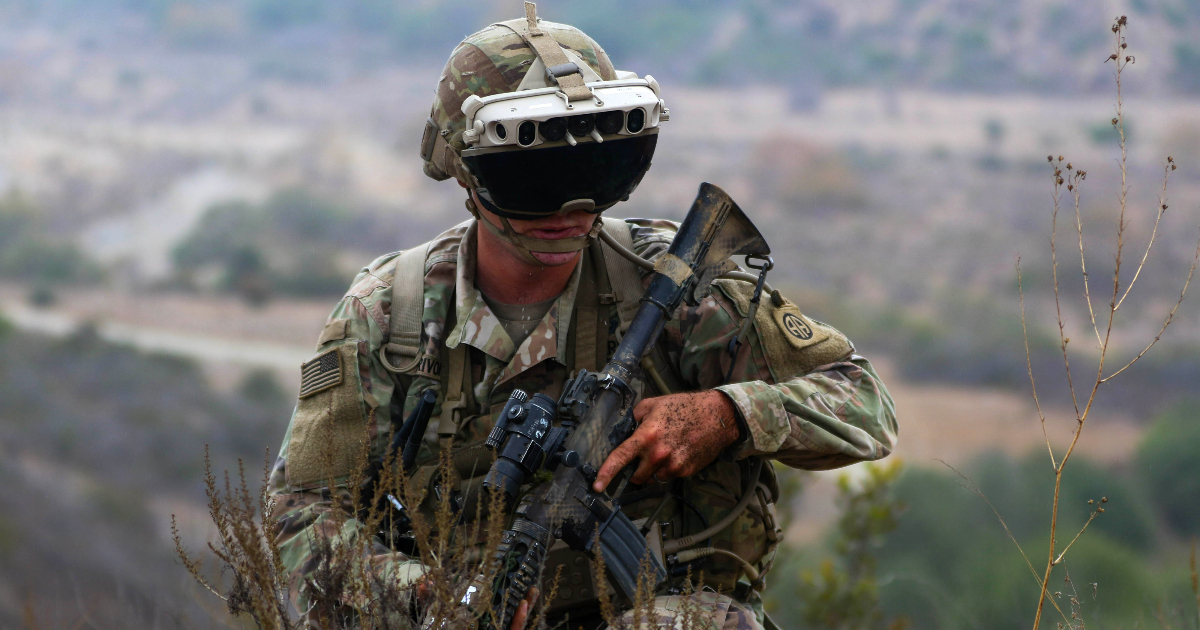
The Pentagon confirmed this Wednesday the deployment of elements from the 82nd Airborne Division to the Central Command (CENTCOM) Area of Responsibility in the Middle East.
The movement includes the division's headquarters, support units, and the 1st Combat Brigade (1BCT), which is the core of the United States Immediate Response Force. Fox News confirmed the deployment through a Department of War official.
"We can confirm that elements from the headquarters of the 82nd Airborne Division, some division enablers, and the 1st BCT will be deployed to the CENTCOM Area of Responsibility. For operational security reasons, we do not have any additional information to provide at this time," he specified.
The deployment follows the Pentagon's dispatch of the division's command element to the Middle East this Tuesday. It is estimated that between 1,000 and 3,000 soldiers will be sent to the region, including the division commander, Brigadier General Brandon Tegtmeier.
The 1BCT is a force of approximately 3,000 personnel capable of deploying to any point in the world within 18 hours and is designed for forced entry operations and the capture of hostile territory.
Moreover, U.S. media outlets like The Washington Post and The New York Times indicate that the deployment could provide the administration of Donald Trump with new military action options, including the possibility of taking the island of Kharg, Iran's main oil export hub in the Persian Gulf.
Although the Pentagon has not specified the exact destination of the troops, the movement coincides with conflicting reports regarding potential negotiations: while Washington speaks of indirect contacts, Tehran denies any direct conversations, although it acknowledges having received messages through third countries.
In parallel, a recent survey by Reuters/Ipsos shows reluctance within the United States, with 55% of citizens opposed to deploying troops in Iran.
This movement is situated within the armed conflict between the United States and Iran that began on February 28 with the Epic Fury Operation, a coordinated attack with Israel that, in its first 12 hours, carried out nearly 900 airstrikes against Iranian military infrastructure, air defenses, nuclear facilities, and the regime's leadership, including the Supreme Leader Ali Khamenei.
Washington reports over 9,000 targets destroyed and the near elimination of the Iranian navy and air force in nearly four weeks of conflict.
Iran responded with Operation True Promise 4, launching more than 500 missiles and 2,000 drones against Israel and 27 U.S. bases in Qatar, Bahrain, Kuwait, the United Arab Emirates, Jordan, Saudi Arabia, and Iraq.
The toll for the United States rises to six soldiers dead, four of whom were in Kuwait on March 1 due to Iranian drone attacks. Tehran reports 787 dead and 500 facilities damaged.
With this new deployment, the total presence of U.S. troops in the region reaches between 50,000 and 58,000 personnel, the largest contingent since the invasion of Iraq in 2003.
Since the onset of the conflict, Iran has maintained an effective blockade of the Strait of Hormuz that impacts 20% of the world's oil and liquefied natural gas supply, and by March 12, it had resulted in 21 attacks on merchant vessels.
In diplomatic terms, the Trump administration presented a 15-point peace proposal to Iran through Pakistan, which Tehran publicly rejected. A senior U.S. official described the Iranian counter-demands as "ridiculous and unrealistic."
Trump postponed his ultimatum to attack Iran's energy infrastructure after what he described as "positive and productive discussions," although he warned that the deadline for reaching an agreement is four days.
Filed under: