
Related videos:
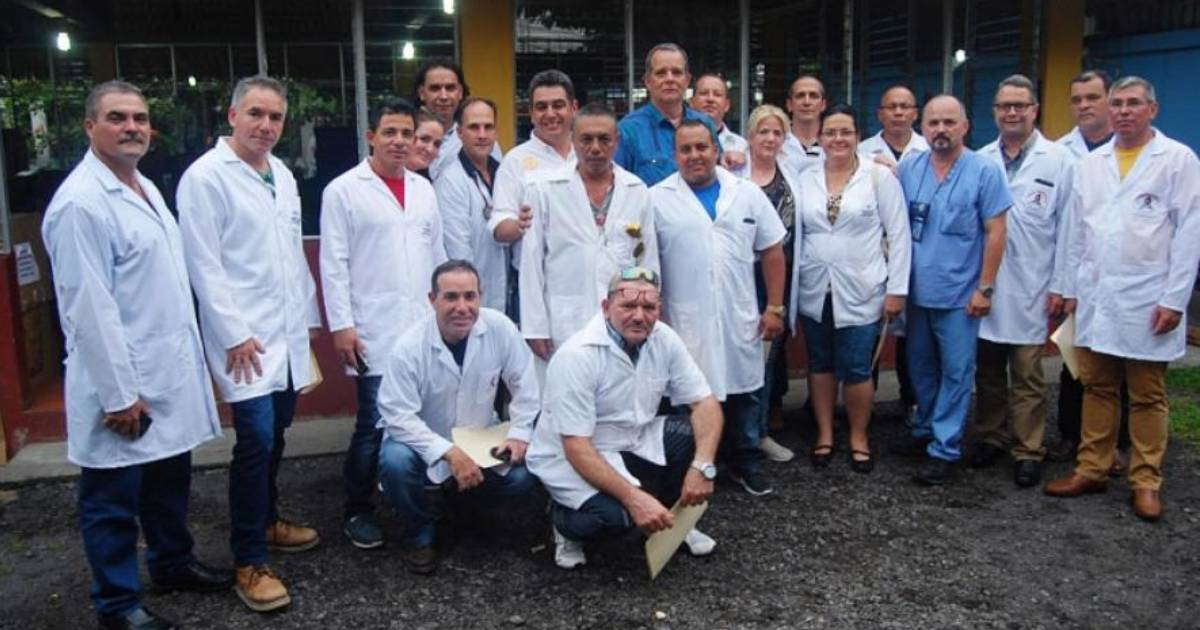
Guatemalan authorities are investigating more than 60 complaints against Cuban citizens who allegedly practiced as doctors without valid degrees or meeting legal requirements, in a case that calls into question the controversial presence of health brigades sent by the Havana regime.
According to a report from the Guatemalan newspaper Prensa Libre, the Public Ministry (MP) confirmed that the accusations include crimes such as impersonation of professional qualifications, failure to meet legal requirements, and potential risks to public safety.
The Secretary General of the MP, Ángel Arnoldo Pineda, warned that some of those investigated did not have the necessary training to practice medicine. “It would be extremely regrettable if individuals were attending to patients without having the professional capacity to do so,” he stated, as reported by Prensa Libre.
The investigations also seek to determine how many of the brigade members were actually doctors. According to the allegations under investigation, only between 20% and 30% of the Cubans sent to the country would have medical training, while the rest would have performed duties without valid credentials.
The case has raised alarms in Guatemala, not only due to the potential professional fraud but also because of its implications for the country's security and sovereignty. Authorities have even requested support from agencies in the United States to further the investigations, given indications that similar situations could be occurring in other countries in the region.
The reports coincide with a moment of changes in Guatemalan politics regarding Cuban medical missions. Starting in January 2026, the government decided not to progressively renew the contracts of these brigadistas, which will mark the gradual dismantling of their presence in the country.
For decades, Cuban doctors have filled positions in rural and hard-to-reach areas, but their presence has been surrounded by questions regarding working conditions, the lack of transparency in agreements, and the control exercised by the Cuban state over professionals.
Now, this scandal adds a new element of concern: the possibility that patients may have been treated by individuals without adequate training, in an already vulnerable healthcare system.
For many Cubans both on and off the island, the case revives a familiar debate: the use of medical missions as a political and economic tool of the regime, even at the expense of the quality of care and the fate of those sent abroad.
Filed under: